How Medical Knowledge Elevates the Art of Aesthetic Procedures
.png)
Julia Buliga
December 8, 2025
Medical aesthetics is a specialized medical field focused on enhancing physical appearance through evidence-based cosmetic procedures. These treatments, such as injectables (Botox, dermal fillers), laser therapies, and chemical peels, are performed under the supervision of trained healthcare professionals. The field blends advanced technology and pharmaceutical-grade products to create safe, lasting, and natural-looking results for a wide range of concerns including aging signs, acne scars, and unwanted hair.
This discipline skillfully combines scientific knowledge with an artistic approach. Practitioners require a detailed understanding of facial anatomy and skin physiology, as well as an artistic vision to ensure symmetry and harmony in outcomes. This fusion allows for personalized treatment plans tailored to individual patient features and aesthetic goals, resulting in enhanced self-esteem and psychological well-being.
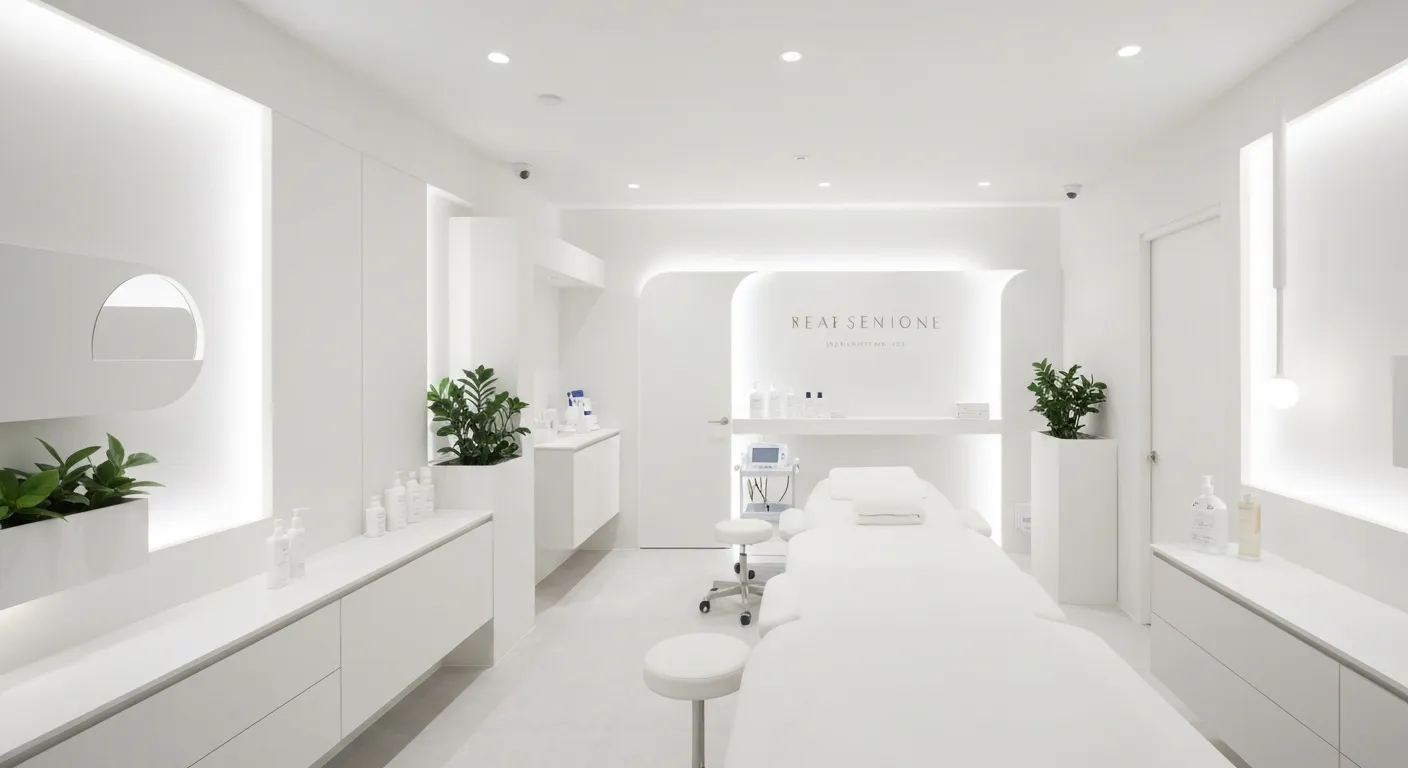
Medical expertise is crucial to safeguard patient safety and optimize treatment outcomes. Licensed medical professionals undergo rigorous training to master injection techniques, recognize potential complications, and maintain sterile environments. Proper medical oversight ensures use of FDA-approved products, thorough patient assessment, and adherence to protocols. This professional approach minimizes risks such as adverse reactions and promotes long-term satisfaction with aesthetic enhancements.

Understanding facial anatomy knowledge for injectables is fundamental for aesthetic practitioners to ensure safety and effectiveness during treatments. Precise knowledge of muscles, blood vessels, and injection planes helps avoid adverse events such as bruising, nerve injury, or vascular occlusion that can occur with incorrect placement of injectables like Injectable treatments: Botox and dermal fillers. Mastery of anatomy also supports achieving natural, harmonious results by accurately targeting treatment areas.
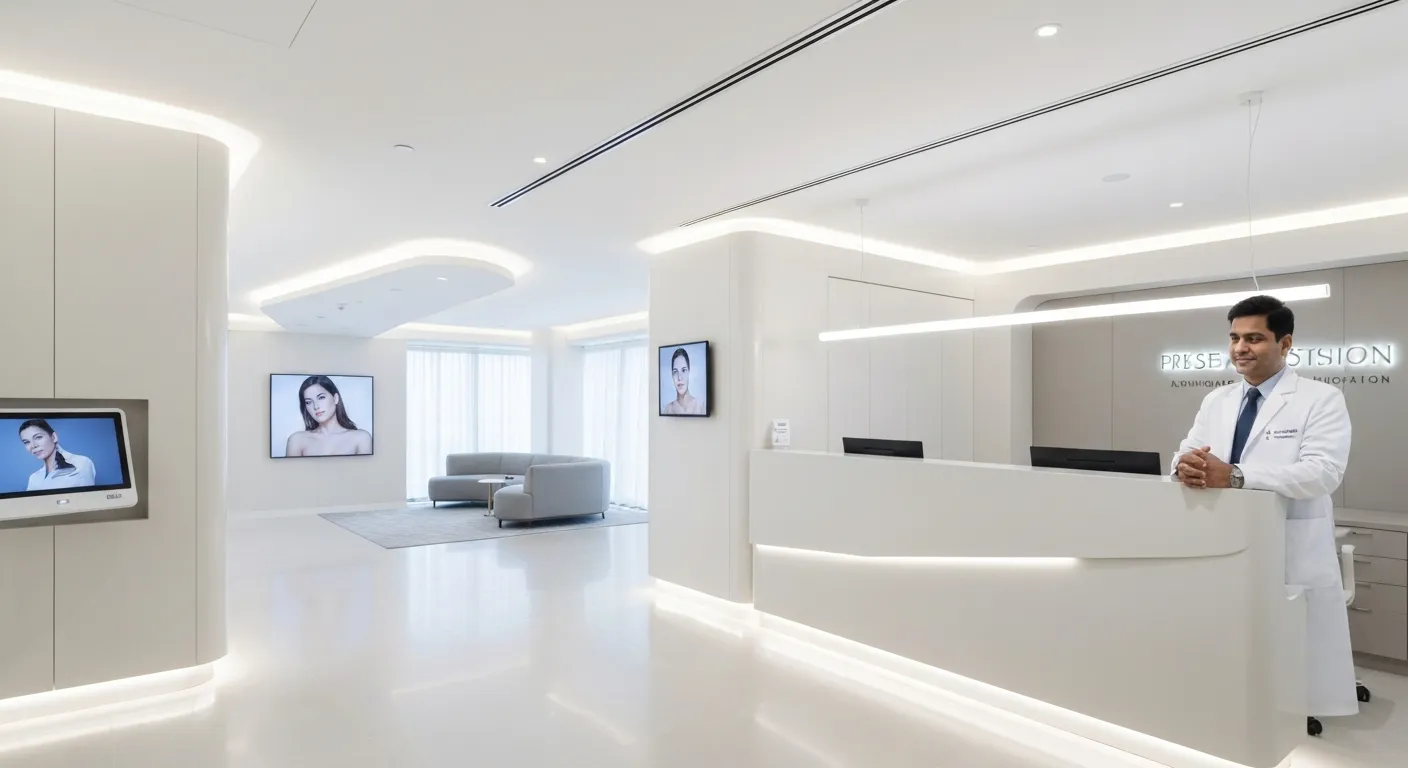
Licensed medical professionals, such as dermatologists, plastic surgeons, and trained nurse practitioners, play a key role in overseeing aesthetic procedures. Their extensive training includes comprehensive education in Facial anatomy expertise and injection techniques. Professionals carry out thorough patient assessments, tailor treatments to individual anatomy, and monitor for any complications. Treatments performed by unlicensed or undertrained individuals increase the risk of adverse effects significantly.
Avoidance of complications relies on expertise and adherence to medical protocols. Practitioners require advanced training to administer injectables safely, such as knowing Recommended Botox units and injection sites, and recognizing signs of adverse reactions. Sterile procedures minimize infection risks, and high-quality FDA-approved medical-grade products reduce the chance of allergic responses or poor outcomes. Ongoing education and experience equip practitioners to handle emergencies promptly.
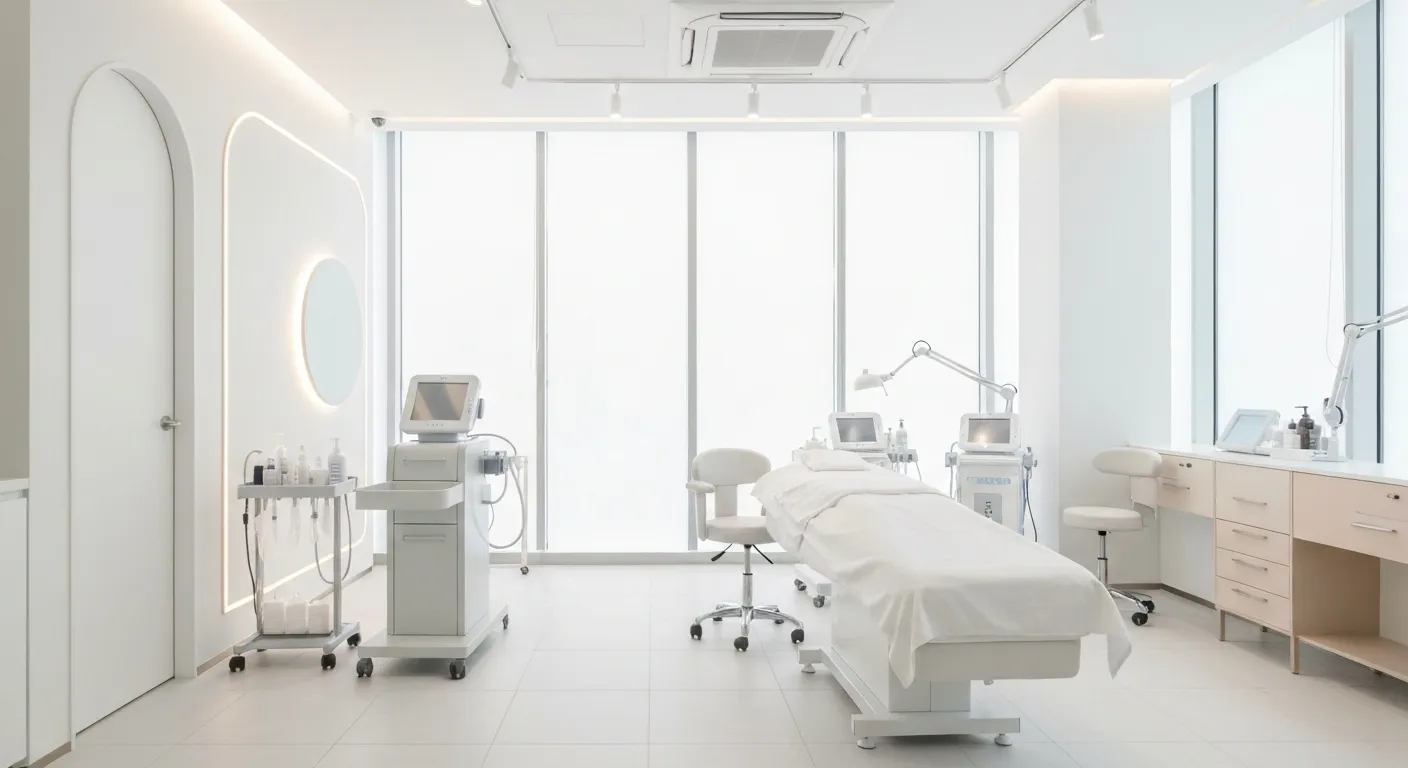
Using FDA-approved medical-grade products ensures reliability and safety in aesthetic treatments. These products are manufactured to high standards and have undergone rigorous testing. Procedural environments must maintain sterility through practices like sterilizing instruments, using disposable materials, and disinfecting treatment areas. Such standards decrease infection risk and promote effective, long-lasting results, contributing to overall patient safety.
Medical aesthetics overview begins with a thorough patient assessment, where Licensed medical aesthetics professionals gather detailed history and examine skin type, facial anatomy, and aesthetic concerns. This step ensures treatments are tailored to individual needs.
Based on the comprehensive evaluation, practitioners create customized treatment plans. These strategies consider patient goals, facial symmetry, skin health, and involve a combination of procedures such as Injectable treatments: Botox and dermal fillers, chemical peels, or laser therapies for optimal natural results.
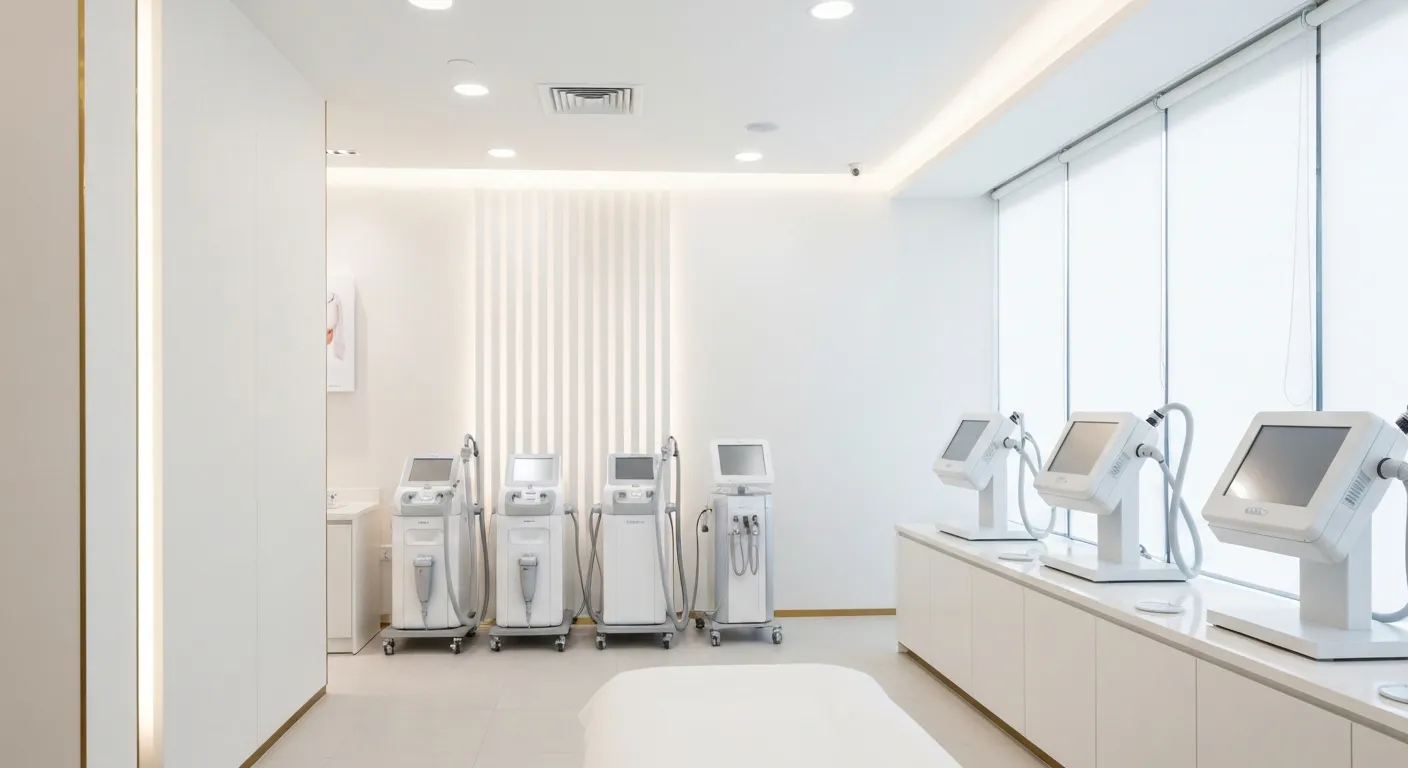
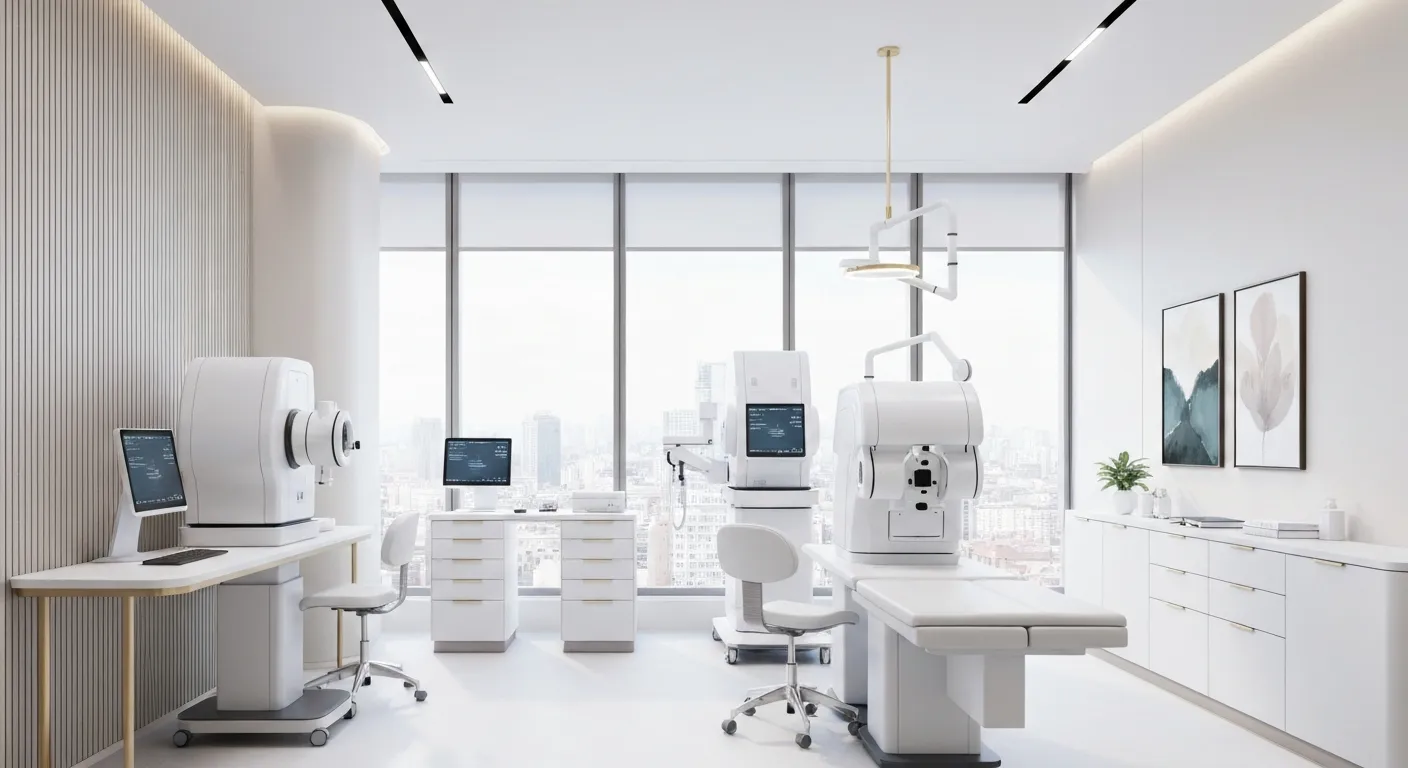
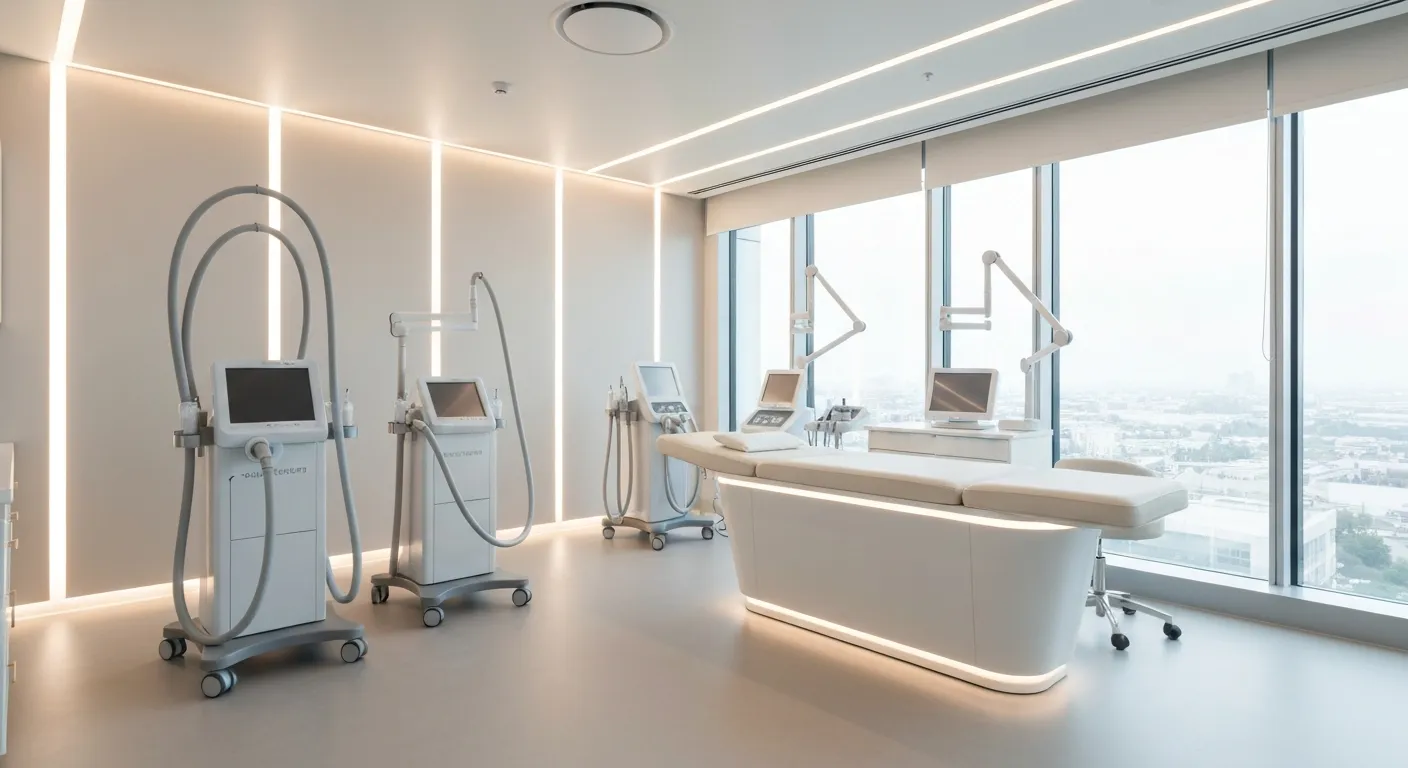
Advanced technology and pharmaceutical-grade products underpin treatment plans in Medical aesthetics overview. Techniques stimulate biological processes like collagen regeneration and neuromuscular modulation. Professionals utilize FDA-approved aesthetic devices and scientific approaches to achieve lasting, safe enhancements.
A key part of personalized care involves identifying potential risks, contraindications, and setting realistic outcomes. Medical supervision in aesthetics reduces complications by enforcing Sterilization protocols in procedures and continuous patient monitoring, ensuring safety and satisfaction throughout the treatment journey.
Medical aesthetics overview relies heavily on using FDA-approved aesthetic devices and pharmaceutical-grade products in treatments to ensure safety and effectiveness in cosmetic medical procedures. These high-quality materials provide concentrated active ingredients, enabling treatments for acne scarring and melasma, addressing sun damage and aging signs. The use of medical-grade skin treatments also supports long-lasting aesthetic enhancements and natural-looking results while minimizing risks.
Laser therapy and skin flexibility is a prominent modality in medical aesthetics, targeting water molecules in the skin to induce thermal necrosis and stimulate collagen remodeling. Advanced light-based treatments such as photobiomodulation benefits and photodynamic therapy mechanisms use specific wavelengths of light to promote healing, reduce inflammation, and support tissue regeneration. These therapies improve skin texture, reduce wrinkles, and fight hypertrophic scars through scientifically guided mechanisms.
Injectable treatments: Botox and dermal fillers play a vital role in facial rejuvenation. These procedures necessitate extensive knowledge of facial anatomy knowledge for treatments and injection planes to relax muscles or restore volume safely and effectively. Neuromuscular modulation through Botox smooths dynamic wrinkles by relaxing targeted muscles, while dermal fillers restore contours, address asymmetries, and enhance facial harmony. Expert practitioners tailor injections to individual features, achieving natural and symmetrical enhancements.
The fast-evolving nature of medical aesthetics overview demands continuous education for practitioners. Staying current with the latest developments in advancements in laser technology, injectable products, skin analysis techniques, and personalized treatment plans is essential. Education through accredited courses, professional conferences, webinars, and peer interactions ensures that medical aesthetic professionals maintain high standards of care, incorporate innovative techniques, and uphold patient safety.
Successful medical aestheticians must blend their medical training with a strong artistic vision for natural results. This skill enables them to enhance a patient's natural beauty by understanding the unique characteristics of facial shapes and contours.
A deep knowledge of facial symmetry is crucial for achieving balanced outcomes. Practitioners also consider how light interacts with facial features to ensure treatments highlight natural angles and shadows, creating a harmonious appearance.
The ultimate goal of aesthetic medicine overview is to produce results that look natural and flattering rather than artificial. Precision in procedures, combined with an artistic approach, helps avoid overdone or harsh outcomes, leading to greater patient satisfaction.
Effective communication with patients is essential. Discussing desired outcomes, explaining realistic expectations, and building trust ensures personalized treatment plans and helps manage expectations, which is key to lasting satisfaction.
Effective medical aesthetics overview relies heavily on ongoing care after initial treatment. Licensed professionals provide personalized follow-up to monitor progress and address any concerns. This proactive approach helps maintain and enhance treatment results over time, ensuring patients receive sustained benefits.
Medical oversight is crucial for handling complications that may arise during or after aesthetic procedures. Trained practitioners possess detailed knowledge of facial anatomy expertise and are equipped to promptly recognize and manage adverse effects, minimizing risks and promoting patient safety.
Medical aesthetics not only delivers physical improvements but also significantly boosts self-confidence and emotional well-being. Safe, professionally supervised treatments contribute to enhanced self-image and reduced stress, adding holistic value beyond appearance.
Choosing a licensed medical professional ensures the use of FDA-approved medical-grade products and adherence to strict sterilization protocols. This fosters trust and reassurance, highlighting the importance of safety and ethics to patient satisfaction and long-lasting outcomes.
Embracing the harmony of art and science in medical aesthetics promises a future where beauty and health unite seamlessly to offer transformative experiences.
Where real stories, expert insights, and little self-care secrets come together. A calm corner of the internet made for anyone who wants to feel good in their own skin - not just look good.
.jpg)
Beyond serums and lasers lies something quieter: the ritual of caring for yourself without guilt. This article explores why self-care routines matter just as much as any in-clinic procedure. Readers discover how consistent, simple choices — water, rest, boundary-setting, nourishing skin rituals — can keep results.

.jpg)
Not every treatment is about transformation — many are about returning to your natural expression. Here we break down the subtle side of aesthetics: soft hydration, micro-touches, gentle collagen boosts. It’s a guide to choosing treatments that make you look like you had a week-long vacation, not a redesign.
.jpg)
Your skin is constantly whispering clues - about stress, sleep, hormones, even the way you breathe. This article invites readers to slow down and listen. We explore how tiny changes in daily habits shape complexion, why “glow” is an inside job, and how professional treatments simply amplify what’s already possible when the body feels safe, rested, and supported.
.svg)
.svg)


.svg)