
Unlock Radiant Skin: The Power of Hydration and Nutrition
.png)
Julia Buliga
December 8, 2025
The skin, as the body's largest organ, functions as a vital protective barrier and is a visible indicator of overall health. Maintaining skin vitality is essential not only for appearance but also for supporting its roles in moisture regulation, immune defense, and environmental protection.
Hydration and nutrition are foundational to skin health. Proper hydration preserves skin elasticity, firmness, and moisture, preventing dryness and premature aging. Meanwhile, diet influences skin by providing essential nutrients that support collagen production, protect against oxidative damage, and reduce inflammation.
Essential nutrients include vitamins A, C, and E, which aid skin repair and antioxidant defense; omega-3 fatty acids that reduce inflammation and promote elasticity; and minerals like zinc involved in healing and oil regulation. Consuming water-rich foods alongside adequate daily water intake strengthens skin barrier function, supports cellular hydration, and enhances overall skin radiance and resilience.
The skin is composed mainly of three layers: the epidermis, dermis, and hypodermis. The outermost layer of the epidermis, the stratum corneum, functions as a vital barrier and consists of dead skin cells called corneocytes arranged like bricks, surrounded by lipids acting as mortar. This structure helps lock in moisture and protect the skin from environmental harm.
Water plays a fundamental role in maintaining hydation and skin elasticity by ensuring cells retain moisture and remain plump. Proper hydration supports the skin’s barrier function, preventing moisture loss and shielding against irritants, pollutants, and microbes. Hydrated skin exhibits suppleness and resilience, reducing the appearance of fine lines and wrinkles.
Insufficient hydration leads to hydration and skin elasticity. Dehydrated skin loses its luster and elasticity, making fine wrinkles more visible. Moreover, a compromised skin barrier allows irritants and pollutants to penetrate, increasing sensitivity, redness, and the risk of inflammation. Conditions such as itching and cracking often arise from poor hydration.
Hydration involves infusing water into skin cells, supported by Humectants in skincare like hyaluronic acid and glycerin that attract and hold moisture. Moisturization goes further by adding lipids such as ceramides and fatty acids, which form a protective barrier to lock in water and repair the lipid mortar of the stratum corneum. Together, these processes maintain skin moisture balance and promote a healthy appearance.
To support skin hydration, it is recommended to Dietary water and skin hydration, use gentle cleansers, apply moisturizers containing both humectants and occlusives, and protect the skin from harsh environmental factors such as excessive sun exposure and hot water. Understanding these fundamentals helps in maintaining healthy, glowing skin.

Vitamins A, C, and E for skin repair. Vitamin A, found in sweet potatoes, carrots, and leafy greens, supports skin repair and helps prevent skin diseases. Benefits of Vitamin C for skin, abundant in citrus fruits, strawberries, and bell peppers, boosts collagen synthesis, which enhances skin firmness and reduces wrinkles. Vitamin E in oxidative stress prevention, present in nuts, seeds, and avocados, protects skin cells from oxidative damage and supports hydration.
Antioxidants for skin protection such as those in berries, dark chocolate, leafy greens, and nuts help fight free radicals generated by environmental stressors like pollution and UV radiation. This protection preserves skin cell integrity, delays signs of aging, and prevents damage from oxidative stress.
Omega-3 fatty acids benefits, sourced from fatty fish (salmon, mackerel), flaxseeds, and walnuts, reduce skin inflammation and support the skin’s moisture barrier. This contributes to improved skin elasticity, a smoother texture, and reduced redness.
Zinc's role in skin homeostasis, found in shellfish, pumpkin seeds, and chickpeas, aids wound healing and can reduce acne severity by modulating oil production and inflammation. Selenium, present in Brazil nuts and seafood, enhances antioxidant defense and protects against UV-induced skin damage, contributing to skin cell health.
Polyphenols and collagen preservation like flavonoids and resveratrol, found in green tea, grapes, and berries, inhibit collagen degradation and protect against photoaging. Beta carotene in sweet potatoes and lycopene in tomatoes and watermelon provide photoprotection and reduce risk of sun damage.
Incorporating a diverse range of these nutrients through a Balanced diet for healthy skin rich in fruits, vegetables, nuts, seeds, and fatty fish supports skin health by promoting repair, protecting from environmental damage, reducing inflammation, and maintaining elasticity.
Eating a variety of fruits, vegetables, lean proteins, and healthy fats lays the foundation for youthful, glowing skin. These foods provide essential vitamins and antioxidants that protect skin cells, promote collagen production, and repair damage. For example, vitamin C (from citrus fruits and bell peppers) enhances collagen synthesis, boosting firmness and reducing wrinkles. Omega-3 fatty acids, present in fatty fish and walnuts, reduce inflammation and improve skin elasticity.
Consuming water-dense foods like cucumbers, watermelon, and strawberries hydrates the skin from within. These foods not only supply water but also supply nutrients that support skin moisture and elasticity. Proper hydration strengthens the skin’s barrier, preventing dryness, flakiness, and dullness.
A healthy gut microbiome, supported by a diet rich in whole foods and fermented products like yogurt and kefir, can reduce skin inflammation and conditions such as acne and eczema. Prebiotic foods like garlic and onions nourish beneficial gut bacteria, which help regulate immune responses that affect the skin.
High intake of processed foods, refined sugars, and carbs can increase systemic inflammation and oxidative stress, worsening acne and accelerating premature skin aging. A low glycemic index diet with whole grains, nuts, and vegetables can help maintain balanced blood sugar and reduce breakouts.
Alcohol and caffeine are dehydrating agents that can dry out skin, making it appear dull and prone to wrinkles. Smoking narrows blood vessels, reducing nutrient and oxygen delivery to skin, thereby damaging collagen and elastin fibers and accelerating skin aging. Avoiding smoking and moderating alcohol and caffeine intake supports skin vitality and hydration.
In summary, a skin-friendly diet focuses on whole, nutrient-rich foods, adequate hydration through water and water-rich produce, and minimizing harmful habits to maintain a radiant, healthy complexion.
Drinking adequate water daily is vital for maintaining skin moisture and elasticity. Aim for at least eight glasses of water each day, adjusting intake higher when consuming dehydrating substances like alcohol or caffeine. Monitoring urine color for a pale-yellow shade can help assess proper hydration levels. Carrying a reusable water bottle and consuming herbal teas or infused waters also supports hydration.
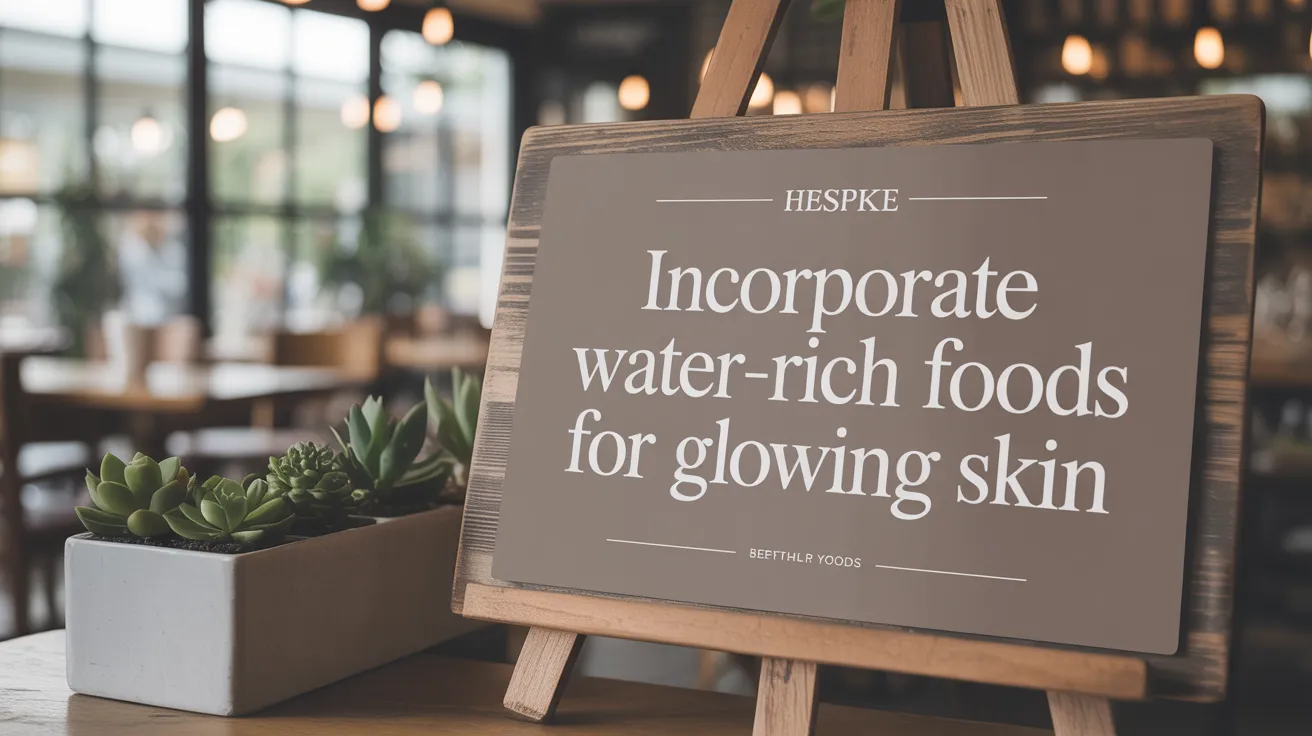
Incorporate Nourish your skin with water-rich foods. These not only hydrate the skin from within but also supply essential vitamins and antioxidants that protect against environmental damage and support healthy skin barrier function.
Adopt a gentle skin care routines that includes cleansing with mild, non-stripping products and moisturizing immediately after washing. Use serums and moisturizers containing hydrating ingredients like Humectants in Skincare, which attract and retain water in the skin.
Limit shower times to five minutes using warm water instead of hot, which can strip natural oils. Avoid Common Causes of Dry Skin and strong chemicals that disrupt the skin's lipid barrier, leading to moisture loss and dryness.
Select products with Humectants in Skincare (e.g., glycerin, urea, hyaluronic acid) that draw moisture into skin cells. Occlusives such as beeswax or lanolin create a protective barrier to lock in moisture. Emollients like shea butter and coconut oil soften and smooth the skin’s surface. Together, these ingredients enhance hydration and help repair and maintain the skin’s moisture barrier for healthy, resilient skin.

Protecting your skin from the sun is vital in preventing premature aging, age spots, skin damage, and even skin cancer. Effective methods include using a broad-spectrum sunscreen SPF 30, applying it generously, and reapplying every two hours or more during swimming or sweating. Wearing protective clothing like long-sleeved shirts, pants, and wide-brimmed hats, especially during peak sun hours protection (10 a.m. to 4 p.m.), helps shield the skin from harmful UV rays. Seeking shade during these hours adds an extra layer of protection.
Stress triggers the release of cortisol, which can promote inflammation and skin issues such as acne and sensitivity. Managing stress for better skin through relaxation techniques like meditation, yoga, and engaging in enjoyable activities supports healthier skin. Adequate sleep (7-9 hours) facilitates skin repair and helps restore the moisture barrier. Regular physical activity boosts blood circulation, ensuring nutrients and oxygen reach skin cells, leading to a healthy and glowing complexion.
Smoking damages blood vessels, reducing blood flow and depriving skin of essential oxygen and nutrients. It also harms collagen and elastin fibers, leading to premature wrinkles, loss of skin firmness, and increased risk of skin diseases. Quitting smoking for better skin improves circulation, replenishes nutrient delivery, and slows skin aging, resulting in healthier and more resilient skin.
Incorporating gentle skincare practices is crucial. This includes limiting bath time to around five minutes with warm water, using mild cleansers and moisturizers instead of harsh soaps, and moisturizing dry skin with SPF. Regular skin examinations help detect changes or abnormalities early, enabling timely treatment. Avoiding aggressive scrubbing and maintaining tailored skincare routines according to your skin type optimizes skin barrier function and hydration.
Lifestyle factors like sun protection, managing stress for healthy skin, quality sleep, quitting smoking, physical activity, gentle skincare, and regular skin check-ups complement diet and hydration to promote optimal skin vitality and health.
A balanced diet rich in antioxidants, vitamins, healthy fats, and water plays a fundamental role in maintaining vibrant, youthful skin. Eating foods like berries, leafy greens, fatty fish, nuts, and water-rich fruits such as watermelon and cucumbers supports skin hydration, reduces inflammation, and promotes collagen production. Proper hydration not only improves skin elasticity and texture but also helps flush out toxins and sustains the skin's moisture barrier.
Combining nutritious eating habits with gentle skin care practices amplifies skin health benefits. Applying moisturizers containing hydrating and barrier-repairing ingredients, protecting skin from the sun with SPF, managing stress, and avoiding harmful habits like smoking work synergistically with diet and hydration to maintain a radiant complexion.
Consistency is key to lasting results. Prioritize a nutrient-rich diet paired with adequate water intake, customize skincare to your skin type, and adopt lifestyle habits including adequate sleep, regular exercise, and sun protection. Monitoring your skin’s response and consulting dermatology professionals when needed ensures proactive maintenance. This comprehensive approach cultivates resilient, glowing skin throughout life.
Where real stories, expert insights, and little self-care secrets come together. A calm corner of the internet made for anyone who wants to feel good in their own skin - not just look good.
.jpg)
Beyond serums and lasers lies something quieter: the ritual of caring for yourself without guilt. This article explores why self-care routines matter just as much as any in-clinic procedure. Readers discover how consistent, simple choices — water, rest, boundary-setting, nourishing skin rituals — can keep results.

.jpg)
Not every treatment is about transformation — many are about returning to your natural expression. Here we break down the subtle side of aesthetics: soft hydration, micro-touches, gentle collagen boosts. It’s a guide to choosing treatments that make you look like you had a week-long vacation, not a redesign.
.jpg)
Your skin is constantly whispering clues - about stress, sleep, hormones, even the way you breathe. This article invites readers to slow down and listen. We explore how tiny changes in daily habits shape complexion, why “glow” is an inside job, and how professional treatments simply amplify what’s already possible when the body feels safe, rested, and supported.
.svg)
.svg)


.svg)