Understanding Botox: Comprehensive Patient Insights and Realistic Outcomes
.png)
Julia Buliga
December 8, 2025
Botox is a purified protein derived from the bacterium Clostridium botulinum. It functions as a neuromodulator that temporarily relaxes targeted muscles to reduce wrinkles and fine lines. Since its FDA approval for cosmetic use in 2002, Botox has become a widely accepted treatment in dermatology.
Botox is commonly used cosmetically to smooth dynamic wrinkles—those caused by muscle movement—such as forehead lines, crow’s feet, and frown lines between the eyebrows. Medically, it treats conditions like chronic migraines, hyperhidrosis (excessive sweating), overactive bladder, muscle spasms, and eyelid disorders such as blepharospasm.
Botox works by blocking chemical nerve signals that cause muscles to contract. By temporarily paralyzing these muscles, it softens the appearance of wrinkles and reduces symptoms of various medical conditions.
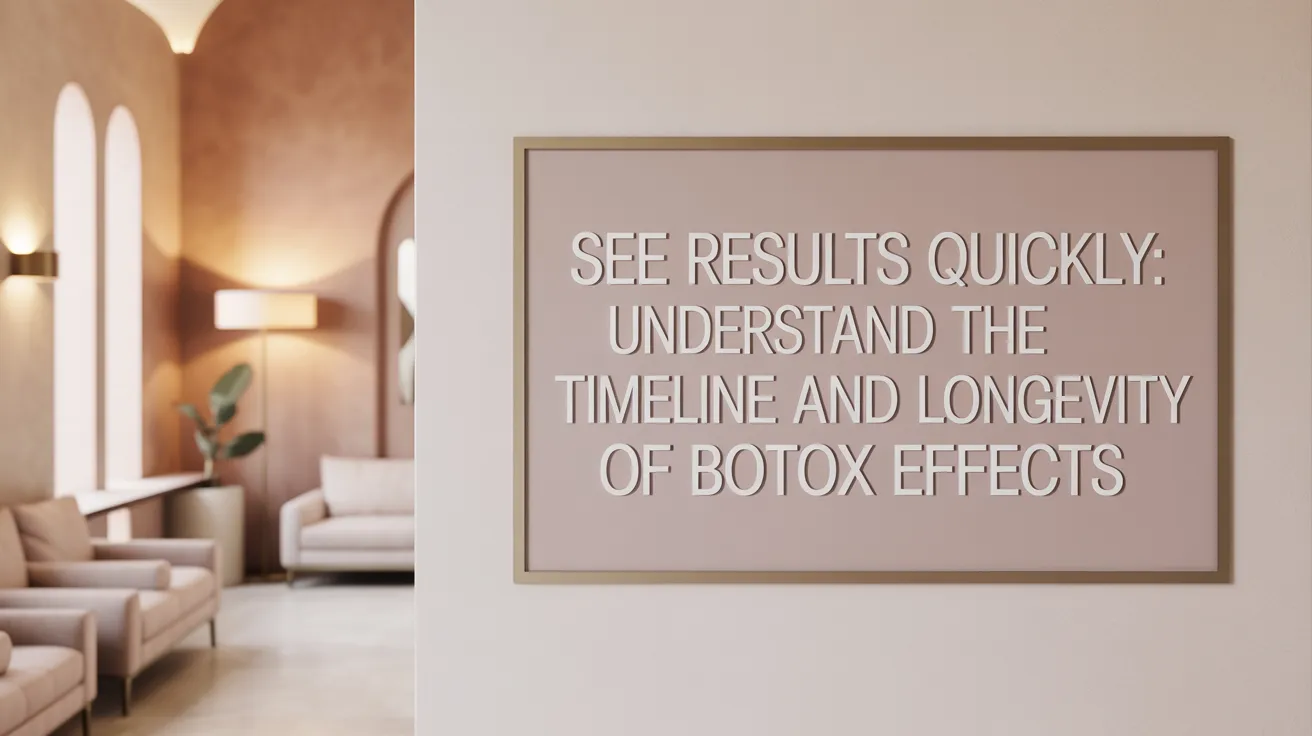
The effects usually start to appear within 3 to 7 days after treatment, with full results visible in about two weeks. Botox effects generally last between three and four months, after which muscle activity gradually returns, necessitating repeat treatments for sustained outcomes.
Ideal candidates are healthy adults seeking to improve the appearance of mild to moderate wrinkles or those needing treatment for certain medical issues. Botox is not recommended for pregnant or breastfeeding women or individuals with neuromuscular disorders. Safety is maximized when administered by a licensed and experienced healthcare professional.

Preparing for Botox involves several important steps to ensure safety and optimal results. Patients are advised to stop taking blood-thinning medications and supplements including aspirin, ibuprofen, fish oil, vitamin E, and various herbal products at least a week before the treatment. Minimizing or avoiding alcohol consumption for 24 to 48 hours prior also helps reduce bruising risks. On the day of the appointment, the patient's skin should be clean, without makeup, lotions, or oils. Additionally, it is recommended to discontinue Retin-A two days before and after the procedure and to avoid strenuous physical activities before treatment. For detailed guidance, see Pre-Treatment Instructions for Botox and Fillers and How to prepare for your first Botox appointment.
Botox injections usually take between 10 to 30 minutes to complete. A qualified healthcare provider begins with a consultation to evaluate facial anatomy and identify specific muscles responsible for dynamic wrinkles. Before injecting, the treatment sites are cleaned thoroughly, and some practitioners may apply a topical numbing cream or cooling to reduce discomfort. Learn more about the Botox injection procedure and the Botox treatment process.
The provider uses a fine needle to inject small amounts of Botox into selected facial muscles. Common targeted muscles include those on the forehead, around the eyes (crow’s feet), and between the eyebrows (glabellar lines). Precise injection helps relax these muscles and diminishes wrinkles while preserving natural facial expressions. Additional details can be found in Cosmetic Botox areas and Botox muscle paralysis effects.
The amount of Botox administered varies depending on the area and individual patient needs, typically ranging from 10 to 24 units per treatment area. Common cosmetic treatment sites include the forehead, glabellar region, crow’s feet, lips, and neck. The procedure is generally well-tolerated; most patients describe the sensation as a quick pinch or sting. Some facilities offer topical anesthetics or ice packs to help with pain relief. For more about pain management and treatment areas, visit Botox for Beginners and Using a cold compress.
Overall, the procedure is straightforward, minimally invasive, and allows patients to resume most daily activities immediately after treatment while following post-care instructions to optimize results and minimize side effects. See Post-treatment care for Botox and fillers and After Botox Procedures for complete aftercare guidance.

Common side effects after Botox injections are usually mild and temporary. Patients often experience pain, swelling, redness, or bruising at the injection site. Headaches and flu-like symptoms can also occur shortly after treatment. Some may experience mild eyelid drooping or temporary muscle weakness, but these effects generally resolve on their own within days to weeks.
While serious adverse events are rare, they can occur if the toxin spreads beyond the targeted area. This may lead to muscle weakness in unintended regions, difficulty swallowing or breathing, vision problems, or allergic reactions. Immediate medical attention is critical if patients experience severe pain, vision loss, slurred speech, difficulty swallowing, or breathing difficulties.
Botox is not suitable for everyone. It is contraindicated for pregnant or breastfeeding women and for individuals with neuromuscular disorders such as myasthenia gravis. Allergies to any botulinum toxin product or active infections at the injection site also disqualify patients. For bladder treatments, active urinary tract infections must be resolved before Botox use. Full disclosure of medical history is essential to ensure safety.
Patients should promptly contact their healthcare provider or seek emergency care if they notice severe swelling, vision changes, difficulty breathing, swallowing issues, slurred speech, loss of bladder control, or paralysis symptoms after Botox injections.
Choosing a licensed and experienced healthcare professional is crucial for safety and effective results. Skilled providers ensure proper injection technique, accurate dosing, and patient assessment to minimize risks and unwanted side effects. This expertise helps deliver natural outcomes while reducing complications.
Patients are advised not to touch, rub, or manipulate the treated areas for at least 3 to 4 hours post-injection. Staying upright for about 4 to 6 hours is also recommended to help prevent unintended spread of Botox injections. Avoiding strenuous activities and exercise for at least 24 hours, with some guidance suggesting caution up to 48 hours, is important to ensure optimal results. Refer to Post-treatment care for Botox and fillers for more information.
Applying cold compresses to the injection sites can significantly reduce swelling and bruising. Sleeping face-up is recommended to prevent pressure on treated areas. For mild discomfort, over-the-counter pain relievers like Tylenol are suitable. Patients should avoid alcohol, blood-thinning medications, and exposure to excessive sun or heat for several days following treatment to promote healing and lessen side effects. See Managing swelling after Botox and fillers for detailed guidance.
Most individuals can resume their daily routines immediately after Botox injections. However, they should avoid strenuous physical exercise and any activities that involve manipulating the facial muscles for the first 24 to 48 hours. Makeup can generally be applied shortly after the procedure unless the skin shows notable bruising or swelling. For additional recommendations, see Post-treatment precautions for fillers.
It is important to watch for any unusual symptoms such as severe pain, significant swelling, vision changes, or difficulty swallowing or breathing, which require immediate medical attention. Mild redness, bruising, or tenderness at the injection sites are normal and usually resolve within a few days. Review When to seek medical attention after Botox for warning signs.
These guidelines help patients maximize the benefits of Botox treatment while minimizing potential side effects during the recovery period.

Botox injections is primarily employed in cosmetic treatments to reduce dynamic wrinkles—those caused by muscle movements during facial expressions. The most frequent areas treated include forehead lines, frown lines between the eyebrows, and crow's feet around the eyes. Botox can also be used on the chin and jawline. Its main goal is to smooth these wrinkles while maintaining natural facial expressions, achieving a refreshed, youthful appearance without a frozen look.
Beyond aesthetics, Medical uses of Botox has significant therapeutic applications. It treats Botox for migraines, providing relief by relaxing specific muscle contractions related to headache pain. It also manages hyperhidrosis, a condition of excessive sweating, and helps with overactive bladder symptoms by reducing involuntary muscle activity. Other medical uses include treatment for neck muscle spasms (cervical dystonia), eyelid twitching (blepharospasm), and strabismus (lazy eye). Botox can alleviate symptoms associated with temporomandibular joint (TMJ) disorders and certain muscle spasticities.
Botox and dermal fillers are distinct treatments with unique effects. Botox injections works by temporarily paralyzing or relaxing muscles that cause wrinkles, effectively smoothing dynamic lines.
| Treatment | Mechanism | Purpose |
|---|---|---|
| Botox | Relaxes muscles to prevent contraction | Smoothes dynamic wrinkles caused by movement |
| Dermal Fillers | Adds volume and hydration beneath the skin | Restores facial contours and reduces static lines |
Dermal fillers target volume loss and static wrinkles that do not change with facial movement, complementing Botox's muscle-focused approach.
Ideal candidates are adults in good health seeking improvement in skin appearance or symptom relief from medical conditions. They should have realistic expectations, understanding that How long does Botox last and require repeated treatments every 3 to 6 months for maintenance. Treatment goals range from cosmetic enhancement—reducing visible wrinkles while preserving expressiveness—to managing medical symptoms such as migraines or muscle spasms.
In addition to cosmetic improvements, Botox offers therapeutic benefits by easing pain and muscle-related issues. It improves quality of life for patients with chronic conditions like migraines or hyperhidrosis. Moreover, regular use can contribute to preventing the deepening of wrinkles over time by limiting repetitive muscle contractions.

Patients should understand that Botox effects are temporary and develop gradually over several days, not immediately. Realistic expectations help avoid disappointment since results require proper dosing, may need multiple treatments, and take time for muscles to adjust. Unrealistic hopes about instant or permanent changes can lead to dissatisfaction.
Typically, Botox treatments are recommended every 3 to 4 months to maintain results. Consistent treatments not only sustain the effects but may also prolong how long the results last and help prevent the formation of deeper wrinkles over time.
The cost depends on the number of units required, the treatment areas, and the provider's skill level. Selecting a qualified and experienced healthcare professional increases safety and results in a natural appearance. Open and clear communication during the consultation about goals and expectations also plays a vital role in patient satisfaction.
When properly administered by trained professionals, Botox treatments allow for muscle relaxation that smooths wrinkles while preserving natural facial expressions. This balance prevents the "frozen" look, ensuring a refreshed yet authentic appearance.
Experienced practitioners possess a detailed knowledge of facial anatomy and injection techniques, which is essential for precise placement and dosing. Their expertise minimizes side effects and optimizes outcomes, making treatment safer and more effective.
Safety and realistic expectations are paramount; mild side effects such as bruising or swelling are common, while serious complications are rare when treatments are done by licensed professionals.
Professional guidance ensures proper assessment of your unique facial anatomy and health status, maximizing natural-looking results while minimizing risks.
Ongoing care, including scheduled maintenance every few months and following post-treatment advice, helps maintain your refreshed look and overall satisfaction with therapy.
Taking these steps empowers you to confidently embark on your Botox journey with understanding and assurance.
Where real stories, expert insights, and little self-care secrets come together. A calm corner of the internet made for anyone who wants to feel good in their own skin - not just look good.
.jpg)
Beyond serums and lasers lies something quieter: the ritual of caring for yourself without guilt. This article explores why self-care routines matter just as much as any in-clinic procedure. Readers discover how consistent, simple choices — water, rest, boundary-setting, nourishing skin rituals — can keep results.

.jpg)
Not every treatment is about transformation — many are about returning to your natural expression. Here we break down the subtle side of aesthetics: soft hydration, micro-touches, gentle collagen boosts. It’s a guide to choosing treatments that make you look like you had a week-long vacation, not a redesign.
.jpg)
Your skin is constantly whispering clues - about stress, sleep, hormones, even the way you breathe. This article invites readers to slow down and listen. We explore how tiny changes in daily habits shape complexion, why “glow” is an inside job, and how professional treatments simply amplify what’s already possible when the body feels safe, rested, and supported.
.svg)
.svg)


.svg)