Innovations and Best Practices in Skin Rejuvenation: Expert Perspectives
.png)
Julia Buliga
December 8, 2025
Skin aging involves both intrinsic factors, such as genetics and metabolism, and extrinsic factors including sun exposure, pollution, and lifestyle habits like smoking. These elements create oxidative stress and cellular damage that accelerate the breakdown of essential skin components.
Common indicators include the appearance of forehead wrinkles, under-eye hollows, drooping eyelids, sagging skin, dull texture, larger pores, pigment changes, and loss of facial firmness and definition.
From around age 35, the dermis—the skin's supportive middle layer—experiences a decline in collagen, elastin, and hyaluronic acid. These molecules are vital for skin strength, elasticity, and hydration. Their loss leads to skin laxity, reduced firmness, fine lines, and wrinkles.
Facial fat pads gradually shift downward due to aging, causing volume loss and altering facial contours. This shift contributes to sagging skin, formation of jowls, and hollowness in areas such as under the eyes. Restoration of volume is a primary goal in rejuvenation therapies to improve the natural youthful shape of the face.
Skin aging results from a combination of intrinsic factors of skin aging and extrinsic factors of skin aging. Intrinsic aging is influenced by genetic factors, cellular metabolism, and hormonal changes, causing gradual loss of skin firmness and elasticity. Extrinsic aging largely stems from environmental exposures such as chronic sun exposure, pollution, and smoking, which accelerate damage through oxidative stress and DNA damage.
The dermis, the skin’s middle layer, contains crucial structural proteins: collagen and elastin. Starting around age 35, levels of these proteins decline, leading to skin laxity and wrinkles. Collagen loss diminishes skin strength and firmness, while elastin degradation results in reduced elasticity, producing sagging and deeper lines.
Sun exposure causes solar elastosis—an abnormal accumulation and degradation of elastic fibers—resulting in thickened, rough, and discolored skin. Pollution and chemical exposure add to oxidative damage, accelerating wrinkles, pigmentation irregularities, and diminished skin barrier function.
Facial fat pads shift downward with age due to tissue laxity and volume loss. This descent contributes to loss of youthful contour, creating under-eye hollows, jowls, and sagging skin. The combined effects of fat redistribution and dermal protein decline significantly alter facial structure and appearance.
This interplay of biological changes underscores the importance of targeted facial rejuvenation procedures focusing on collagen restoration, fat volume replacement, and protection from environmental damage to maintain youthful skin.
Laser skin resurfacing is a cornerstone of non-invasive skin rejuvenation, utilized to improve skin texture, reduce wrinkles, and treat pigmentation issues. Ablative lasers, such as CO2 and erbium lasers, remove outer skin layers, promoting collagen growth and resulting in tighter, smoother skin but with longer recovery time. Non-ablative lasers stimulate collagen beneath the skin surface without damaging the outer layers, offering subtler improvements and shorter downtime. Fractional laser technology creates microscopic treatment zones, enhancing healing while reducing side effects. Patients typically require multiple sessions for optimal results.
Microneedling induces collagen and elastin production by creating controlled micro-injuries in the skin, effectively improving fine lines, scars, enlarged pores, and skin tone. Adding radiofrequency (RF) energy to microneedling further accelerates collagen synthesis and skin tightening by delivering controlled heat to deeper dermal layers. RF treatments also restore elastin quality and reduce skin laxity. Both methods present minimal downtime and are safe for most skin types.
Chemical peels use chemical solutions to exfoliate the skin's surface, promoting new cell growth and improved collagen production. They vary from light to deep peels, addressing issues like acne scars, pigmentation, and fine wrinkles. IPL (Intense Pulsed Light) photorejuvenation utilizes broad-spectrum light pulses targeting pigmentation, redness, and vascular concerns, enhancing skin tone and stimulating collagen with minimal recovery time. Both treatments require careful patient selection and skilled application for safety and effectiveness.
Injectable treatments are crucial in facial rejuvenation procedures. Botulinum toxin (Botox) relaxes facial muscles to smooth dynamic wrinkles typically caused by expressions, with effects lasting several months. Hyaluronic acid-based dermal fillers restore volume loss, add contour, and reduce static wrinkles by plumping the skin. Fillers are temporary but provide immediate results that last between six months to two years. Injection techniques have advanced with the use of blunt cannulas for precision and reduced side effects like bruising and swelling.
Together, these non-invasive and minimally invasive therapies offer customizable options to revitalize aging skin with minimal downtime and natural-looking results, making them increasingly popular in modern dermatologic practice.

Neuromodulators, such as botulinum toxin (commonly known as Botox), are injectable treatments that temporarily relax facial muscles responsible for dynamic wrinkles. These injections smooth out expression lines seen around the forehead, crow’s feet, and frown lines by preventing muscle contractions that cause wrinkles to form. Effects typically begin within 1-2 weeks and last several months, helping achieve a natural, refreshed appearance.
Dermal fillers consist mainly of hyaluronic acid, a substance naturally found in the skin, which replenishes lost volume and plumps areas affected by aging. They are commonly used for restoring fullness to cheeks, lips, under-eye hollows, and nasolabial folds. Results are immediate with minimal downtime, generally lasting from 6 months up to 2 years depending on product type.
Facial fat grafting involves harvesting fat from another body part and injecting it into areas needing volume enhancement. Microfat grafting uses processed fat for more volumizing effects, suitable for restoring cheeks and jawline contours. Nanofat grafting involves finer fat particles to improve skin texture, address fine wrinkles, and under-eye hollows by enhancing skin quality and stimulating collagen.
Longer-lasting neuromodulators, such as newer botulinum toxin formulations, provide extended duration of wrinkle relaxation. Innovative filler products now also offer skin-boosting capabilities by combining volume restoration with hydration and collagen stimulation. Combining injectables with regenerative treatments like platelet-rich plasma (PRP) and radiofrequency microneedling enhances overall skin rejuvenation for more natural and durable outcomes.
These advanced injectable and fat grafting techniques emphasize subtle enhancement, minimizing swelling and bruising through refined cannula methods and personalized approaches for harmonious, youthful facial contouring.
Eyelid surgery, or blepharoplasty for sagging eyelids, addresses sagging eyelids, puffiness, and under-eye bags. It helps lift drooping skin, reduces excess fat, and improves wrinkles around the eyes. This surgery enhances both upper and lower eyelids, restoring a more youthful and rested appearance with long-lasting results. The procedure can be performed under local anesthesia and is tailored to individual needs.
Neck lifts surgery effectively tighten loose skin around the neck and jawline, removing excess fat and reducing jowls. By repositioning and trimming skin and underlying tissues, neck lifts create a smoother, more defined neck contour and jawline, which revitalizes the lower face's overall appearance. This surgery provides a significant improvement for sagging skin and is often combined with other facial rejuvenation procedures for comprehensive results.
A brow lift surgically elevates sagging eyebrows by removing excess skin and tightening muscles and tissues in the forehead area. This procedure corrects drooping brows that cannot be effectively treated with injectables. By restoring the natural arch and position, brow lifts contribute to a more youthful, alert, and refreshed look, balancing the upper face.
Deep plane facelifts reposition both skin and the deeper facial muscles and tissues to achieve natural, long-lasting rejuvenation. This technique minimizes a pulled or windswept appearance common in older methods. Vertical facelifts focus on lifting facial tissues upward in a vertical direction, enhancing natural facial contours without over-tightening. Both techniques emphasize subtle, harmonious results that restore youthful volume and contour.
These surgical methods are critical for addressing advanced signs of aging that non-surgical options cannot fully treat. They offer durable enhancements in facial shape and skin quality, complementing less invasive treatments for a comprehensive anti-aging strategy.

Prejuvenation refers to skin care approaches that begin in the late 20s or 30s to delay visible signs of aging. These strategies include subtle procedures such as Baby Botox and Medical-Grade Facials, which aim to maintain youthful skin and prevent wrinkles before they form. Preventative skin care also emphasizes daily protection, notably sun avoidance and applying broad-spectrum SPF to limit photoaging effects.
Regenerative therapies are gaining prominence for their ability to stimulate the body's natural repair processes. Platelet-rich plasma (PRP)], derived from the patient's own blood, contains growth factors that accelerate healing and collagen production. This therapy is often combined with microneedling or fat grafting to enhance skin texture and reduce fine lines.
Advanced regenerative treatments include stem cell-based therapies and exosome applications, which support tissue regeneration and skin vitality, offering promising results for severe skin damage or genetic conditions.
Skin boosters, such as hyaluronic acid-based injectables, hydrate and improve skin elasticity over time. Biostimulatory fillers like Sculptra encourage natural collagen synthesis, leading to longer-lasting volume restoration and firmer skin texture. These treatments provide a more natural enhancement compared to traditional fillers, with effects that build gradually and sustain skin rejuvenation.
Artificial intelligence is increasingly integrated into dermatology to tailor treatments for individual skin characteristics and aging patterns. AI-assisted imaging and analysis enable precise mapping of skin concerns, allowing clinicians to customize regimens and optimize outcomes. This technology supports the trend toward conservative, natural-looking aesthetic results, aligning with patient preferences for subtle rejuvenation.
Together, these emerging trends and regenerative approaches mark a shift toward proactive, biologically supported, and technologically advanced skin rejuvenation methods.

Facial rejuvenation procedures, both invasive and non-invasive, commonly cause mild side effects such as pain after facial treatment, erythema and swelling (redness), swelling, and bruising from rejuvenation. Pain is the most frequently reported symptom following treatments like laser treatment, injectables, and radiofrequency rejuvenation therapy. These side effects are usually transient and resolve within a few days to weeks depending on the procedure's invasiveness.
Selecting experienced, board-certified dermatologists or cosmetic surgeons is crucial to ensure safe treatments and optimal outcomes. Personalized care plans tailored to the individual's skin type, aging concerns, and health history help minimize risks and improve results. Proper patient evaluation includes medical history review, skin examination, and alignment of expectations, as outlined in Skin rejuvenation consultation.
After facial rejuvenation procedures, diligent post-care is key to promote healing and maintain benefits. This includes applying prescribed ointments, avoiding irritants, and strict sun protection. Patients should use broad-spectrum sunscreens with high SPF, reapply regularly, and wear protective clothing when outdoors. Skincare with antioxidants such as vitamin C can support skin repair, as explained in skincare secrets doctors want you to know.
Preventing infection involves following provider instructions, avoiding touching or picking at treated areas, and pre-treating with antivirals if there's a history of herpes simplex virus, as discussed in cosmetic dermatology procedures. Sun avoidance before and after procedures reduces the chance of hyperpigmentation or hypopigmentation. Providers often schedule multiple sessions with intervals to monitor skin response safely.
By adhering to safety guidelines, choosing skilled clinicians, and maintaining proper skin care, patients can experience effective facial rejuvenation with minimal complications.

Protecting skin from sun exposure is vital after rejuvenation treatments to prevent pigmentation changes and ensure long-lasting results. Using broad-spectrum sunscreens with an SPF of 30 or higher helps shield the skin from harmful UV rays that can accelerate aging and compromise healing.
Antioxidant-rich skincare products, especially those containing vitamin C, protect the skin from oxidative stress and promote collagen synthesis. Incorporating antioxidants into daily routines enhances skin repair and maintains a youthful glow following treatments (skincare secrets doctors want you to know).
After procedures, gentle cleansing followed by the application of vitamin C serums, retinoids like retinol, and moisturizers supports skin regeneration. Retinoids stimulate collagen production, improve skin texture, and accelerate cell turnover, while effective moisturization maintains the skin's barrier and hydration (cosmetic dermatology overview).
Hydration plays a key role in skin elasticity and overall appearance. Using moisturizers with hyaluronic acid and glycerin can restore moisture and strengthen the skin barrier, which protects against irritants and supports healing.
Routine follow-up visits and touch-up treatments are essential to sustain results after rejuvenation. Treatment schedules vary by individual and procedure type but following medical advice ensures optimal outcomes and addresses any emerging skin concerns timely (facial rejuvenation procedures).
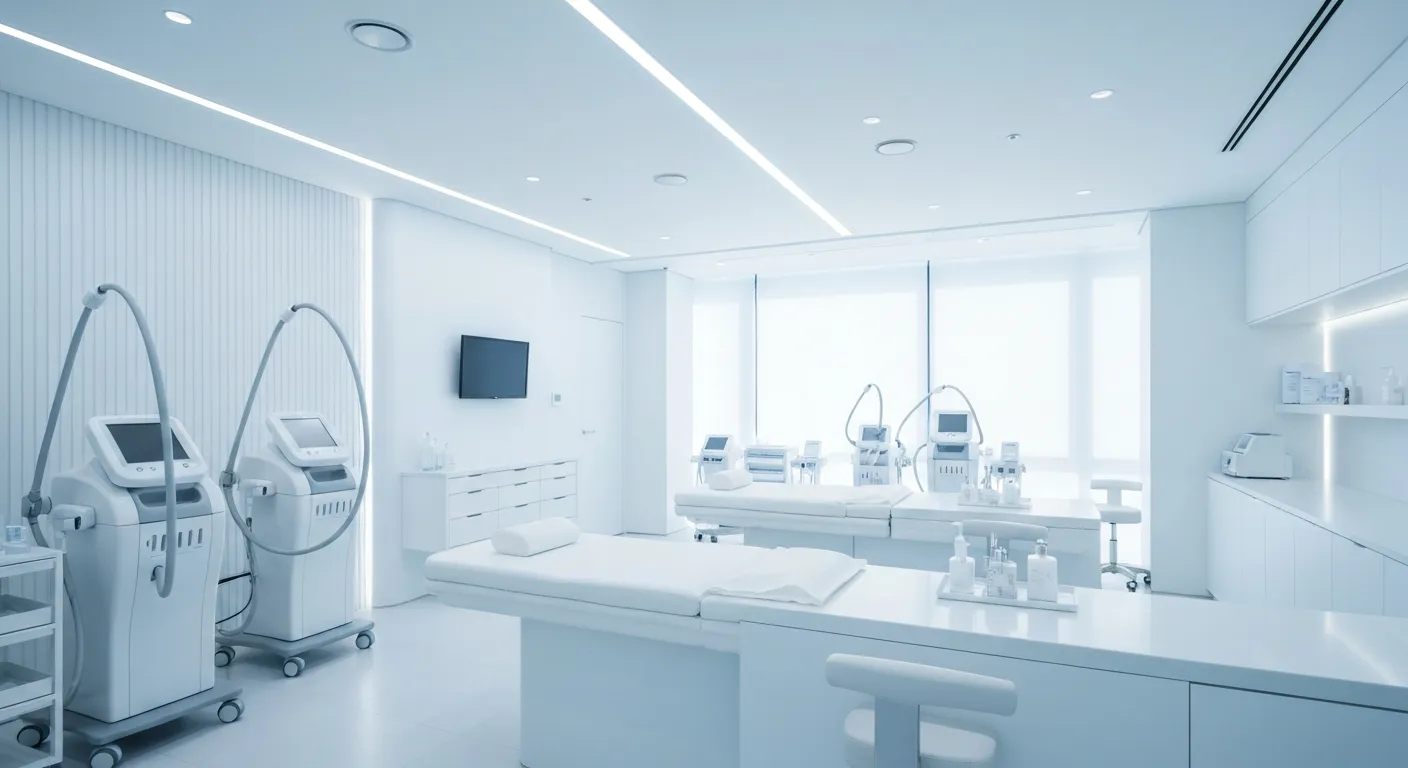
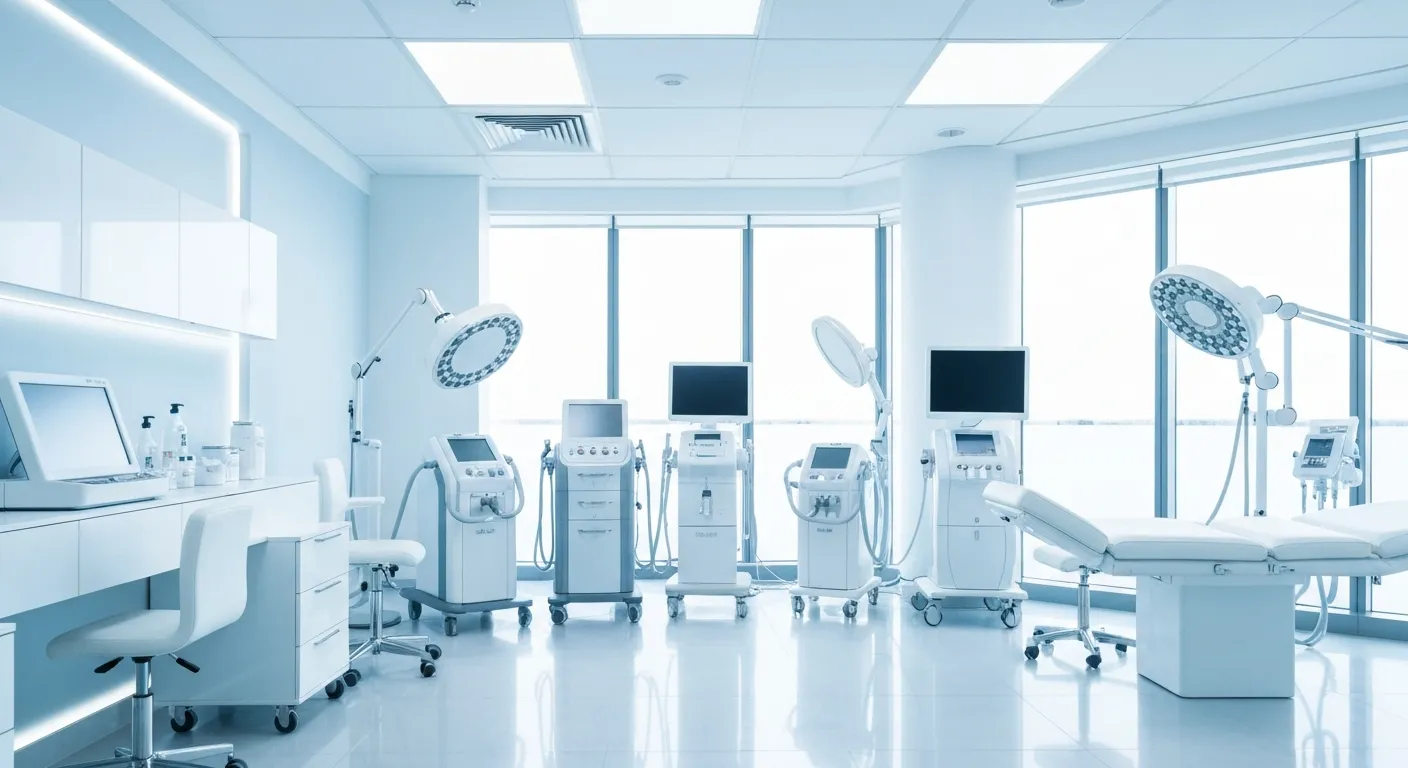
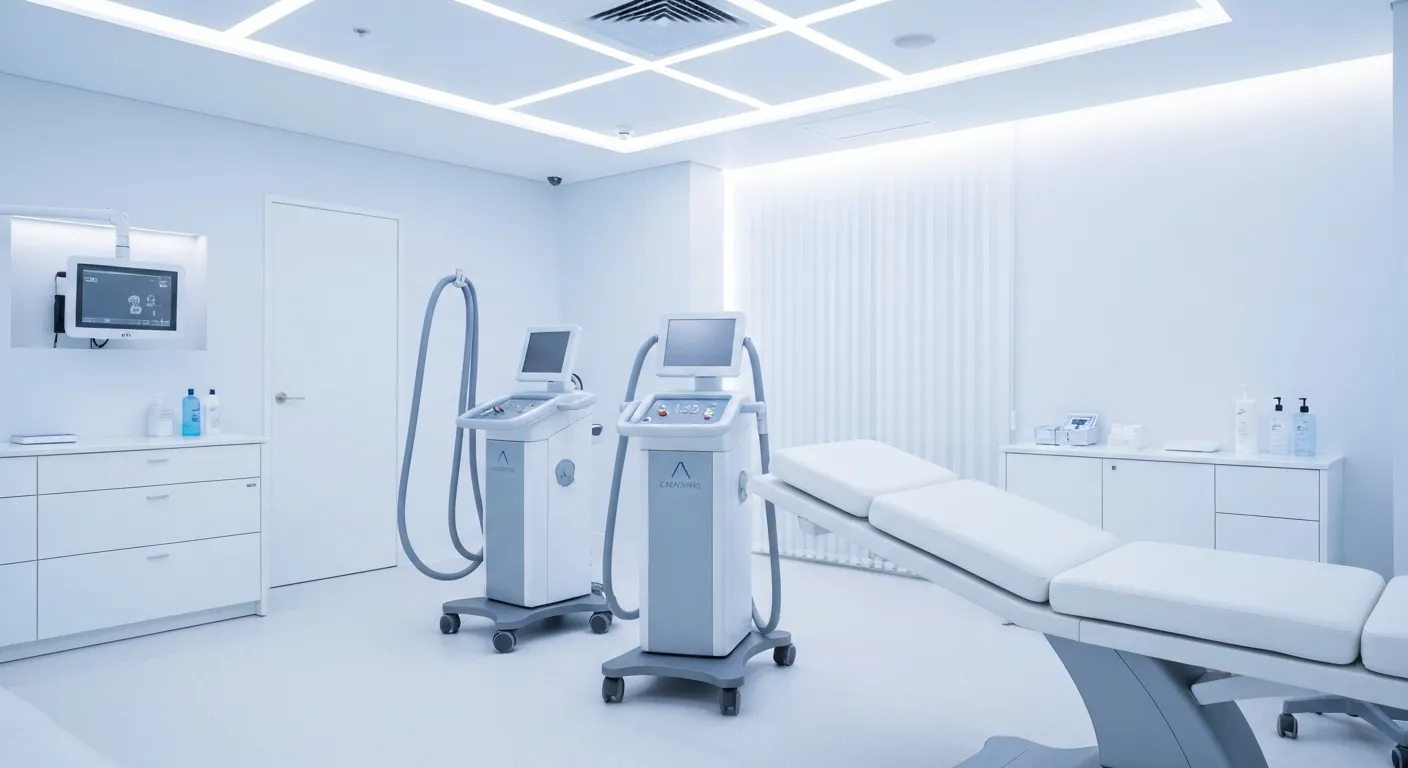
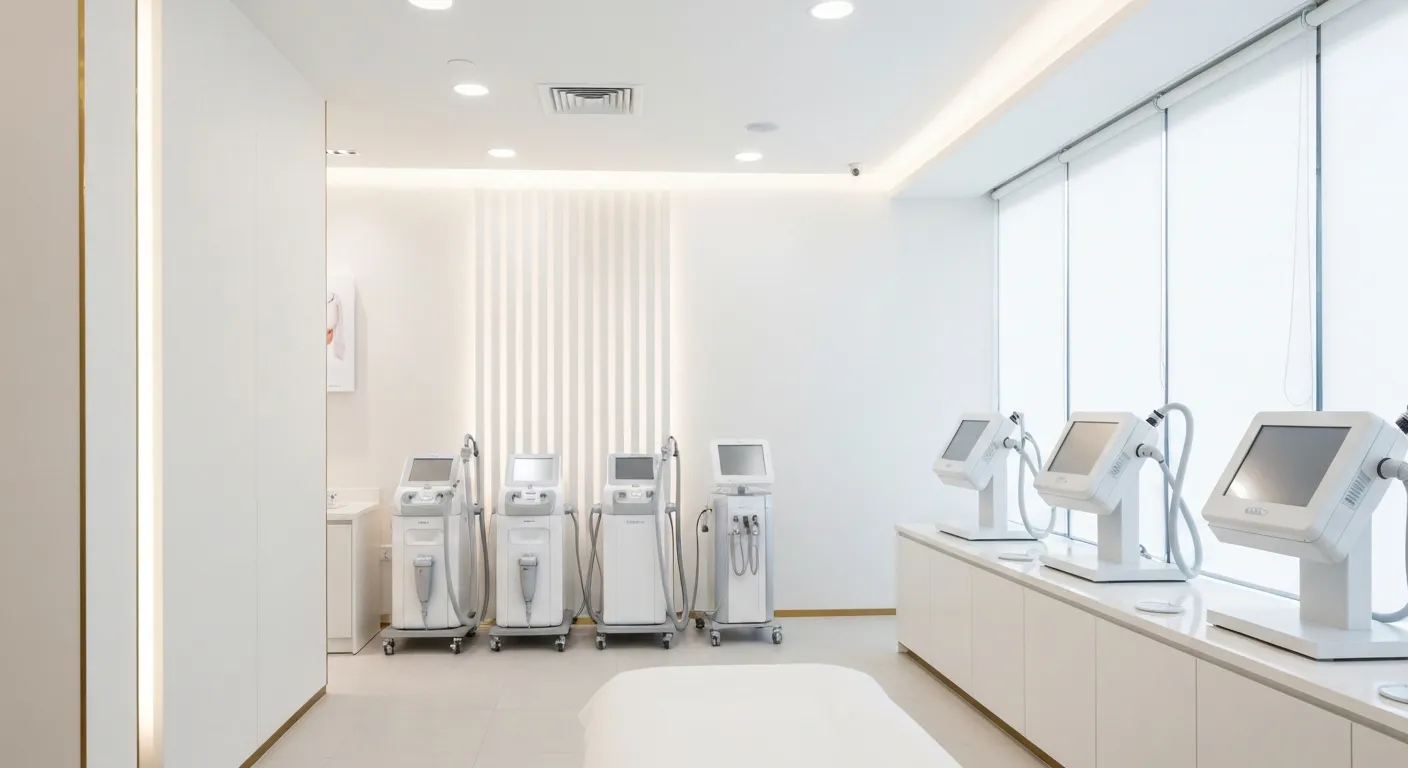
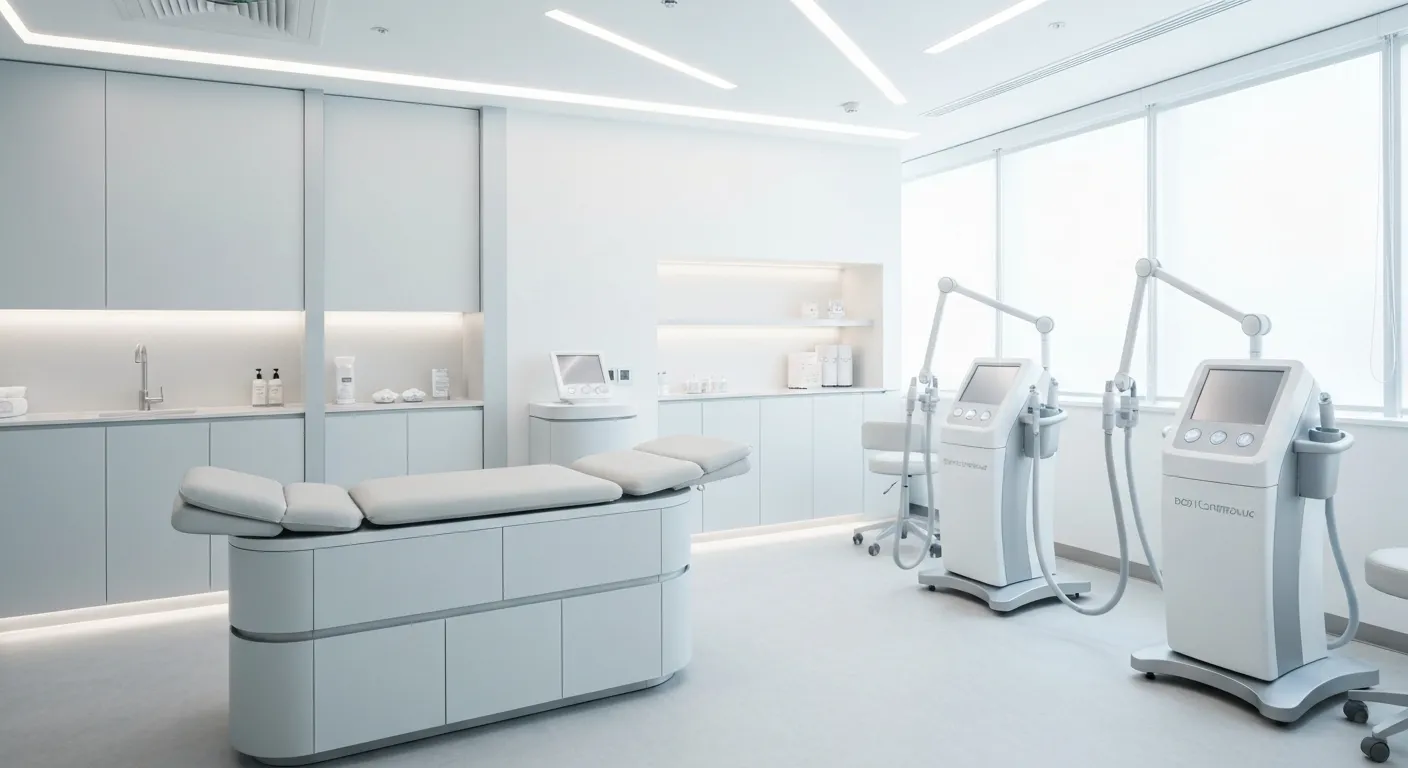
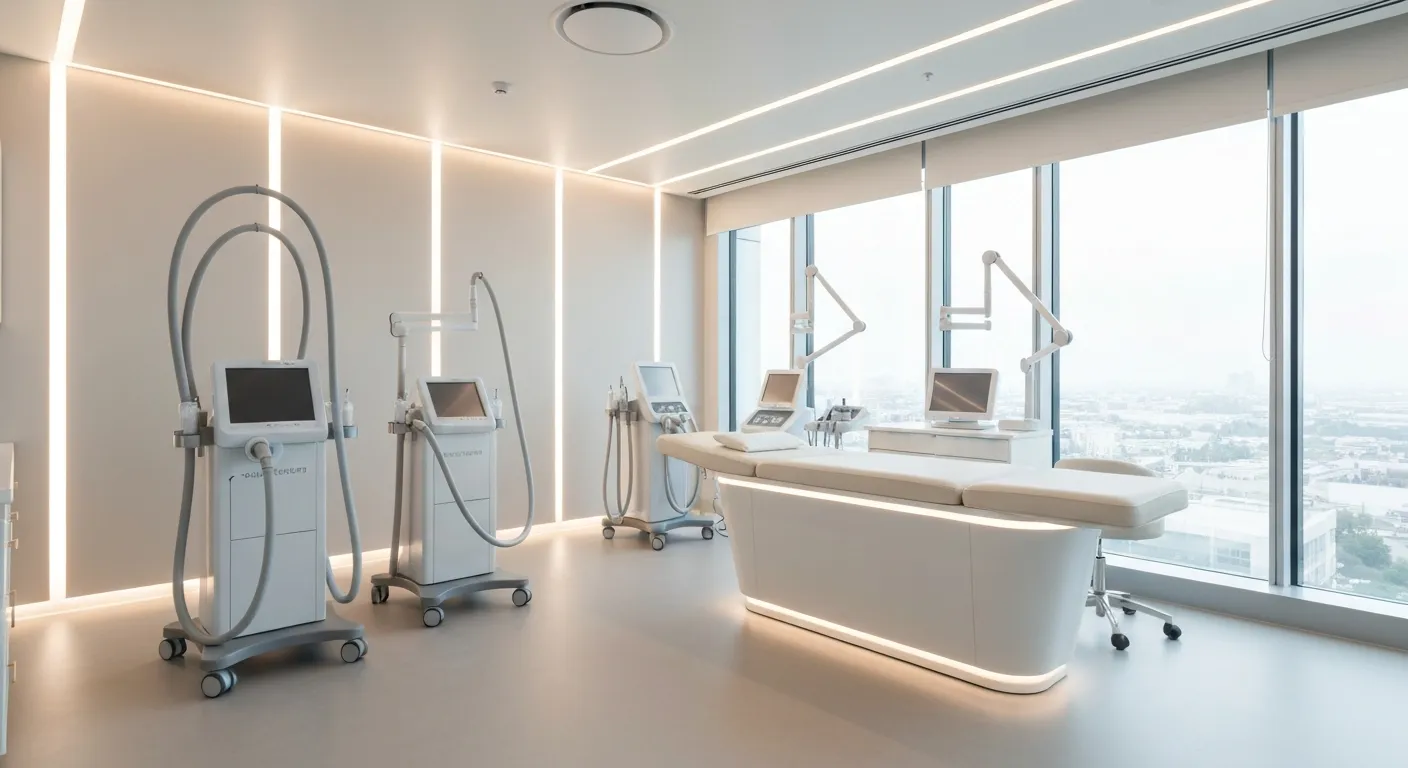
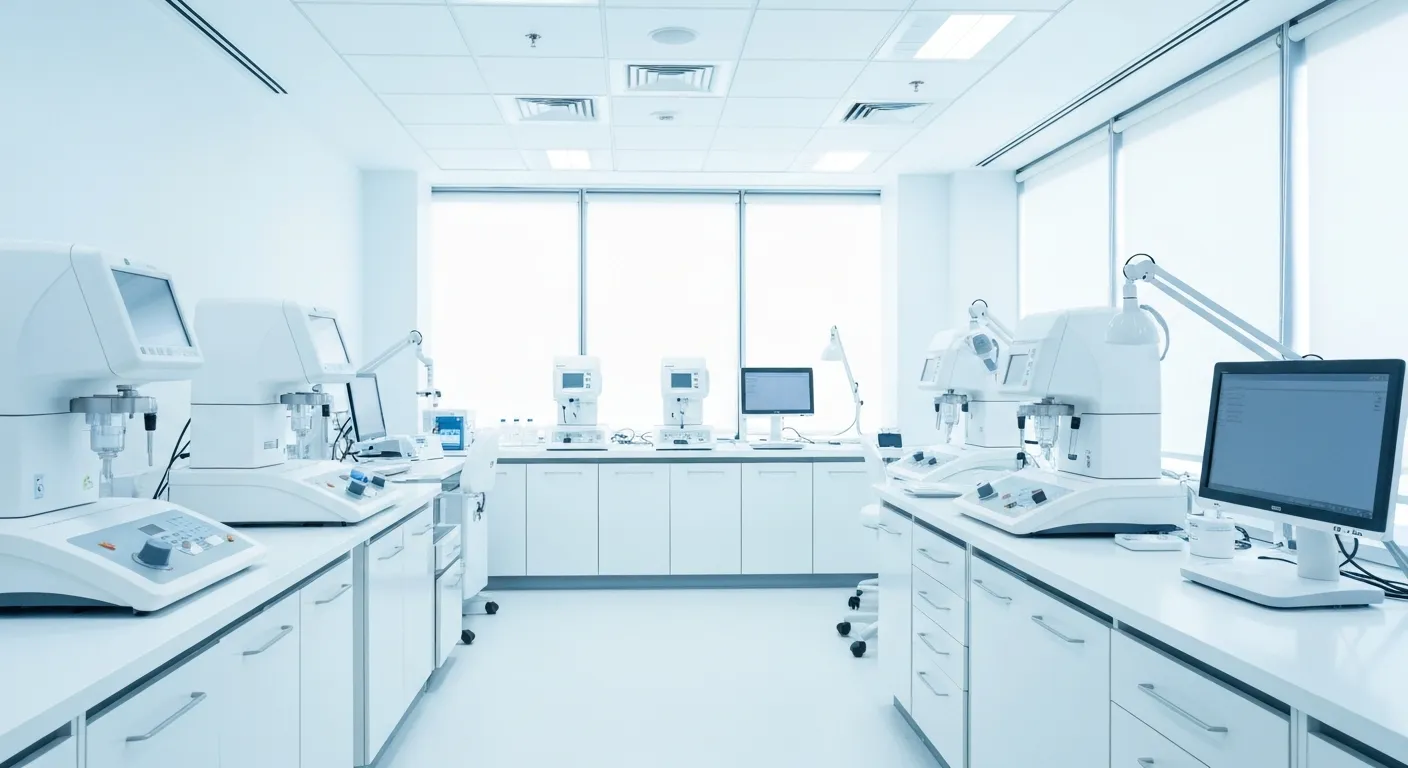
Modern skin rejuvenation treatments extensively utilize advanced laser systems and Monopolar radiofrequency (RF) skin-tightening to promote collagen synthesis and skin tightening. Devices like Candela's Nordlys laser system provide versatile treatment options targeting pigmentation and fine wrinkles with minimal downtime. RF microneedling combines fine needle punctures with controlled radiofrequency heat, accelerating collagen production and producing firmer, smoother skin with fewer sessions compared to traditional microneedling.
Newer laser technologies such as the UltraClear cold fiber ablative laser stimulate collagen remodeling effectively while reducing inflammation and downtime. Pico Sculpting laser technique delivers super-short energy pulses at different skin depths, tightening skin and enhancing texture rapidly within as little as one week, benefiting a broad range of skin tones.
Non-surgical lifts and facial contouring methods have gained popularity for their Natural-Looking Aesthetic Trends. Techniques include liquid facelifts using injectables such as longer-lasting neuromodulators and dermal fillers benefits, as well as energy-based procedures like ultrasound lifts (e.g., Ultherapy) and radiofrequency treatments. These approaches provide skin tightening and volume restoration without surgery, minimizing discomfort and recovery time.
High-tech facials like HydraFacial and modern chemical peels such as the VI Peel are often integrated into treatment plans to enhance skin hydration, exfoliation, and brightening. These procedures complement laser and injectable treatments by improving skin texture and tone with immediate effects and minimal downtime, contributing to comprehensive rejuvenation.
Overall, these innovations support a move toward personalized, less invasive skin rejuvenation strategies with enhanced safety, efficacy, and natural aesthetic outcomes.
Modern skin rejuvenation trends prioritize achieving subtle, natural-looking improvements without dramatic changes. Patients increasingly prefer treatments that maintain their unique facial characteristics while enhancing youthful contours and texture.
Consultations now focus on tailoring treatment strategies to individual skin types, aging signs, and patient goals. Dermatologists combine various minimally invasive procedures, such as neuromodulators, dermal fillers, laser therapies, and fat grafting, to create harmonious and effective results customized for each patient.
Ongoing research fuels advancements in regenerative treatments, including stem cell therapy, platelet-rich plasma (PRP), and novel biostimulators that promote collagen production and natural tissue repair. These innovations aim to extend the durability of rejuvenation outcomes and enhance skin health on a cellular level.
Comprehensive skin rejuvenation now integrates medical procedures with skincare regimens, preventative 'prejuvenation', and lifestyle modifications. Sun protection, antioxidant use, hydration, and nutrition are vital components in preserving results and supporting ongoing skin vitality alongside clinical treatments.
Where real stories, expert insights, and little self-care secrets come together. A calm corner of the internet made for anyone who wants to feel good in their own skin - not just look good.
.jpg)
Beyond serums and lasers lies something quieter: the ritual of caring for yourself without guilt. This article explores why self-care routines matter just as much as any in-clinic procedure. Readers discover how consistent, simple choices — water, rest, boundary-setting, nourishing skin rituals — can keep results.

.jpg)
Not every treatment is about transformation — many are about returning to your natural expression. Here we break down the subtle side of aesthetics: soft hydration, micro-touches, gentle collagen boosts. It’s a guide to choosing treatments that make you look like you had a week-long vacation, not a redesign.
.jpg)
Your skin is constantly whispering clues - about stress, sleep, hormones, even the way you breathe. This article invites readers to slow down and listen. We explore how tiny changes in daily habits shape complexion, why “glow” is an inside job, and how professional treatments simply amplify what’s already possible when the body feels safe, rested, and supported.
.svg)
.svg)


.svg)