Exploring Your Options: Weighing Non-Invasive and Surgical Cosmetic Procedures
.png)
Julia Buliga
December 8, 2025
Cosmetic enhancements broadly fall into two categories: non-invasive and surgical procedures. Non-invasive treatments include injections like Botox and dermal fillers, laser therapies, chemical peels, and skin resurfacing techniques that aim to rejuvenate appearance with minimal downtime and low risk. Surgical procedures, on the other hand, encompass operations such as facelifts, rhinoplasty, breast augmentation, and liposuction. These surgeries provide more dramatic and longer-lasting results but involve incisions, anesthesia, and extended recovery.
Non-invasive treatments do not puncture or cut the skin, involve less discomfort, and allow patients to resume daily activities almost immediately. They are generally more affordable upfront but require ongoing maintenance as results tend to be temporary. Surgical options create permanent or long-lasting changes by reshaping underlying tissues and removing excess skin or fat. However, these require significant recovery time and carry increased risks such as infection, scarring, and anesthesia complications.
Choosing the right cosmetic procedure depends heavily on individual goals, budget, expected recovery time, and tolerance for risk. A thorough consultation with a certified plastic surgeon or qualified professional is vital to discuss realistic outcomes and understand how prior non-invasive treatments might impact future surgical options. Combining both types of procedures under expert guidance can help achieve balanced, natural-looking enhancements while minimizing risks. Being well-informed empowers patients to make confident, personalized choices on their aesthetic journey.

Non-invasive cosmetic treatments have surged in popularity due to their gentle approach and quick results. Common options include injectables like Botox and dermal fillers, which smooth wrinkles and restore facial volume without surgery. Laser-based procedures such as laser skin resurfacing and chemical peels refresh skin tone and texture by stimulating collagen and removing damaged surface layers. Microneedling combines tiny punctures and sometimes radiofrequency energy to rejuvenate skin.
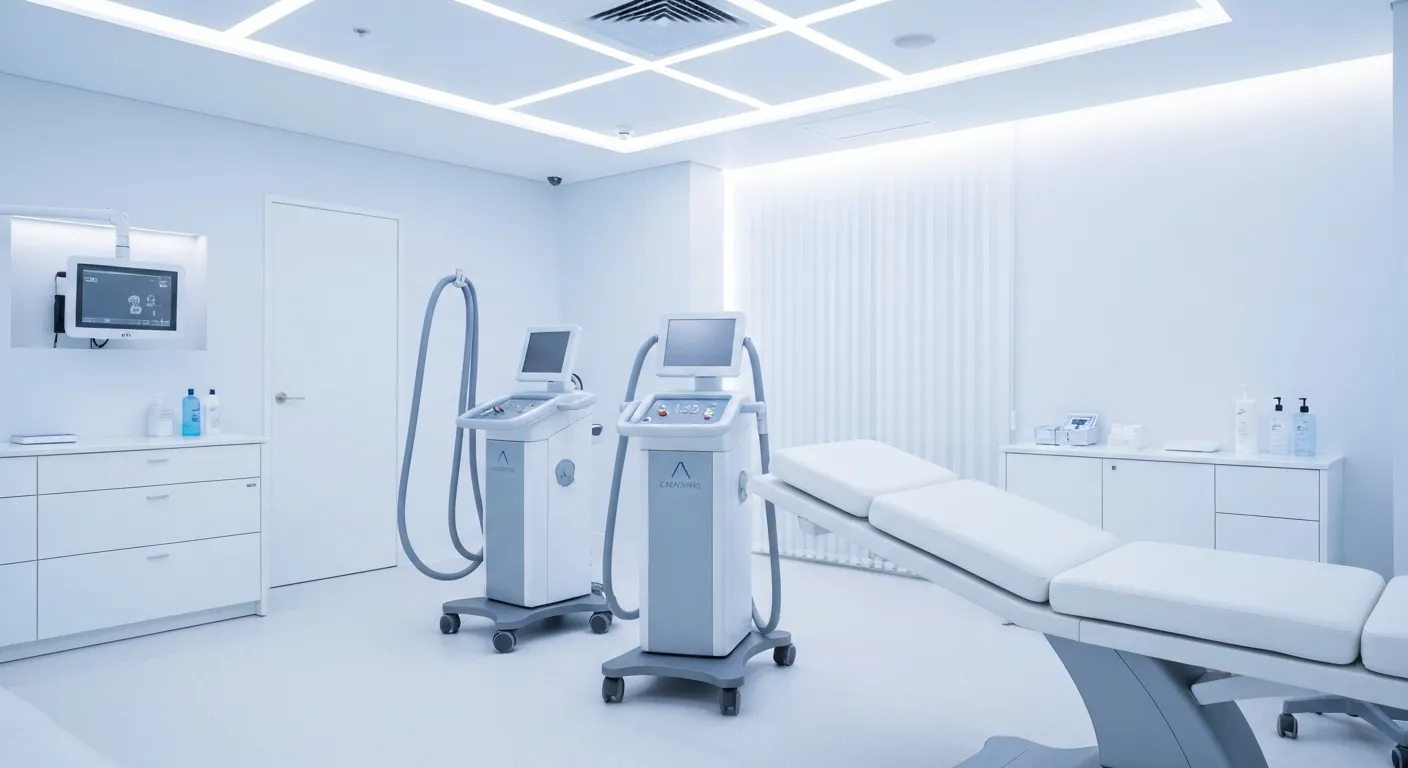
Fat reduction and body contouring can also be achieved non-invasively using technologies like CoolSculpting, which freezes fat cells, or radiofrequency treatments such as Emface and EndyMed 3DEEP that tighten skin and stimulate collagen through heat energy. These procedures do not involve incisions or anesthesia and usually require little to no downtime, allowing patients to quickly resume everyday activities (Non-invasive Skin Treatments).
Non-invasive treatments offer a variety of benefits. They typically cause minimal discomfort and avoid surgical risks such as scarring, infections, or anesthesia complications (Pros of non-surgical cosmetic treatments). Many procedures are quick—often completed in under an hour—and patients experience natural-looking, subtle enhancements rather than dramatic changes. These factors make them appealing for individuals seeking gentle rejuvenation without interrupting their busy schedules.
Cost is another advantage: often, non-invasive procedures have a lower upfront price compared to surgery. However, results are usually temporary and require ongoing maintenance to preserve the outcome. Limitations include less effectiveness for severe signs of aging or significant structural concerns that might need surgical correction. Over multiple sessions, cumulative costs and time commitments can approach those of single surgical procedures (Non-Surgical Cosmetic Treatments Benefits).
Results from non-invasive procedures tend to appear quickly. For example, Botox effects begin within days and last around 3 to 4 months, while dermal fillers often provide immediate improvement, with effects lasting between 6 and 18 months depending on the product used (Non-surgical cosmetic treatments). Laser and radiofrequency treatments may require multiple sessions spaced several weeks apart to achieve optimal outcomes.
Maintenance is a regular part of non-invasive cosmetic care; ongoing touch-ups help sustain youthful features and skin health over time. Patients often combine different modalities, leveraging injectables alongside skin resurfacing or tightening to address multiple concerns simultaneously (Non-Surgical Facial Rejuvenation).
These non-invasive cosmetic procedures provide a broad range of options for subtle facial and body rejuvenation tailored to individual needs and lifestyle preferences (Non-Invasive Cosmetic Treatments.

Surgical cosmetic procedures are designed to provide dramatic and lasting changes to enhance appearance and boost self-confidence. Common procedures include:
Each procedure targets specific aesthetic concerns, providing solutions for sagging skin, volume loss, excess fat, or structural imbalances. For more details, visit Cosmetic Procedures and Facelift surgical procedure.
Surgical cosmetic procedures typically deliver:
These advantages make surgery the preferred choice for individuals seeking significant rejuvenation or body contouring. For an overview, see Cosmetic Surgery Overview and Surgical vs Nonsurgical Facial Rejuvenation.
Surgical interventions involve:
Realistic expectations and emotional readiness are also vital for satisfaction and successful outcomes. For details, refer to Risks and Recovery for Cosmetic Surgery and Pros and Cons of Plastic Surgery.
Ideal candidates for surgery are those:
Surgeons evaluate each patient individually to recommend appropriate procedures, considering age, skin quality, medical history, and personal goals. Proper consultation with a board-certified plastic surgeon ensures patients understand the benefits, limitations, and risks, enabling informed decision-making. For guidance, see Choosing Surgery vs Non-Surgical Options and Cosmetic Surgery vs. Non-Surgical Enhancements.
Choosing between non-invasive and surgical cosmetic procedures involves several important considerations. Patients often weigh factors such as desired results, recovery time, risk tolerance, cost, and personal lifestyle. Non-invasive treatments typically offer subtle, natural enhancements with minimal downtime and lower upfront costs but require maintenance for lasting effects. Conversely, surgical procedures provide more dramatic and longer-lasting outcomes but involve higher costs, increased risks, and longer recovery periods.
A thorough consultation with a qualified and board-certified plastic surgeon or licensed aesthetic provider is crucial. This professional guidance helps align expectations with realistic outcomes, taking into account your unique skin condition, age, health status, and aesthetic goals. They also evaluate how prior treatments might impact future options — for example, nonsurgical procedures may affect surgical outcomes if residual materials are present.
Ultimately, your choice should balance your aesthetic objectives with your willingness to accept surgical risks and downtime. Some patients opt for nonsurgical treatments as temporary solutions while considering surgery later. Others prioritize minimal interference with daily life and seek natural, age-appropriate rejuvenation. Open communication with your provider ensures an individualized treatment plan that respects your goals, addresses safety, and fits your lifestyle.
Where real stories, expert insights, and little self-care secrets come together. A calm corner of the internet made for anyone who wants to feel good in their own skin - not just look good.
.jpg)
Beyond serums and lasers lies something quieter: the ritual of caring for yourself without guilt. This article explores why self-care routines matter just as much as any in-clinic procedure. Readers discover how consistent, simple choices — water, rest, boundary-setting, nourishing skin rituals — can keep results.

.jpg)
Not every treatment is about transformation — many are about returning to your natural expression. Here we break down the subtle side of aesthetics: soft hydration, micro-touches, gentle collagen boosts. It’s a guide to choosing treatments that make you look like you had a week-long vacation, not a redesign.
.jpg)
Your skin is constantly whispering clues - about stress, sleep, hormones, even the way you breathe. This article invites readers to slow down and listen. We explore how tiny changes in daily habits shape complexion, why “glow” is an inside job, and how professional treatments simply amplify what’s already possible when the body feels safe, rested, and supported.
.svg)
.svg)


.svg)