Transformative Journeys: How Personalized Aesthetic Medicine Enhances Lives
.png)
Julia Buliga
December 8, 2025
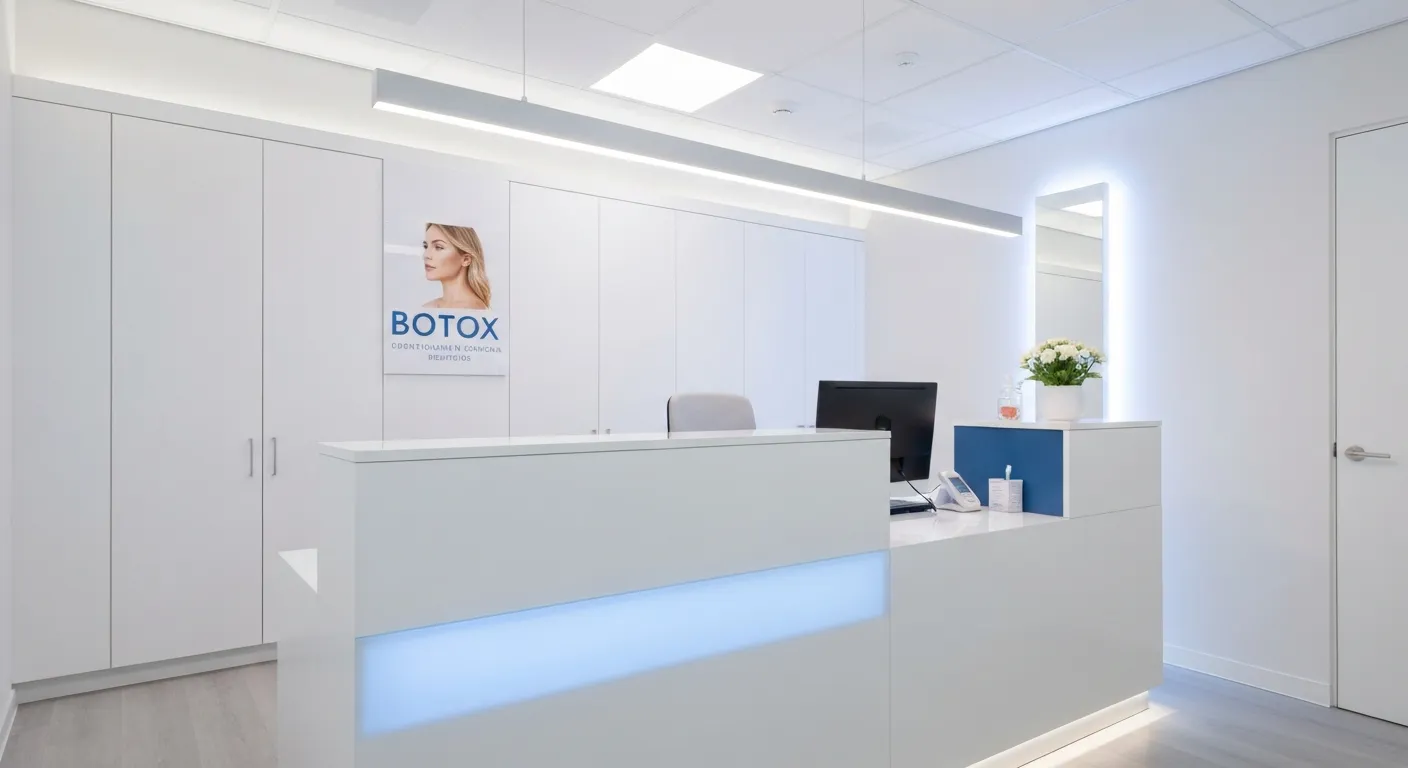
Personalized aesthetic medicine tailors treatments to individual patient needs, focusing on unique skin types, concerns, and aesthetic goals. This approach improves natural beauty by combining various techniques such as Botox, fillers, laser therapies, and skincare products. Practitioners integrate advanced technology like AI-driven skin analysis and augmented reality to design customized, data-driven plans that enhance treatment precision and patient satisfaction.
Individualized treatment plans begin with comprehensive consultations assessing skin condition, lifestyle, and medical history. These plans consider dynamic facial assessments and patient preferences to optimize safety and efficacy. Combining treatments such as neuromodulators with energy-based therapies allows for better volume restoration, wrinkle reduction, and rejuvenation. Ongoing reassessment and holistic care promote natural results and long-term confidence, making patients active partners in their aesthetic journey.
The medical aesthetics industry is booming, with an estimated annual growth rate of 14% until 2026. Minimally invasive procedures like Botox, Dysport, and fillers are gaining popularity for enhancing appearance and boosting psychological wellbeing. Innovations such as PRF Gel and personalized gene editing point to future trends emphasizing effective, patient-specific therapies. Platforms supporting practitioners, such as CloudMedspas, foster professional growth and expanded treatment access, making personalized aesthetic care more widespread than ever.
Successful aesthetic treatments begin with a thorough assessment of the patient. This includes detailed evaluation of facial anatomy, skin type, and dynamic facial movements. Such a full facial assessment goes beyond just identifying problem areas; it involves understanding symmetry, balance, and how various aspects of the face interact during expressions. Active listening in patient care forms a critical part of this process, ensuring that patient concerns and goals are clearly understood to build trust and satisfaction.
Effective personalization also means considering individual factors like age, skin concerns, lifestyle, and aesthetic goals. For instance, different anatomical structures or muscle patterns, such as variations in the frontalis muscle, require tailored botulinum toxin techniques for safety and optimal results. Holistic elements such as Nutrition and wellness for beauty and Mindful eating and stress management further enhance long-term outcomes by promoting overall skin health and patient well-being.
Advancements in technology have transformed personalized care in aesthetics. Tools like Advanced AI skin analysis and sophisticated skin analysis systems enable practitioners to obtain precise, data-driven insights about each patient's skin profile. These innovations facilitate treatments that are highly customized, maximizing effectiveness while minimizing risks. Augmented reality in aesthetic care enhances patient experience by helping visualize potential results, empowering patients to make informed choices aligned with their unique features and desires.
Together, comprehensive assessment, individualized factors, and cutting-edge technology form the foundation of modern Personalized aesthetic treatments, enabling treatments that enhance natural beauty and patient confidence.

Modern medical aesthetics offer a variety of advanced treatments designed to effectively rejuvenate and enhance the face. Among the most popular are Sculptra collagen stimulation, Botox aesthetic treatments, and other neuromodulators like Dysport facial enhancement and Jeuveau filler benefits. Sculptra works by stimulating collagen production, creating natural and long-lasting improvements in facial volume and skin texture. Botox and neuromodulators target muscle activity to reduce wrinkles and expression lines, delivering a smoother, more youthful appearance.
Combining multiple aesthetic treatments often leads to superior outcomes. For example, integrating fillers with neuromodulators addresses both volume loss and muscle-induced wrinkles simultaneously. Additionally, energy-based treatments can complement injectables by improving skin tone and texture. This holistic approach enables practitioners to tailor treatment plans precisely to each patient's needs, ensuring more natural and long-lasting results while improving patient satisfaction and retention. This approach reflects the 360° approach to patient care and emphasizes personalized aesthetic treatment plans.
Emerging technologies like Broadband Light Therapy benefits (BBL) and Platelet-Rich Fibrin Gel injections represent breakthroughs in personalized aesthetic medicine. BBL uses light energy to treat skin pigmentation, reduce redness, and promote skin rejuvenation. PRF Gel injections harness growth factors from the patient’s own blood to enhance healing and tissue regeneration, offering a natural way to improve skin quality. Together, these innovations expand the options for customized, effective treatments that tap into the body’s biology for lasting benefits.

Patients frequently report that aesthetic treatments significantly boost their self-confidence. For example, Sarah, a professional patient, shared that after receiving Botox aesthetic treatments, she felt more self-assured in her personal and professional life. Similarly, John experienced a rejuvenation and renewed energy following Sculptra collagen stimulation injections, which stimulated his natural collagen and enhanced facial volume. These patient testimonials Botox emphasize how treatments not only improve appearance but contribute positively to patients' emotional well-being and self-esteem.
The primary motivations behind pursuing aesthetic procedures include increasing confidence and addressing signs of aging. Studies indicate that around 66.7% of patients undergo treatments to feel more confident, while 63.9% aim to counteract aging effects. Other key drivers are the desire to reduce self-consciousness and enhance attractiveness. Importantly, patients often seek treatments that yield natural results and meet realistic expectations to avoid dissatisfaction or feeling unlike themselves. These insights reflect the psychological motivations for injectable treatments and the patients' confidence improvement as treatment motivation.
Minimally invasive cosmetic procedures contribute to improved quality of life beyond physical appearance. Patient-reported outcomes using tools like FACE-Q reveal enhanced psychological and social well-being. Post-treatment effects include increased happiness with appearance, elevated confidence, and reduced social anxiety. Combined therapies, such as dermal fillers paired with neuromodulators, often provide superior psychological benefits and can lead to a perception of looking several years younger. This holistic improvement supports greater social engagement and overall life satisfaction as demonstrated in cosmetic procedures and self-esteem research.

The 360° approach to patient care to facial rejuvenation is a comprehensive, patient-focused strategy that emphasizes treating the whole person rather than just isolated concerns. It integrates an extensive facial assessment that considers dynamic movements like smiling and talking, symmetry, balance, and the interplay of light and shadow on the face. This model combines multiple treatment options, including fillers and neuromodulators, and energy-based aesthetic treatments, to achieve harmonious and natural results.
Active listening plays a critical role in understanding each patient's unique needs, concerns, and aspirations. Building trust through open communication fosters a comfortable environment where patients feel valued and heard. This strong quality patient–HCP relationship ensures treatments align closely with personal goals, increasing satisfaction and adherence to care plans.
Long-term treatment plans under the 360° approach to patient care model are personalized and adaptable. These plans anticipate changes in the aging process and lifestyle, allowing adjustments that maintain natural, graceful aging rather than dramatic alterations. They promote ongoing care rather than one-time fixes, reinforcing sustained well-being and patient confidence.
By embracing a holistic and individualized approach, aesthetic providers help patients age beautifully with results tailored to their distinct facial anatomy and lifestyle.
The frontalis muscle, which controls forehead movements, varies significantly between individuals. This anatomical diversity affects how forehead lines form and how treatments should be tailored. Variations can include differences in muscle shape, thickness, and location of muscle borders. Recognizing these differences is crucial for maximizing treatment effectiveness while minimizing side effects like eyebrow drooping. This aligns with research on Personalized frontalis muscle treatment.
The LADs technique combines anatomical knowledge with nerve pathway mapping to guide precise botulinum toxin injections. By targeting specific muscle areas with strategic injection points, providers can reduce the risk of toxin spreading to unintended muscles. This approach enhances wrinkle reduction outcomes and promotes a natural, balanced appearance. The importance of Botulinum toxin injection strategies including the LADs method has been documented in effective clinical protocols.
Ultrasound imaging has become a valuable tool for visualizing the exact location and depth of the frontalis muscle beneath the skin. This allows clinicians to tailor injections precisely to individual anatomy, improving safety and efficacy. Ultrasound guidance helps avoid complications and supports the customization of treatment plans to patient-specific muscle structures. This technique is part of advanced Tailored botulinum toxin forehead treatments.
Together, knowledge of frontalis muscle anatomy, the use of specialized injection techniques like LADs, and ultrasound imaging form the foundation of personalized aesthetic care. These advances ensure patients receive natural, effective results with minimal risk, reflecting a personalized approach to aesthetic care.

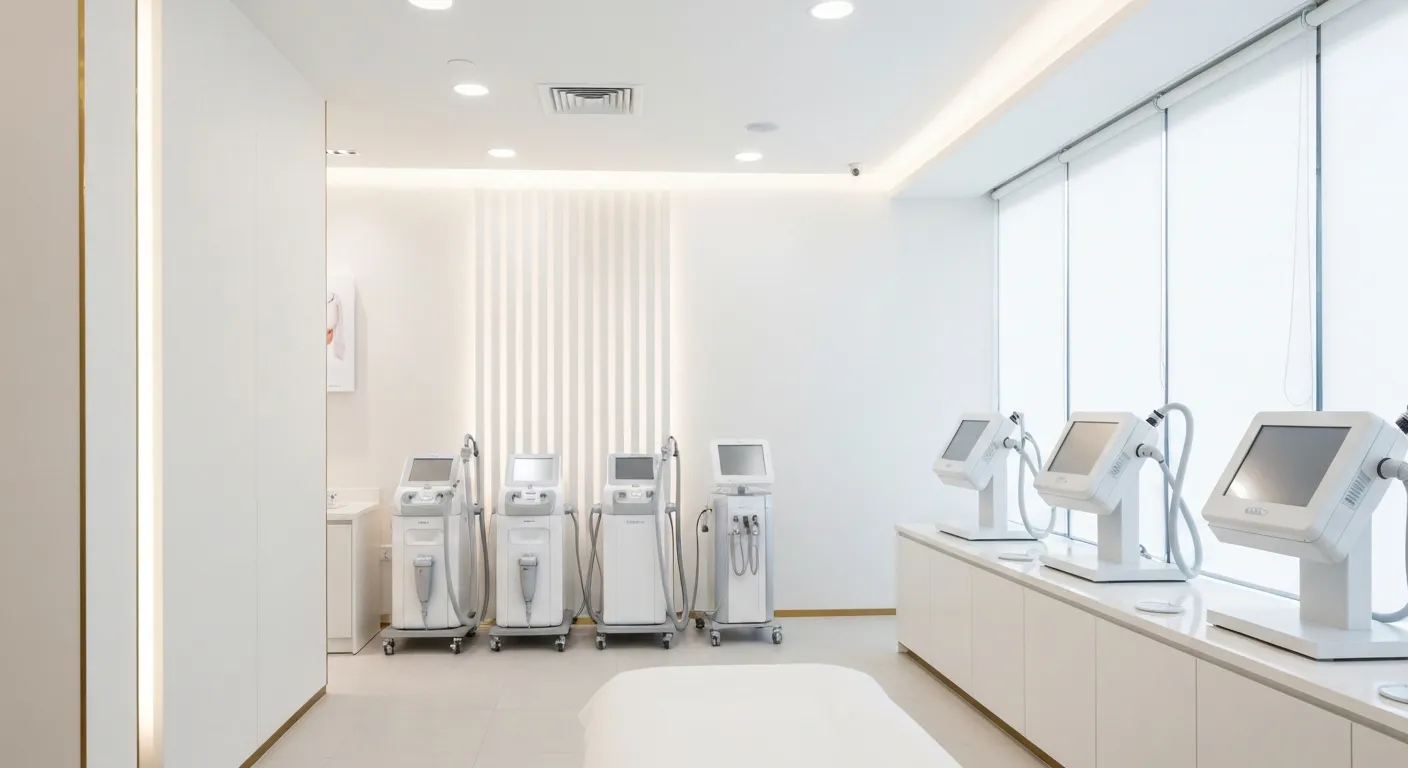
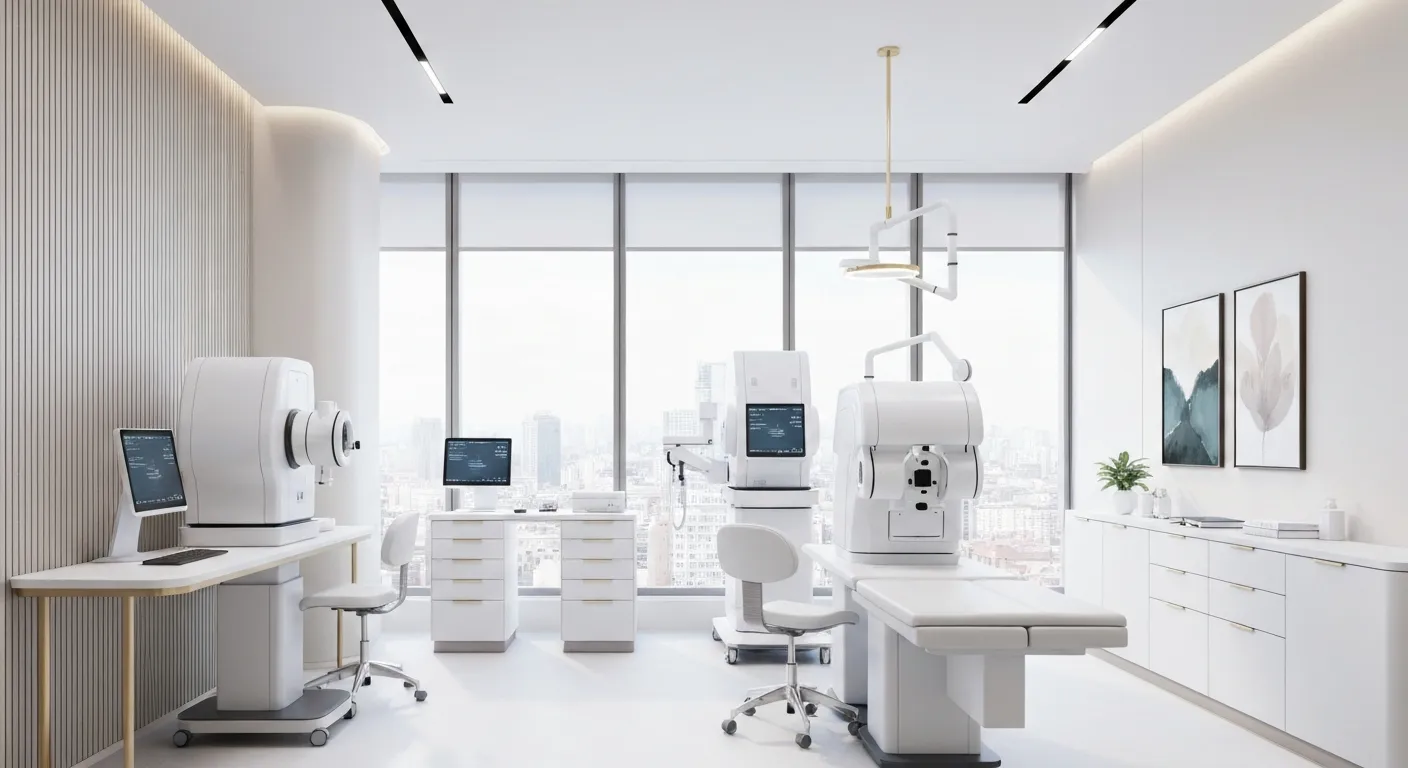
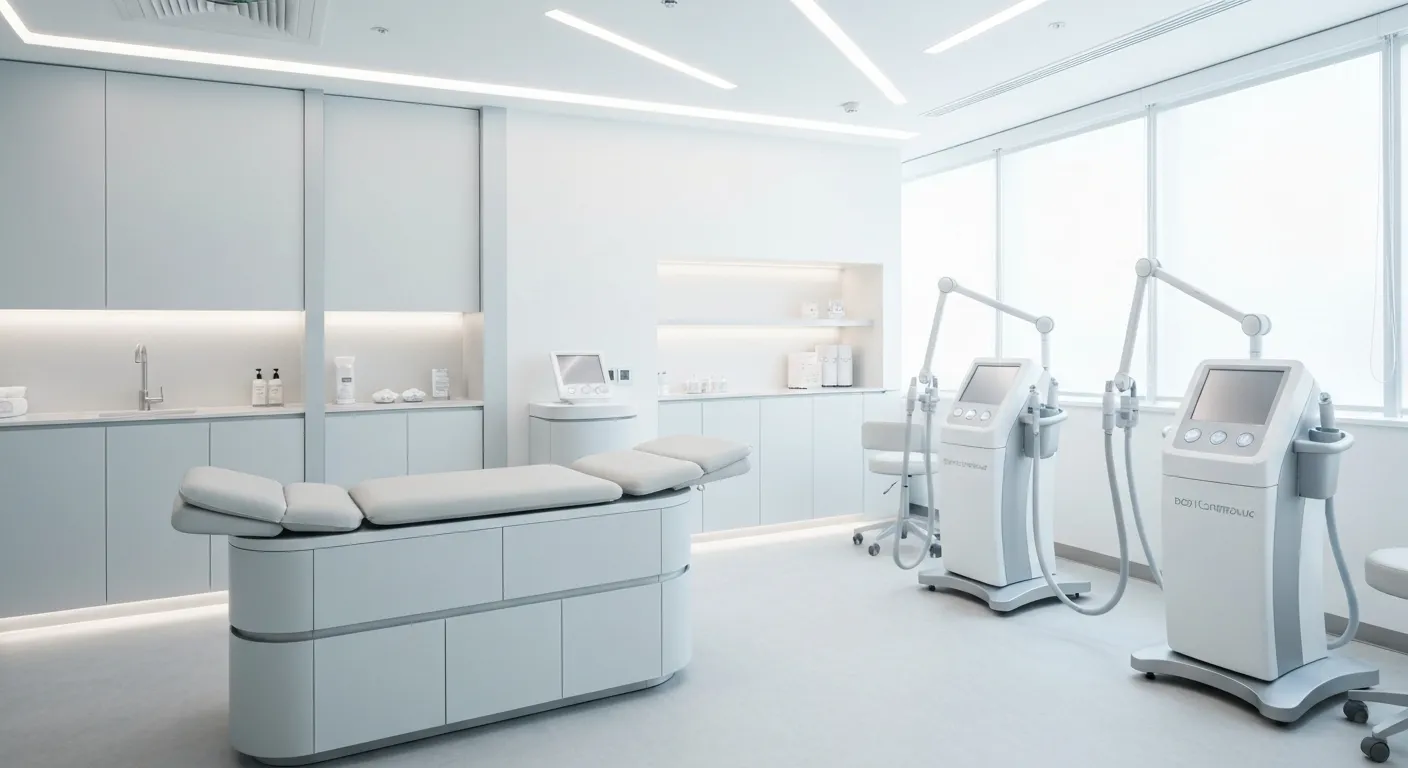
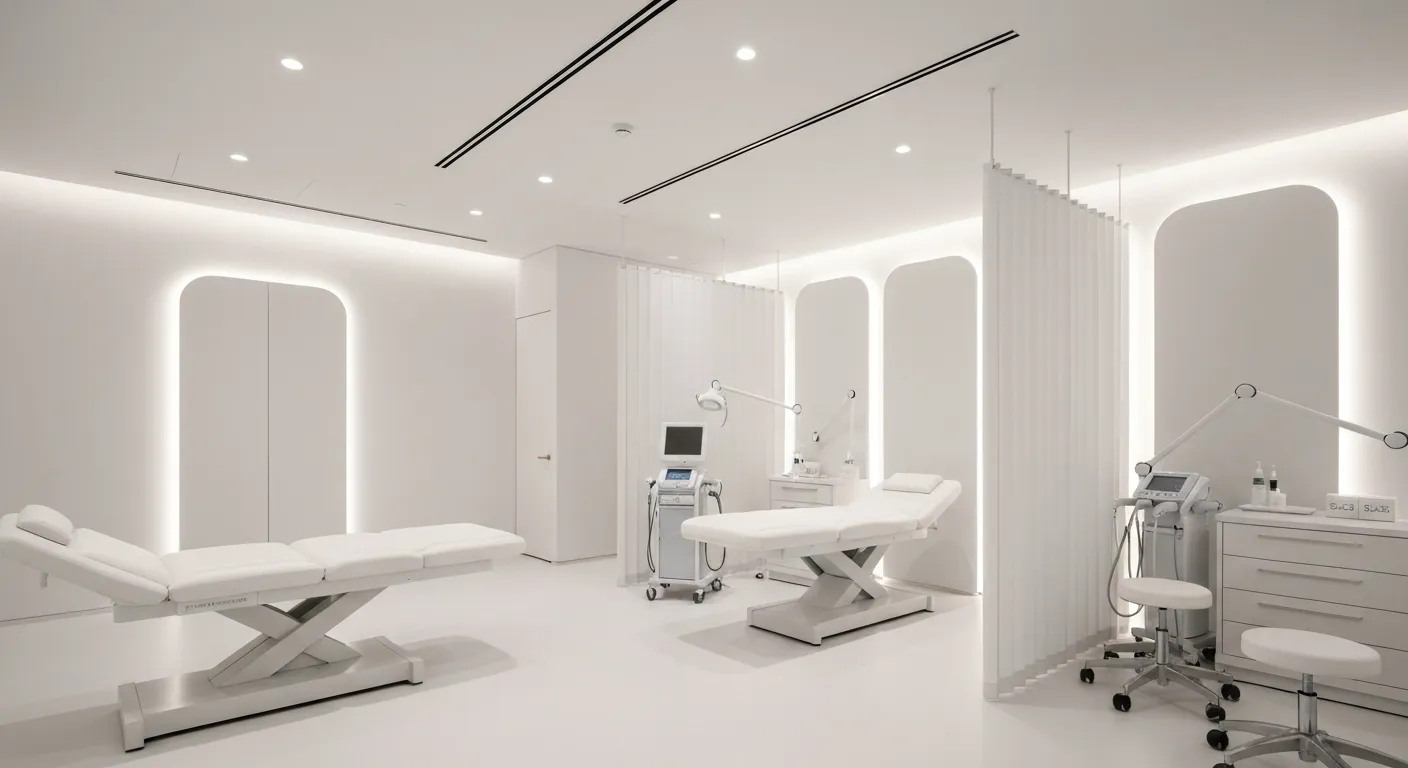
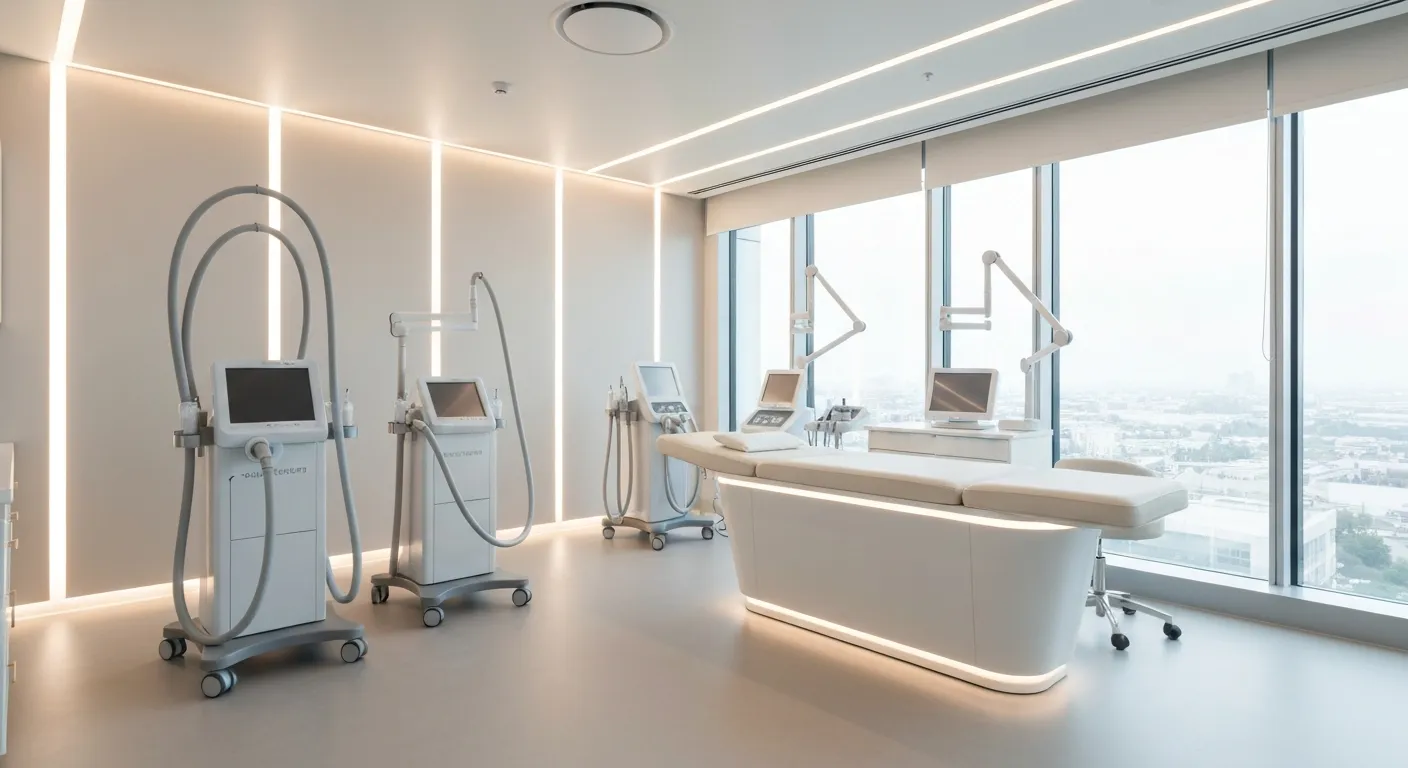
CloudMedspas offers a unique rental-based business model that allows aesthetic practitioners to access a wide range of advanced treatment devices without the burden of ownership. This model provides practitioners with the flexibility to offer various services, including skin rejuvenation treatments, wrinkle reduction solutions, and lip enhancement procedures, from a professional workspace well-equipped with the latest technology.
The platform fosters a vibrant community where providers, founders, and representatives collaborate and support one another. It emphasizes professional growth by encouraging education and mentorship, as exemplified by educators like Lee Manley’s career in aesthetic medicine who train and guide emerging providers. This collaborative atmosphere ensures that practitioners stay informed about innovations in aesthetic technology and best practices.
By granting access to multiple devices and treatment options, CloudMedspas enables practitioners to create comprehensive aesthetic treatment plans tailored to individual patient needs. This approach leads to higher client satisfaction and increased self-confidence. The model also promotes practitioner growth by offering scalability opportunities, such as Expansion and franchise plans, which helps expand their business and professional reach.
Designing an effective Personalized aesthetic treatment plans starts with a thorough initial consultation. During this session, a qualified specialist assesses the patient's skin condition, discusses aesthetic goals, reviews medical history, and considers lifestyle factors. Following diagnosis, tailored treatments are selected that may combine injectables, laser therapies, skincare products, or Customized facials and chemical peels, depending on the individual's needs.
The initial consultation establishes a foundational understanding of the patient's unique skin type, concerns, and expectations. Accurate diagnosis ensures the most appropriate treatments are chosen, optimizing safety and results. Ongoing review and adjustment of the plan ensure treatments adapt to changes from aging, environment, or lifestyle, enhancing long-term effectiveness. This approach is part of Personalized aesthetic treatments emphasizing ongoing patient reassessment.
Active patient participation is crucial for success. Patients must follow recommendations, attend follow-ups, and communicate openly about their experiences and any concerns. Effective communication builds trust and allows practitioners to personalize care, avoid risks, and improve satisfaction. This partnership fosters realistic expectations and fosters continuous improvement in aesthetic outcomes, aligning with principles of Personalized approaches in aesthetic medicine and psychological motivations for injectable treatments.
Personalized medicine is evolving rapidly with groundbreaking innovations like gene editing, which allow treatments to be tailored to an individual's unique genetic makeup. Techniques such as Personalized CRISPR gene editing therapy, which enable precise correction of genetic defects, potentially revolutionizing care for rare diseases and conditions previously considered untreatable.
A remarkable example is the Personalized CRISPR gene editing therapy used in 2025 to treat KJ, a child diagnosed with CPS1 deficiency metabolic disorder, a rare metabolic disorder. This custom-designed treatment used Base editing therapy via lipid nanoparticles to deliver base editing tools directly to the liver, targeting KJ's specific genetic mutation. The intervention improved functional outcomes like Increased dietary protein tolerance and reduced reliance on medications traditionally required for the disorder. This success showcases the promise of harnessing gene editing to address rare, life-threatening conditions with Customized treatments for rare diseases with customized approaches.
The success of personalized gene editing highlights the potential to transform medicine beyond aesthetics by:
As personalized medicine continues to expand, it paves the way for treatments that consider individual biology, lifestyle, and genetics, moving healthcare from a one-size-fits-all model to highly tailored care.
Personalized aesthetic medicine focuses on tailoring treatments to the unique needs, characteristics, and goals of each patient. This patient-specific care improves treatment effectiveness and satisfaction while minimizing risks. Customized plans often combine various methods such as neuromodulators, fillers, laser therapies, and skincare, adjusted over time as skin changes. By assessing factors like skin type, age, lifestyle, and aesthetic goals during initial consultations, specialists can devise long-term, adaptable strategies that foster natural, graceful aging.
Aesthetic treatments designed around the individual bring more than physical enhancement; they boost confidence, encourage self-expression, and support psychological wellbeing. Studies show patients enjoy greater life satisfaction and social engagement after such tailored care. Open communication and trust between patient and practitioner play a vital role, ensuring realistic expectations and comfort throughout the journey.
The future of aesthetic medicine embraces advanced technologies like AI skin analysis and personalized injections guided by anatomical mapping. These innovations enable highly precise treatments that respect individual anatomy and promote authenticity over standardized solutions. The ongoing shift toward embracing unique beauty and authenticity offers a vision of patient care that celebrates individuality while delivering scientifically advanced, holistic rejuvenation.
Where real stories, expert insights, and little self-care secrets come together. A calm corner of the internet made for anyone who wants to feel good in their own skin - not just look good.
.jpg)
Beyond serums and lasers lies something quieter: the ritual of caring for yourself without guilt. This article explores why self-care routines matter just as much as any in-clinic procedure. Readers discover how consistent, simple choices — water, rest, boundary-setting, nourishing skin rituals — can keep results.

.jpg)
Not every treatment is about transformation — many are about returning to your natural expression. Here we break down the subtle side of aesthetics: soft hydration, micro-touches, gentle collagen boosts. It’s a guide to choosing treatments that make you look like you had a week-long vacation, not a redesign.
.jpg)
Your skin is constantly whispering clues - about stress, sleep, hormones, even the way you breathe. This article invites readers to slow down and listen. We explore how tiny changes in daily habits shape complexion, why “glow” is an inside job, and how professional treatments simply amplify what’s already possible when the body feels safe, rested, and supported.
.svg)
.svg)


.svg)