
Unlock Your Glow: Essential Hydration and Nutrition Strategies for Radiant Skin
.png)
Julia Buliga
December 8, 2025
Proper hydration is essential for maintaining skin's elasticity and suppleness, which helps the skin look plump, smooth, and radiant. When skin is adequately hydrated, it functions better — healing faster, reducing inflammation, and avoiding dryness or flakiness. Dehydrated skin may feel tight, look dull, and develop fine lines or redness. Drinking at least eight glasses of water daily and consuming water-rich foods like cucumber and watermelon support this internal hydration.
Nutrition plays a vital role in skin health. Vitamins such as A, C, and E help repair skin, promote collagen production, and protect from oxidative stress. Healthy fats, especially omega-3 fatty acids found in fish and nuts, maintain the skin's lipid barrier, keeping it moisturized and reducing inflammation. Zinc supports healing and regulates oil production. Eating a balanced diet rich in colorful fruits, vegetables, lean proteins, and healthy oils enhances the skin’s natural glow and resilience.
Hydration and nutrition work hand-in-hand with topical skincare. Humectants like hyaluronic acid attract moisture to the skin's surface, while moisturizers containing lipids help seal in hydration and reinforce the skin barrier. Using sunscreens protects against moisture loss and environmental damage. Combining a nutrient-rich diet and adequate water intake with gentle, hydrating skincare products creates a comprehensive approach to achieving and maintaining radiant, healthy skin.

A fundamental step in maintaining healthy, hydrated skin is ensuring you drink enough water. Experts recommend consuming at least eight glasses of water each day to support the skin's moisture needs from within (drinking water for skin health, Drinking Water for Skin Health, daily water intake for skin hydration).
Water plays a critical role in flushing toxins from the body, which can help reduce skin problems like acne and inflammation. Improved toxin elimination contributes to a clearer, more radiant complexion (Water Supports Detoxification for Skin, Water and Toxin Removal, Water flushing out toxins).
Adequate hydration by drinking water improves skin elasticity and suppleness. Properly hydrated skin appears plumper and firmer, reducing the appearance of fine lines and making the skin feel softer and smoother (Hydration Maintains Skin Elasticity, Hydration and Skin Elasticity, hydration and skin elasticity).
In addition to drinking fluids, consuming water-rich foods such as cucumbers, watermelon, leafy greens, and oranges significantly boosts skin hydration. These foods supply additional moisture and vital nutrients that support cellular health and skin's natural barrier function (Hydrating Foods for Skin, Eating water-rich foods for skin hydration, Water-rich foods for radiant skin).
Maintaining consistent and sufficient water intake, combined with a diet rich in hydrating fruits and vegetables, creates a strong foundation for healthy, glowing skin.

Humectants attract and bind water to the skin, boosting its moisture levels. Common effective humectants include hyaluronic acid benefits, glycerin in skincare, and Pro-vitamin B5 and Skin Hydration (panthenol). Hyaluronic acid is notable for its ability to hold many times its weight in water, providing long-lasting hydration. Glycerin penetrates deeply to replenish moisture, while panthenol supports the skin's barrier formation and hydration.
Ceramides and fatty acids are types of lipids that help form and maintain the skin's natural barrier. By trapping water inside the skin and preventing moisture loss, they maintain skin softness and suppleness. Ceramides make up a significant portion of the skin's lipids and play a vital role in sealing hydration, especially when combined with fatty acids and cholesterol.
Applying hydrating serums such as those containing hyaluronic acid on slightly damp skin enhances their moisture-attracting ability. Following this, sealing in the hydration with moisturizers rich in lipids like ceramides locks the water inside. This layering technique maximizes skin hydration and barrier repair, helping maintain a plumper, smoother complexion.
Weekly hydrating face masks enriched with natural emollients like honey for skin moisture, shea butter moisturizing, coconut oil for hydration, aloe vera for hydration, and vitamins A, C, and E for skin deeply replenish moisture. These masks soothe the skin, enhance elasticity, provide antioxidants, and restore radiance. They are a valuable addition to skincare routines, offering an instant boost to skin hydration and softness.
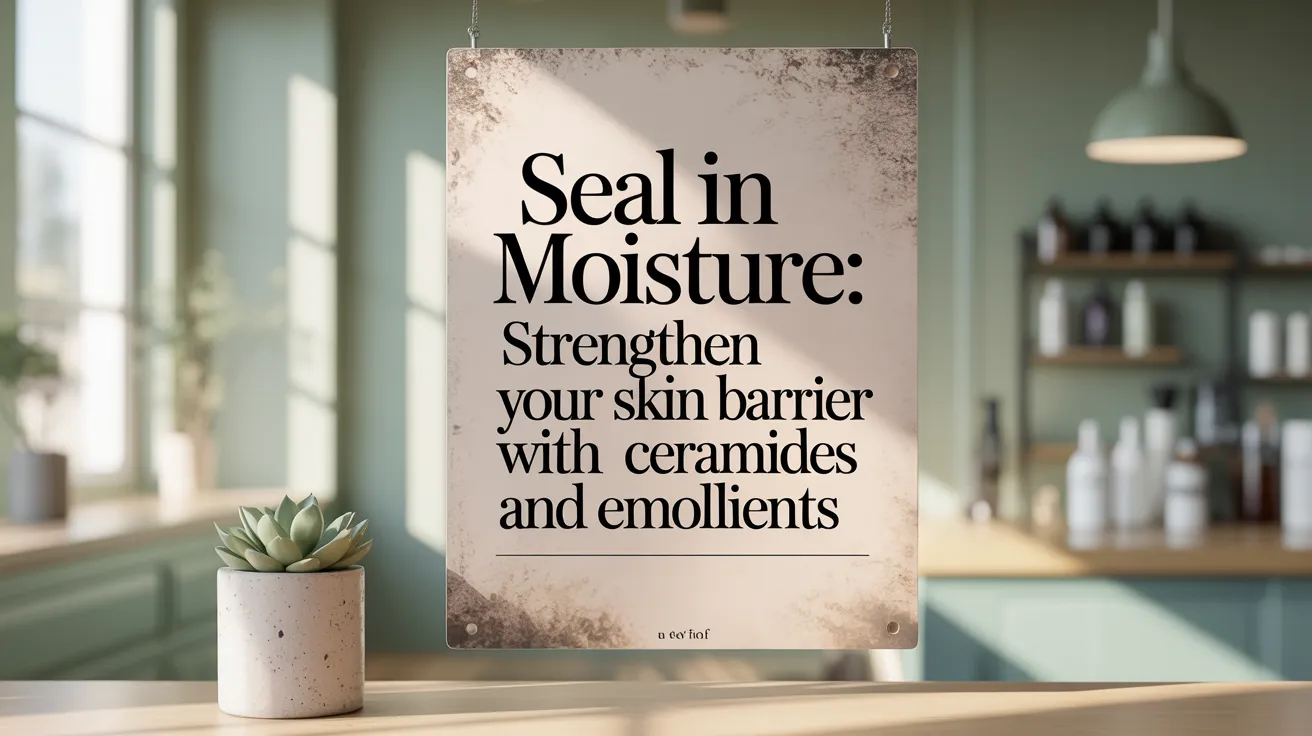
Lipids in the skin form a protective barrier that traps water within skin cells, helping to retain moisture and prevent dehydration. This barrier is essential to keeping the skin supple and resistant to environmental damage. Without sufficient lipids, water escapes easily, leading to dryness and discomfort. For more on the Functions of Lipids in Skin Barrier, see this resource.
Ceramides, fatty acids, and cholesterol are crucial lipids naturally found in the skin. Ceramides compose about 50% of skin lipids and create structural layers that lock water inside. Fatty acids help maintain this barrier's integrity, while cholesterol contributes to skin flexibility and regeneration. Together, they ensure the skin remains hydrated, smooth, and less prone to irritation. Learn about the Role of Ceramides in Skin and the Importance of Skin Hydration.
Moisturizers act as emollients by delivering these lipids to the skin surface, effectively sealing in hydration from humectants like hyaluronic acid. Regular use of moisturizers can increase skin hydration by up to 28% over several weeks and strengthen the skin barrier against moisture loss. See more about moisturizers and skin moisture and Role of Hydration in Skin Health.
For best results, apply moisturizers on slightly damp skin after gentle cleansing and before exposure to dry environments. Layering lipid-rich creams and using occlusives such as shea butter or dimethicone can further lock in moisture. Nighttime application of richer creams supports skin repair and reduces water loss during sleep. Guidance on Using humidifiers for skin and gentle cleansers for skin can assist in enhancing moisturization effects.
Vitamins A, C, and E for skin repair. Vitamins A, C, and E for skin are essential for healthy skin. Vitamin A supports skin cell turnover and repair, helping to prevent dry, flaky skin. Vitamin C is crucial for collagen synthesis, promoting firm, youthful skin while acting as a powerful antioxidant that protects against free radical damage. Vitamin E complements Vitamin C by shielding skin from oxidative stress caused by environmental factors.
Omega-3 fatty acids for skin hydration found in fatty fish like salmon, walnuts, and flaxseeds play a vital role in maintaining the skin's lipid barrier. This barrier locks in moisture and helps reduce inflammation. A strong lipid barrier keeps the skin hydrated, supple, and less prone to irritations or conditions like acne and eczema.
Zinc is a vital mineral that supports wound healing, regulates oil production, and reduces inflammation. This makes it particularly beneficial for managing acne and promoting overall skin repair. Sources of zinc include shellfish, pumpkin seeds, chickpeas, and lentils.
Proteins provide the building blocks for collagen and elastin, which are crucial for maintaining skin strength and elasticity. Adequate protein intake supports skin regeneration and repair, helping to keep skin firm and resilient.
Processed sugars and unhealthy fats can accelerate skin aging and lead to inflammation. Diets high in refined sugars and trans fats contribute to collagen damage and skin issues like breakouts and dullness. Limiting these foods helps maintain skin's youthful appearance and function.
Maintaining a nutrient-rich diet that balances these elements supports skin hydration, elasticity, and overall health, leading to a glowing, resilient complexion.
Selecting a gentle cleanser for skin appropriate for your skin type is essential to maintaining hydration. For dry or sensitive skin, skin hydration tips non-foaming cleansers are ideal; oily skin benefits from mild gel or foaming options that do not overly strip oils. Avoid cleansers with harsh ingredients like sulfates and fragrances as they can weaken the skin’s moisture barrier.
Hot water depletes natural oils from the skin, leading to dryness and irritation. Use skin hydration tips to protect your skin’s hydrating lipids. Physical scrubs or aggressive exfoliants can damage the skin barrier and cause moisture loss. Opt for gentle exfoliation benefits and limit it to no more than 1-2 times per week.
Gentle exfoliation benefits helps removing dead skin cells that block moisturizers from penetrating. Chemical exfoliants like AHAs are preferred over rough scrubs, supporting smooth, hydrated skin without compromising the barrier.
Daily application of broad-spectrum sunscreen for moisture with at least SPF 30 shields skin from UV damage, preventing barrier disruption and excessive transepidermal water loss. Wearing sunscreen consistently preserves hydration and prevents premature aging.
Maintaining a balanced cleansing routine with mild products, controlled exfoliation, lukewarm water, and sunscreen supports a healthy, hydrated skin barrier and radiant complexion.

Dry indoor air, especially during colder months or in air-conditioned environments, can strip the skin of its moisture, leading to dehydration and irritation. Using a using humidifiers for skin to keep indoor humidity levels between 30-50% adds vital moisture to the air. This prevents excessive transepidermal water loss, helping the skin stay supple and hydrated. Humidifiers can also reduce symptoms like tightness and flakiness caused by dry heat.
Using broad-spectrum sunscreen with SPF 30 or higher protects the skin from UVA and UVB rays, which can damage the skin barrier and accelerate moisture loss. UV exposure not only leads to photoaging but also impairs skin’s ability to retain hydration, causing dryness and fine lines. Applying sunscreen daily—even on cloudy days—and reapplying every two hours when outdoors is essential to maintain the skin’s moisture balance and prevent dehydration.
Indoor heating systems lower humidity, drying out the skin and disrupting its lipid barrier. This can cause increased sensitivity, redness, and scaling. To combat this, avoid prolonged exposure to dry heat, use moisturizers rich in ceramides and fatty acids to reinforce the skin barrier, and complement skincare with hydrating serums containing hyaluronic acid benefits or glycerin in skincare. Keeping rooms moderately humidified with a humidifier is beneficial.
Adequate sleep (7-9 hours) supports skin repair and strengthens the moisture barrier. Stress management through meditation, mindfulness, or yoga reduces cortisol levels, which otherwise increase oil production and inflammation that can disrupt hydration. Regular exercise improves blood circulation, delivering oxygen and nutrients that enhance skin health and hydration. Combined, these habits help maintain a resilient, hydrated complexion.
Maintaining maintaining indoor humidity, protecting skin from protection from sun exposure, minimizing dry heat exposure, and adopting healthy habits for glowing skin together form a comprehensive approach to preserving skin hydration and preventing dehydration-related skin issues.
Incorporating hydrating fruits and vegetables into your diet is an effective way to support hydrating skin from within. Fruits and vegetables such as cucumber, watermelon, and berries contain high water content, which helps hydrate skin cells and maintain skin hydration and vibrant complexion. These foods also provide antioxidants like Vitamins C and E for skin protection, which protect the skin from environmental damage and aid collagen production.
Healthy fats for skin barrier play a critical role in maintaining the skin’s moisture barrier. Sources such as nuts, seeds, avocados, and fatty fish like salmon provide omega-3 fatty acids for skin hydration that support skin hydration and reduce inflammation. These fats improve skin elasticity and help prevent moisture loss.
Substances like caffeine and alcohol can contribute to skin dehydration by increasing fluid loss. Limiting their intake and balancing with ample water and water-rich foods for radiant skin can prevent dryness and dullness. Using a humidifier in dry environments also helps maintain skin moisture.
Getting 7 to 9 hours of quality sleep each night is essential for Sleep and skin health. Additionally, managing stress through mindfulness, exercise, or relaxation techniques for skin health reduces cortisol levels, which in turn supports healthier skin and fewer signs of dehydration.
By combining these dietary and lifestyle habits, you can enhance your skin's hydration naturally, leading to a healthier, more glowing complexion.
Maintaining radiant skin requires blending internal and external care strategies. Drinking at least eight glasses of water daily and consuming water-rich foods like cucumbers and watermelon support hydration from within. Nutrient-dense foods rich in vitamins A, C, and E, omega-3 fatty acids, zinc, and healthy fats enhance skin repair, elasticity, and protection against environmental damage.
Consistency in hydration and nutrition routines is crucial. Tailoring your skincare and diet to your unique skin type and needs ensures optimal efficacy. Personalized approaches that consider seasonal changes, skin sensitivity, and lifestyle promote resilient and glowing skin.
Combining a balanced diet with hydrating skincare products—such as serums with hyaluronic acid and moisturizers featuring ceramides—creates a powerful synergy. Internal nutrition fuels skin health at the cellular level, while external products protect and lock in moisture, resulting in supple, firm, and youthful skin.
Commit to this holistic approach, blending nourishing foods, adequate water intake, and careful skincare for lasting skin radiance and health.
Where real stories, expert insights, and little self-care secrets come together. A calm corner of the internet made for anyone who wants to feel good in their own skin - not just look good.
.jpg)
Beyond serums and lasers lies something quieter: the ritual of caring for yourself without guilt. This article explores why self-care routines matter just as much as any in-clinic procedure. Readers discover how consistent, simple choices — water, rest, boundary-setting, nourishing skin rituals — can keep results.

.jpg)
Not every treatment is about transformation — many are about returning to your natural expression. Here we break down the subtle side of aesthetics: soft hydration, micro-touches, gentle collagen boosts. It’s a guide to choosing treatments that make you look like you had a week-long vacation, not a redesign.
.jpg)
Your skin is constantly whispering clues - about stress, sleep, hormones, even the way you breathe. This article invites readers to slow down and listen. We explore how tiny changes in daily habits shape complexion, why “glow” is an inside job, and how professional treatments simply amplify what’s already possible when the body feels safe, rested, and supported.
.svg)
.svg)


.svg)