Exploring Safe and Effective Methods in Modern Body Sculpting
.png)
Julia Buliga
December 8, 2025
Body sculpting, also known as body contouring, refers to procedures aimed at reshaping specific areas of the body by reducing localized fat deposits and improving skin appearance. Crucially, these treatments focus on contouring rather than overall weight loss or obesity management.
Body sculpting includes both surgical and non-surgical approaches. Surgical procedures, such as liposuction, tummy tucks, and various lifts, physically remove excess fat and skin through incisions and often require anesthesia and longer recovery times.
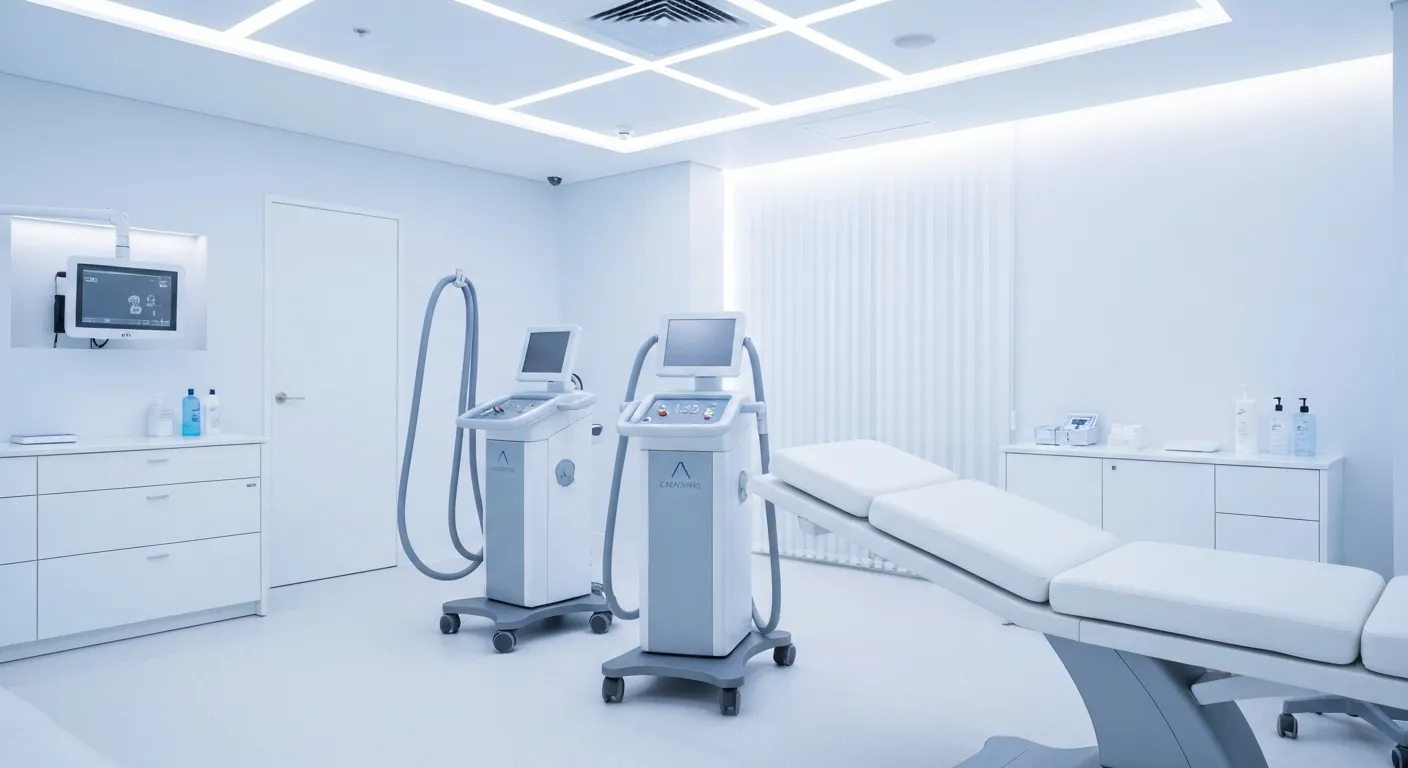
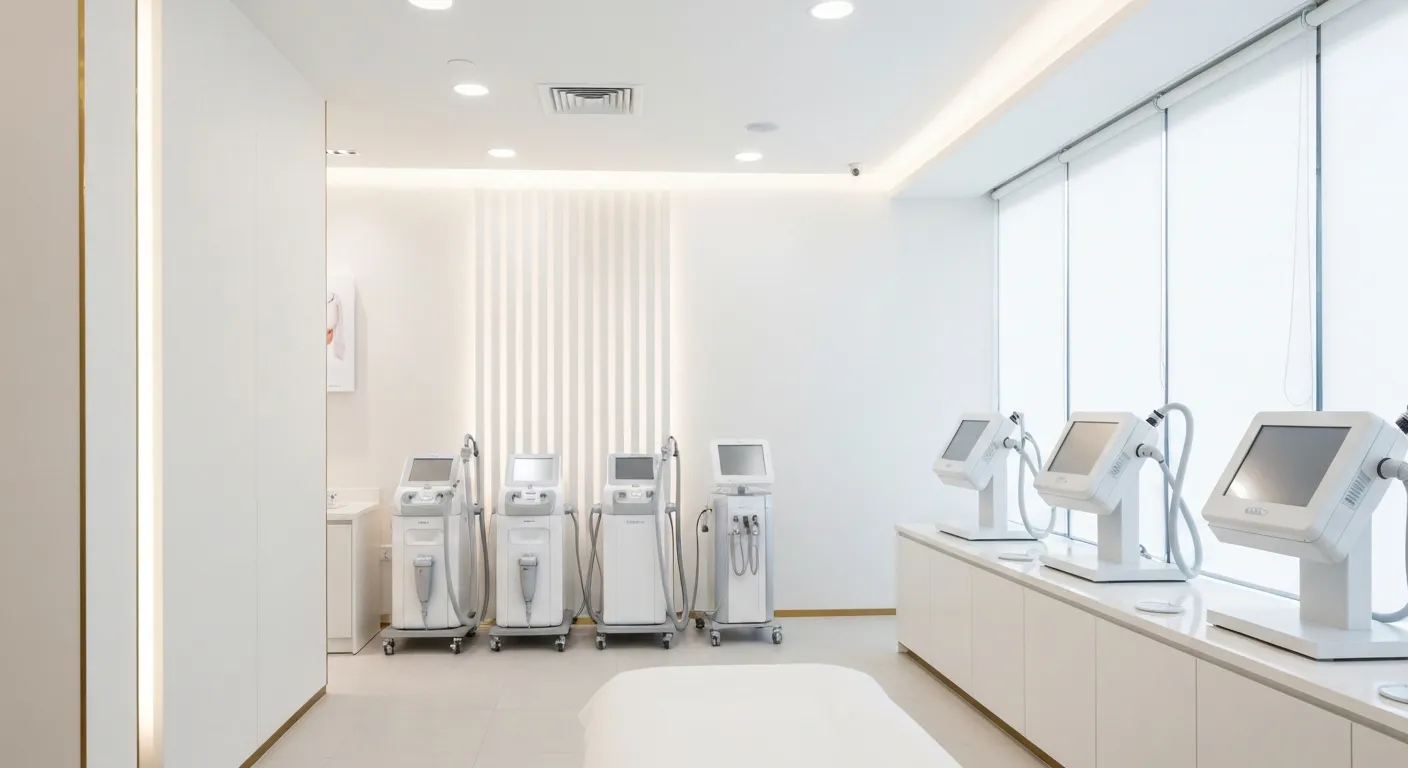
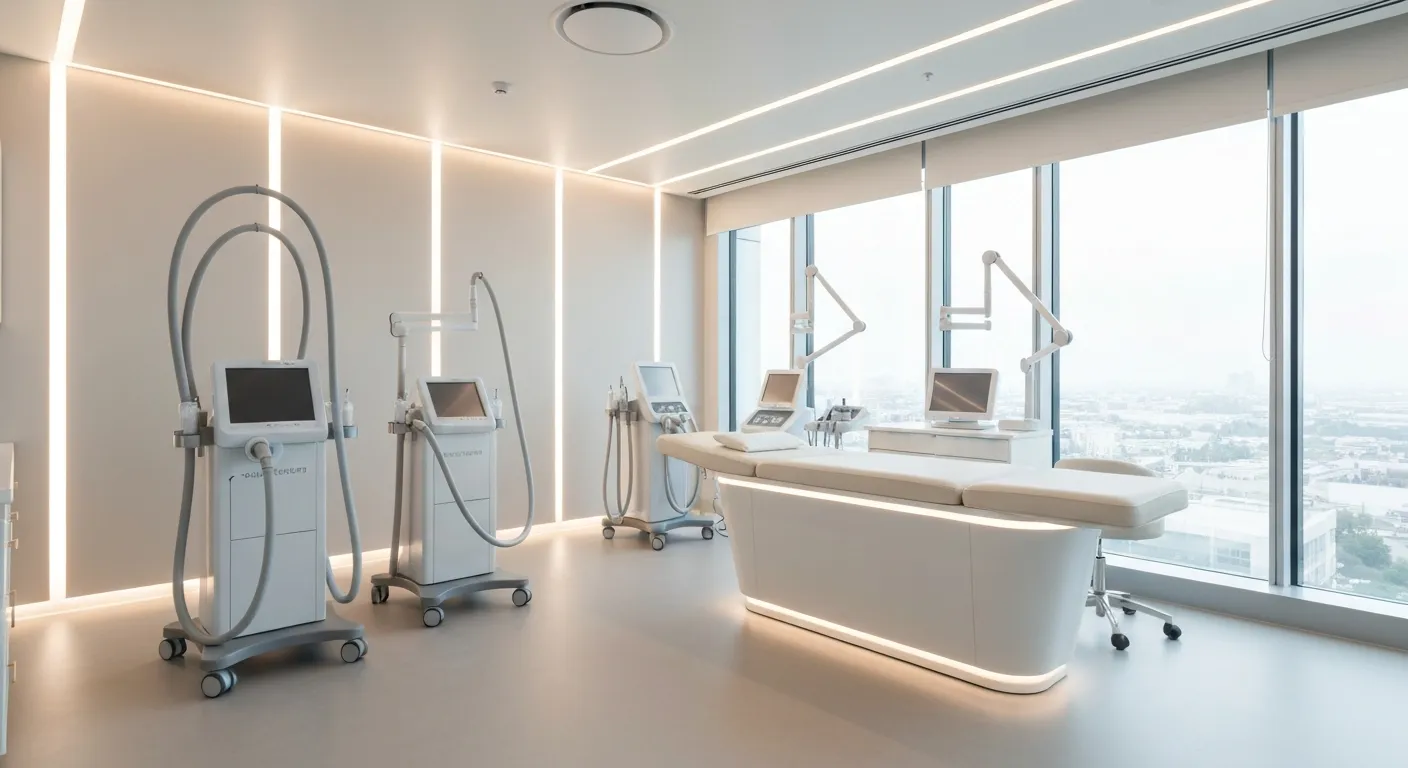
Non-surgical methods, also called nonsurgical lipolysis or body contouring, use technologies like cryolipolysis (fat freezing), laser treatments, ultrasound, and radiofrequency to reduce fat and improve skin tone without incisions. These approaches typically require little to no downtime and gradually produce results over weeks or months.
The primary goal of body sculpting treatments is to improve aesthetic appearance—sculpting and smoothing body contours, reducing small, stubborn fat pockets, and enhancing skin tightness. These treatments are not intended for weight loss or health improvement but serve as cosmetic solutions for individuals who have already achieved or are near their desired weight.

Non-invasive body contouring uses several technologies to reshape the body without surgery. Common methods include:
Each technology targets fat cells differently. Cryolipolysis (Fat Freezing) causes fatty cells to freeze and die without harming surrounding tissue. Heating methods cause fat cell damage through thermal energy, stimulating collagen and skin tightening. Ultrasound ruptures fat cells mechanically, and low-level light therapy induces adipocyte membranes to open, releasing fat content. Magnetic and mechanical methods work indirectly to improve muscle tone or skin appearance rather than destroy fat cells.
These treatments commonly target stubborn fat pockets found on the abdomen, thighs, flanks, upper arms, back, under the chin, and buttocks. Typical fat reduction ranges around 20-25% per treatment area. Results often become visible within a month, with full effects developing over 2-3 months. Multiple sessions may be required to achieve desired contouring.
While fat cell destruction is often permanent in treated areas, results may be temporary if patients gain weight. Many temporary effects of body contouring techniques improve skin tone or cellulite appearance temporarily and require maintenance treatments. Patients should understand that these methods are not weight loss solutions but methods to shape and tone non-responsive areas.

Cryolipolysis targets fat cells by using controlled cooling to freeze and selectively kill these cells without harming surrounding tissue. Fat cells are more sensitive to cold than other cells, leading to their apoptosis (cell death). The body then naturally eliminates the dead fat cells over a period of two to three months, gradually reducing fat in the treated area.
This procedure is FDA-cleared for fat reduction in multiple body areas, including the abdomen, flanks (love handles), thighs, back, upper arms, under the buttocks, and the submental region (under the chin). It is important to note that cryolipolysis is not approved for breast treatment.
A single session usually lasts about 35 to 60 minutes per area. Patients may require multiple treatments spaced weeks apart for optimal fat reduction. Commonly, up to 25% fat reduction per treatment area can be achieved. Results typically become visible within one month, with final outcomes apparent around two to three months post-treatment. The fat reduction achieved is long-lasting provided the patient maintains a stable weight. For more details, see Non-Surgical Fat Reduction.
Mild side effects frequently reported include temporary redness, bruising, swelling, numbness, and skin discoloration at the treatment site, which usually resolve without intervention. Rare but more serious complications include paradoxical adipose hyperplasia (PAH), characterized by an unexpected enlargement of fat in the treated area appearing months after treatment, and may require surgery to correct. Other uncommon risks are prolonged pain, nerve injury, and in very rare cases, hernia formation.
Overall, cryolipolysis is considered an effective and safe non-invasive fat reduction method when performed by qualified providers using FDA-approved devices.
Radiofrequency body contouring uses controlled heating of fat and connective tissue to reduce fat deposits and tighten skin. It stimulates collagen production, leading to skin tightening using radiofrequency and cellulite reduction treatments. RF devices are used particularly on areas like the abdomen and thighs. Treatments typically induce mild warmth and may require several sessions for noticeable results.
Laser fat reduction (SculpSure) apply controlled heat using light-based energy to dismantle subcutaneous fat cells. A common device, such as SculpSure®, is FDA cleared for areas like the abdomen and flanks. Laser treatments are generally quick (about 25 minutes per area) and painless, with visible results typically emerging within 6 to 12 weeks after treatment. Additionally, laser technologies can promote skin tightening.
Ultrasound fat reduction (UltraShape, Liposonix) employs focused high-frequency sound waves to rupture fat cell walls. The technique targets fat pockets through thermal or mechanical disruption. Treatments have no downtime and typically show results within 6 to 12 weeks. However, improper application can cause complications such as burns, pain, redness, blisters, and even nerve damage.
Heat-based body contouring carries possible side effects, including pain, redness, swelling, blisters, burns, and temporary skin discoloration. Eye safety in light-based procedures is important during laser procedures to avoid eye injuries. To minimize risks, treatments should be administered by trained professionals using FDA-cleared devices with appropriate patient screening. Although mild side effects are common and often temporary, rare serious complications can occur, underscoring the need for careful provider selection and adherence to safety protocols.

Low-level light therapy, also called photobiomodulation therapy, uses very low doses of visible light that do not heat the tissue. This technology aims to alter cellular functions to stimulate fat release without destroying fat cells. It is generally considered safe with minimal risks, although patients might experience temporary sensitivity or skin pigmentation changes. Evidence on its effectiveness as a standalone fat reduction method is still limited, but results tend to be mild and modest, often requiring multiple sessions. See Low-level light therapy (Photobiomodulation) for more information.
Magnetic field therapy employs pulsed electromagnetic fields to induce muscle contractions. This stimulation may improve muscle tone and enhance body shaping effects when combined with fat reduction strategies. The therapy is typically painless, with few side effects restricted to muscle soreness or cramps. However, results are usually temporary, and this therapy serves best as an adjunct for muscle toning rather than direct fat reduction. Learn more about Magnetic field therapy for muscle tone.
Mechanical massage or vibration techniques help temporarily improve the appearance of cellulite and contour by encouraging lymphatic drainage and enhancing microcirculation. These methods are non-invasive and carry minimal risks, such as slight pain or bruising. While providing temporary aesthetic benefits, they do not cause permanent fat reduction or substantial body reshaping. See Mechanical massage and vibration treatments for more information.
Combining modalities like cryolipolysis, radiofrequency, low-level light therapy, and shockwave therapy is becoming popular to potentially enhance outcomes. Some studies suggest that pairing these treatments can improve circumference reduction and skin tightening beyond what individual methods achieve. However, robust scientific evidence remains limited, and more research is needed to establish the long-term benefits and safety profile of such combined approaches.
Overall, these emerging and adjunctive technologies expand the toolbox of Non-invasive body contouring, offering options to target fat, skin texture, and muscle tone. Patients should consult healthcare providers to discuss the suitability, expected results, and necessity of multiple sessions to achieve desired outcomes.
Surgical body contouring includes procedures such as tummy tucks (abdominoplasty), lifts, tucks, and liposuction. These surgeries physically remove excess fat and skin, and may tighten muscles. They are typically recommended for individuals with significant skin laxity often due to major weight loss or aging. (Body contouring overview, Body contouring, What is body contouring)
Surgical procedures provide more immediate and noticeable results compared to non-surgical methods. They are effective for large volume fat removal and skin tightening. However, they carry risks like bleeding, infection, asymmetry, poor wound healing, nerve injury, scarring, and complications related to anesthesia. (Benefits of body contouring, Risks of body contouring, Body contouring safety)
Non-surgical body contouring includes cryolipolysis (fat freezing), laser treatments, ultrasound, and radiofrequency. These methods are minimally invasive, involve little to no downtime, and are intended for small localized fat reduction or cellulite improvement. Although safer with fewer complications, they result in gradual and modest fat loss, often requiring multiple sessions. (Non-surgical fat reduction treatments, Non-Invasive Body Contouring, Nonsurgical body sculpting overview)
Surgical recovery takes weeks to months, involving wound care and activity restrictions. Non-surgical recovery is minimal, with most patients returning to normal activities immediately. Surgery is suited for patients with excess skin and fat who are medically fit for anesthesia. Non-surgical treatments are ideal for those near their target weight seeking mild contour improvements without surgery. (Body contouring recovery process, Non-surgical fat reduction options, Body sculpting techniques)

Body sculpting devices must receive FDA clearance before use, ensuring safety and efficacy for targeted areas. Various technologies, such as Cryolipolysis (CoolSculpting), Radiofrequency heating methods, Laser body contouring, and Ultrasound fat reduction, have specific FDA device codes (e.g., OOI for cryolipolysis, GEI for radiofrequency). This regulatory process helps monitor these devices closely and confirm their intended applications.
While most Body Sculpting Safety treatments are low-risk, patients may experience temporary redness, swelling, bruising, pain, discomfort, or skin discoloration. Rare but serious complications include nerve damage, burns, Paradoxical Adipose Hyperplasia (PAH), and hernias. The severity and frequency of side effects often depend on the technology used and operator skill.
Selecting a board-certified or well-trained healthcare professional is critical to reduce risks and ensure optimal results. Licensed aestheticians may perform certain non-invasive procedures under supervision, but injectable treatments and more advanced techniques require qualified cosmetic surgeons or specialists. Providers should assess patient suitability, explain risks, and deliver treatments according to established protocols, as detailed in the Non-Surgical Fat Reduction and Body sculpting techniques resources.
Patients should be encouraged to promptly report any adverse effects to their providers. Healthcare professionals are urged to report device-related problems to the MedWatch reporting system, supporting ongoing safety monitoring. Educating patients on realistic outcomes, possible side effects, and maintenance is essential to enhance satisfaction and safety during Body Sculpting Safety procedures.
Non-invasive body contouring treatments offer gradual and modest fat reduction, typically targeting small, stubborn fat pockets rather than significant weight loss. For example, cryolipolysis (CoolSculpting) can reduce up to 25% of fat in treated areas after one session. Results generally become noticeable within weeks to months, with final effects often seen between two to three months post-treatment. Patients should understand that multiple sessions are often necessary to achieve desired outcomes, and results may be temporary if lifestyle changes are not maintained.
Maintaining a stable, healthy weight is critical for preserving body sculpting results. Since these procedures eliminate fat cells in specific areas, the results are long-lasting; however, remaining fat cells can enlarge if weight is regained, potentially reversing improvements. Therefore, individuals who continue healthy eating and exercise habits after treatment experience longer-lasting benefits.
Most non-surgical fat reduction procedures require multiple sessions for optimal results. For instance, cryolipolysis treatments often involve 1 to 3 sessions spaced weeks apart. Laser fat reduction and red light therapy also typically necessitate several sessions to produce visible and sustained changes. The exact number depends on the individual's goals, the area being treated, and the device used.
Following treatment, maintaining a healthy lifestyle including balanced nutrition and regular physical activity supports and enhances body contouring effects. Healthy habits prevent fat accumulation in untreated or remaining fat cells, supporting the sculpted body shape. Additionally, these habits contribute to overall wellness, complementing cosmetic benefits with improved health.
In summary, successful body sculpting outcomes rely not only on the procedure itself but also on realistic expectations, multiple treatment sessions, vigilant weight maintenance, and adoption of healthy lifestyle choices to maximize and maintain results.
Body sculpting offers non-invasive and surgical options to reshape specific body areas, primarily targeting stubborn fat pockets and excess skin. Technologies like cryolipolysis, laser treatments, and radiofrequency provide aesthetic improvements with minimal downtime, while surgical methods deliver more immediate and dramatic results but involve longer recovery and higher risks.
Consulting with qualified healthcare professionals is crucial before undergoing any body contouring procedure. Discussing personal health, realistic expectations, and treatment goals ensures informed decisions and enhances safety. FDA-approved devices and certified providers reduce risks while optimizing outcomes.
For lasting results, body sculpting should complement—not replace—a balanced diet and regular exercise. Maintaining a healthy lifestyle supports long-term fat reduction, muscle tone, and skin condition, making body sculpting a beneficial addition to overall wellness rather than a standalone solution.
Where real stories, expert insights, and little self-care secrets come together. A calm corner of the internet made for anyone who wants to feel good in their own skin - not just look good.
.jpg)
Beyond serums and lasers lies something quieter: the ritual of caring for yourself without guilt. This article explores why self-care routines matter just as much as any in-clinic procedure. Readers discover how consistent, simple choices — water, rest, boundary-setting, nourishing skin rituals — can keep results.

.jpg)
Not every treatment is about transformation — many are about returning to your natural expression. Here we break down the subtle side of aesthetics: soft hydration, micro-touches, gentle collagen boosts. It’s a guide to choosing treatments that make you look like you had a week-long vacation, not a redesign.
.jpg)
Your skin is constantly whispering clues - about stress, sleep, hormones, even the way you breathe. This article invites readers to slow down and listen. We explore how tiny changes in daily habits shape complexion, why “glow” is an inside job, and how professional treatments simply amplify what’s already possible when the body feels safe, rested, and supported.
.svg)
.svg)


.svg)