Revolutionizing Beauty: Key Advances in Aesthetic Medicine for 2025
.png)
Julia Buliga
December 8, 2025
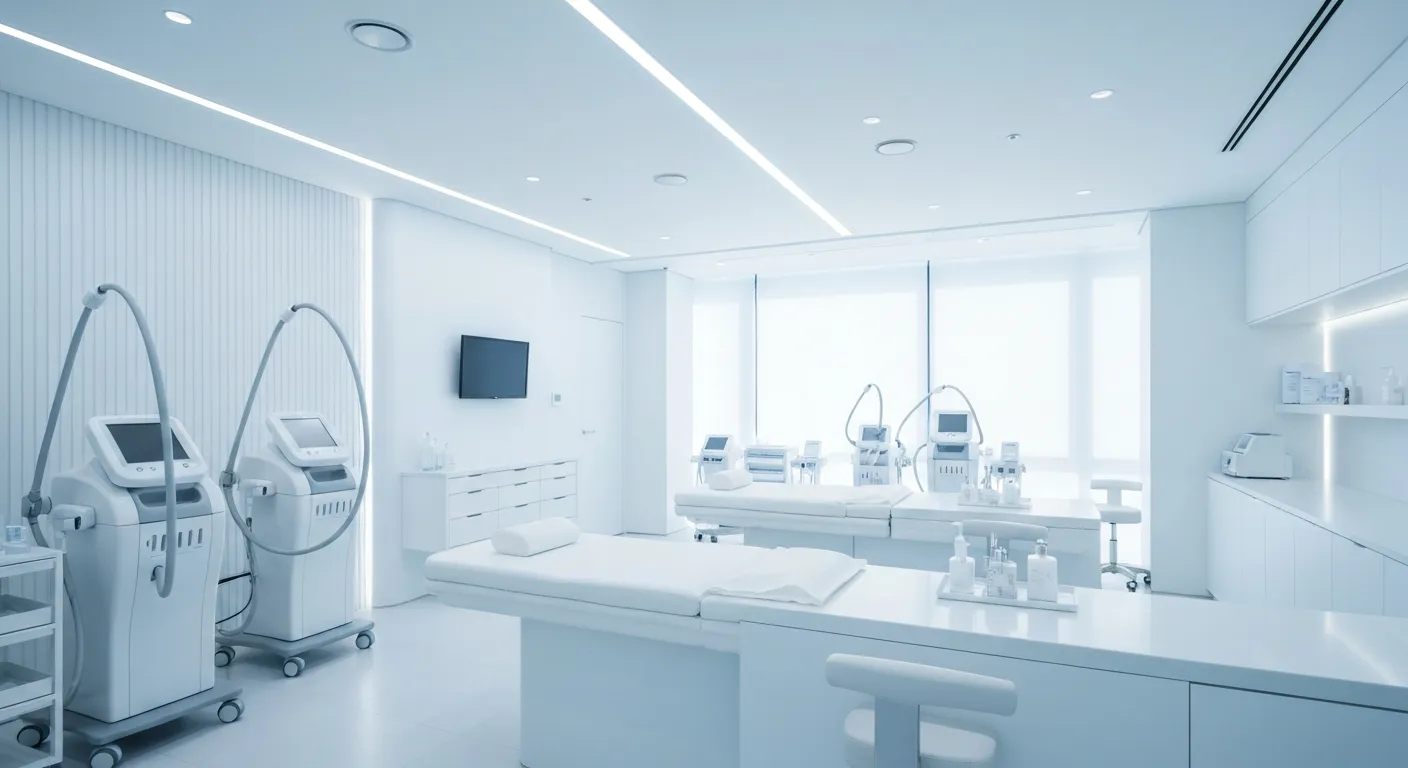
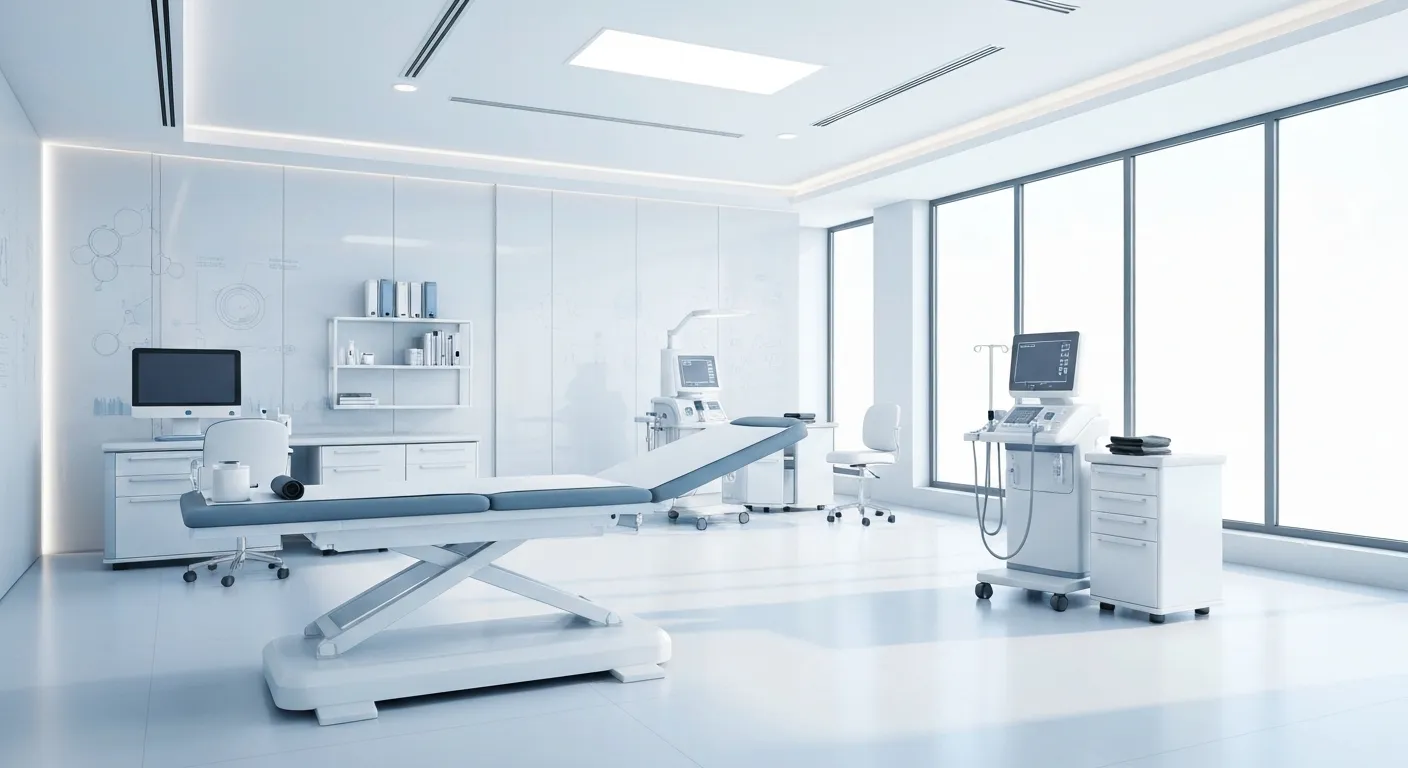
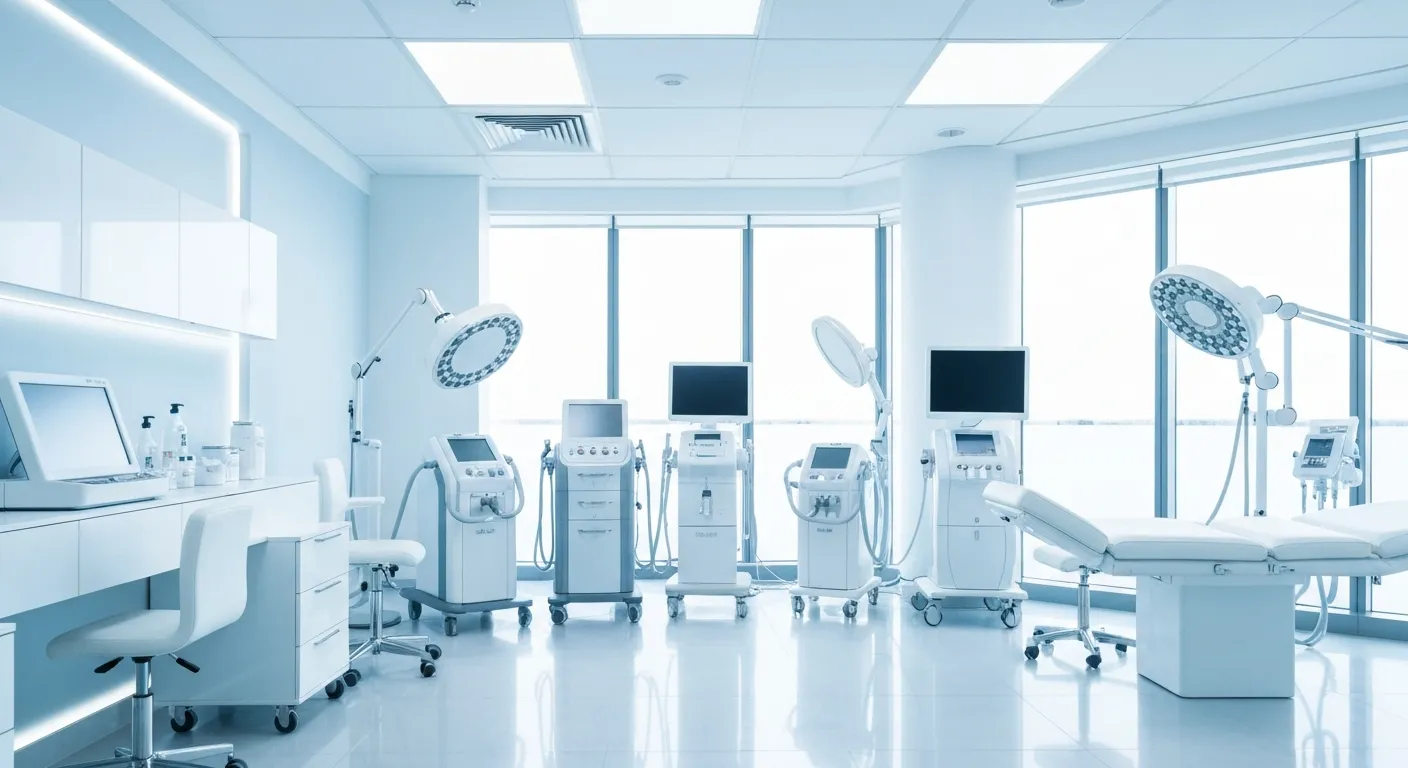
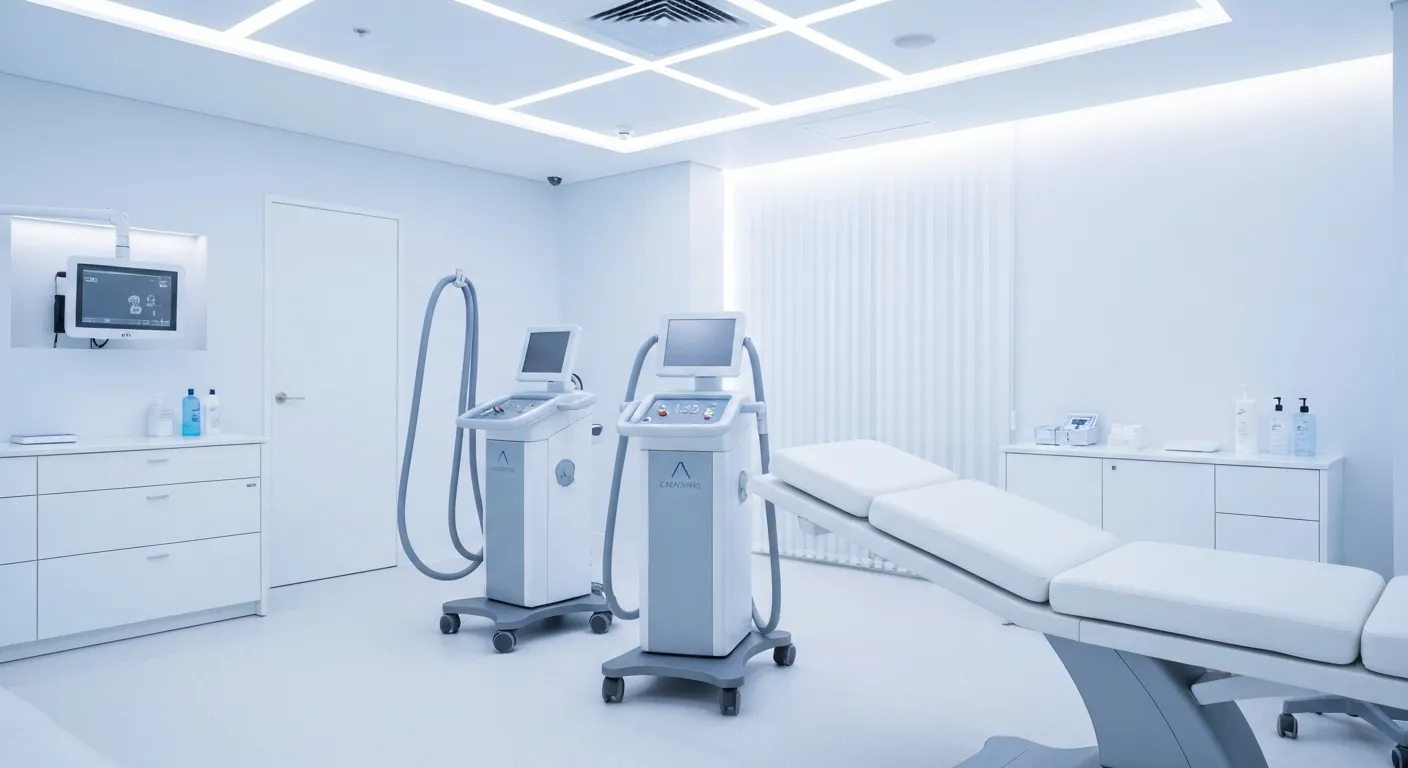
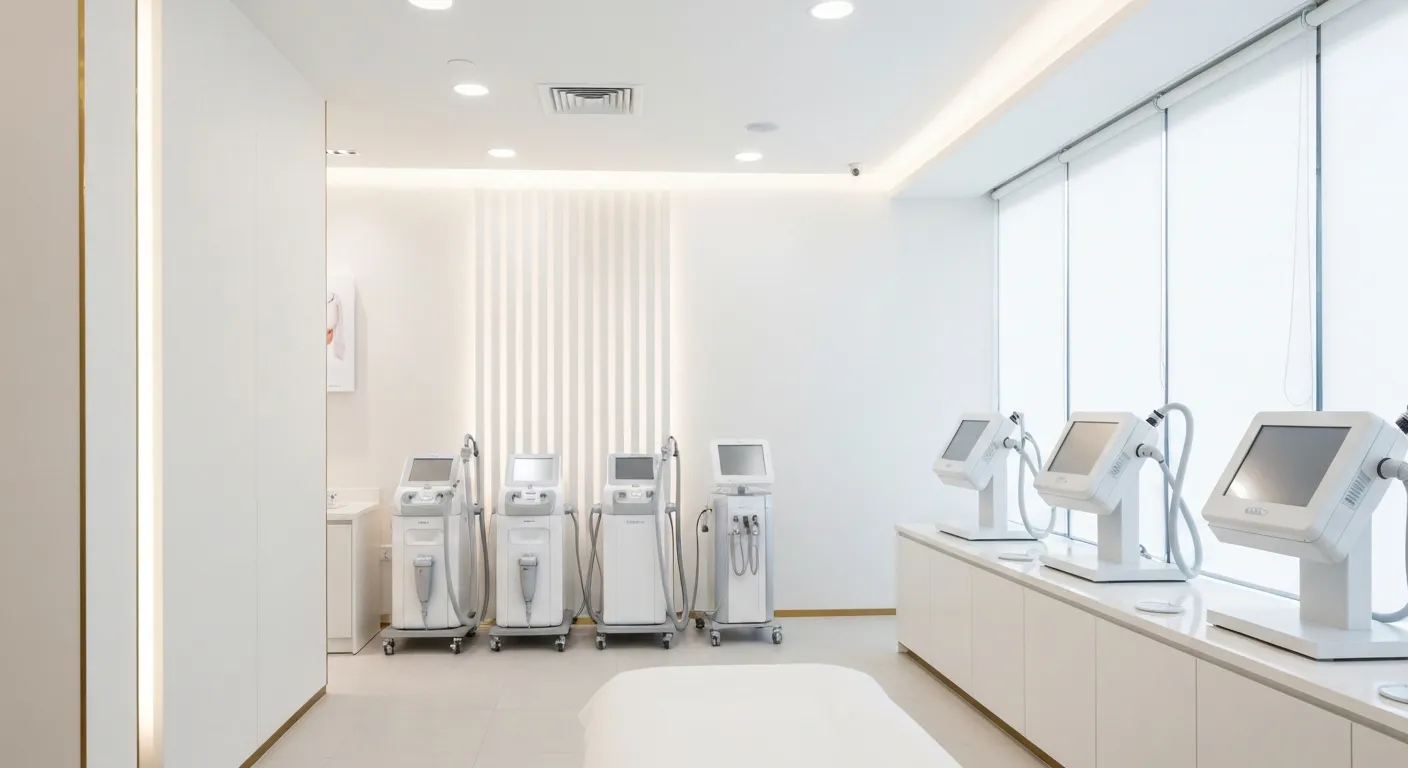
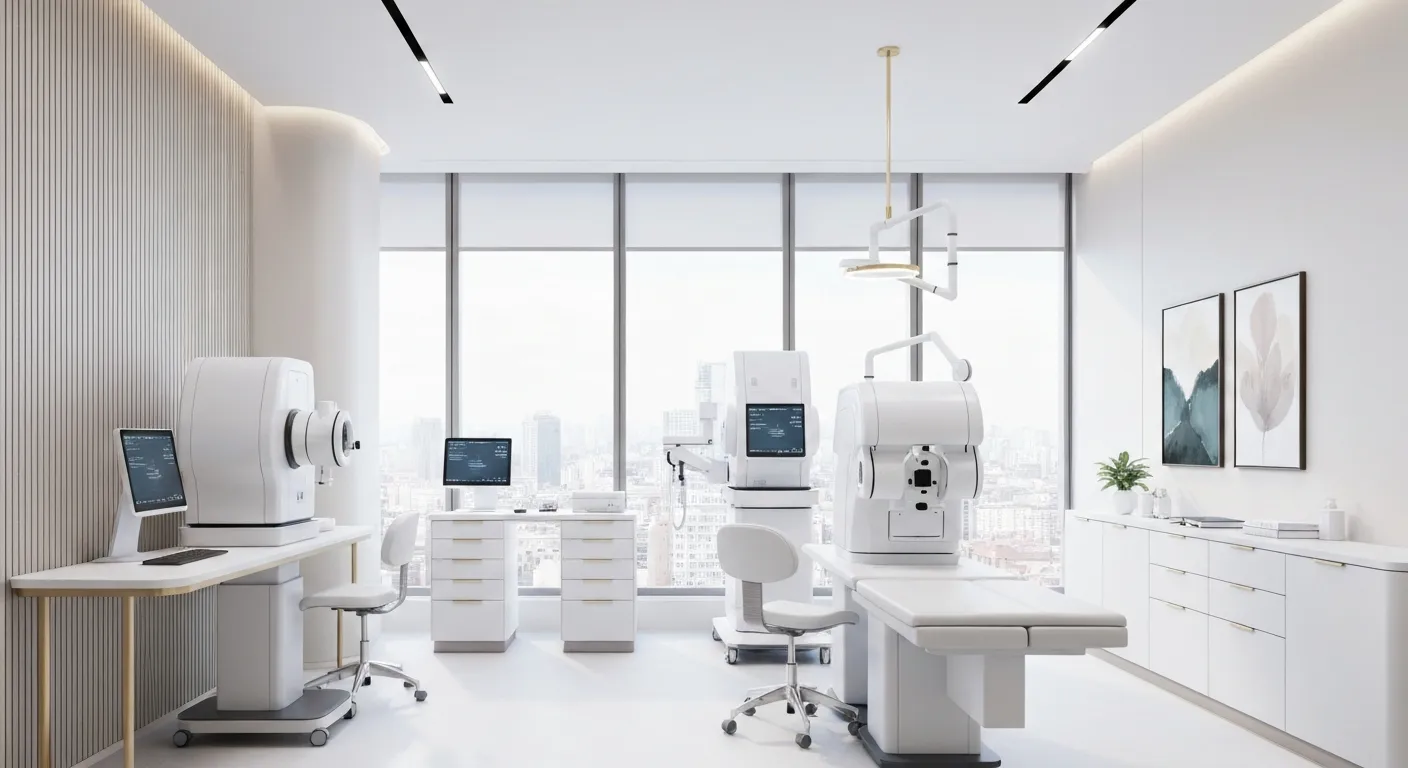
The field of aesthetic medicine is rapidly evolving with the integration of advanced technologies and regenerative therapies. Innovations such as artificial intelligence (AI) are revolutionizing treatment personalization by analyzing patient genetics, lifestyle, and skin characteristics. Technologies like 3D facial mapping and augmented reality (AR) simulations enable patients to visualize potential outcomes before treatments, improving satisfaction and informed decision-making. Robotic-assisted surgeries, high-intensity focused ultrasound (HIFU), and new laser systems are providing precise, minimally invasive options with shorter recovery times.
A dominant trend in 2025 is the preference for subtle enhancements that emphasize natural beauty rather than dramatic changes. Patients increasingly opt for smaller breast implants, fat transfer techniques, and micro-injections that highlight natural contours and maintain individuality. Preventative treatments, such as early facial rejuvenation using Botox and dermal fillers, offer long-lasting, natural-looking results. This trend also reflects in the rising popularity of autologous therapies like platelet-rich plasma (PRP) and platelet-rich fibrin (PRF), which promote natural tissue regeneration and anti-aging effects.
Cutting-edge aesthetic treatments now combine technological advancements with regenerative approaches to enhance outcomes. AI-driven analytics guide personalized treatment plans, while regenerative products including stem cell therapies, exosomes, and collagen biostimulators stimulate skin renewal and healing. Non-surgical skin tightening methods—using radiofrequency, ultrasound, or plasma technology—offer effective collagen stimulation without downtime. Together, these innovations mark a holistic approach blending precision technology with the body's natural healing mechanisms to achieve refined, enduring aesthetic results.

In 2025, there is a clear preference for Smaller breast implants popularity that emphasize subtle and natural looks. Patients increasingly choose smaller sizes to achieve more authentic breast contours and reduce long-term risks associated with larger implants. Notably, Motiva teardrop breast implant has introduced new Natural-looking breast implants Motiva featuring a teardrop shape, specifically designed to mimic the gentle curves of natural breast tissue, enhancing aesthetic appeal while prioritizing safety.
The use of patients’ own tissues and biologics is gaining popularity as a natural alternative for aesthetic enhancement. Treatments such as Autologous treatments PRP PRF fat transfer promote tissue repair, skin rejuvenation, and volume restoration without synthetic materials. These regenerative procedures harness the body's healing mechanisms to improve texture, stimulate collagen production, and provide long-lasting anti-aging effects, aligning with the trend toward Natural aesthetic enhancements and minimally invasive care.
Emerging techniques reflect the demand for subtle, effective body and facial rejuvenation. The Miami thong lift is a new, minimally invasive buttock lift that tightens and subtly lifts without adding volume. It features minimal scarring and a relatively quick recovery, making it an appealing alternative to traditional Brazilian Butt Lifts and is part of the Buttocks tightening and lifting trend. Additionally, there is an increase in Facelifts for middle-aged patients opting for early facelifts and smaller, less invasive face and neck lifts. These Early intervention in plastic surgery trends help slow visible aging progression, benefit from quicker healing, and support a more natural youthful appearance.
Overall, Natural results in plastic surgery 2025 combined with minimally invasive technologies define 2025's aesthetic landscape, satisfying patient desires for authenticity and safety through cutting-edge surgical and regenerative techniques.
Artificial Intelligence in Aesthetic Medicine significantly improves AI diagnostic accuracy in aesthetics by analyzing facial symmetry analysis and predicting aging pattern prediction. Using advanced computer vision and deep learning, AI systems assess subtle facial features and structural imbalances that may not be easily visible to the human eye. This detailed analysis helps practitioners develop more effective and tailored treatment plans focused on Natural-Looking Enhancements with Botox and Fillers and preventive care.
3D imaging tools, including Crisalix and VECTRA allow patients and surgeons to visualize potential surgical outcomes with remarkable precision before any procedure takes place. These technologies generate realistic three-dimensional models of the patient’s face or body, simulating results of interventions such as breast augmentation or facial rejuvenation. The interactive nature of these simulations enhances patient understanding, sets realistic expectations, and aids in shared decision-making, greatly improving satisfaction.
Machine learning algorithms analyze diverse patient data—such as skin type, genetics, lifestyle factors, and medical history—to craft hyper-personalized aesthetic treatment protocols. By integrating this information, AI can recommend targeted procedures or combinations tailored to each individual's unique biological profile. This personalized approach optimizes efficacy, minimizes risks, and supports regenerative techniques like use of PRP and PRF in plastic surgery or fat transfer for rejuvenation and augmentation for natural tissue restoration.
Overall, AI and 3D imaging technologies have transformed aesthetic medicine by providing precise, personalized, and predictive care, enhancing outcomes and patient confidence in 2025.
Platelet-rich plasma (PRP), exosomes, and stem cell therapies are leading advances in regenerative medicine for aesthetic treatments. PRP uses components of the patient's own blood to stimulate natural healing and collagen production. Exosomes, derived from stem cells, promote tissue repair and enhance skin rejuvenation. Stem cell therapies focus on cellular regeneration to restore youthful skin texture and elasticity.
Collagen biostimulating fillers such as Sculptra and Radiesse encourage the skin to produce new collagen over time. These fillers improve skin thickness and firmness, leading to more natural and longer-lasting rejuvenation compared to traditional volume fillers. They support subtle changes that enhance the skin’s natural look without overfilling.
Modern techniques combine microneedling with radiofrequency (RF) and PRP therapies to boost collagen synthesis effectively. RF microneedling tightens skin by heating deeper layers, while PRP accelerates healing and tissue regeneration. This combination results in improved skin tone, texture, and reduction of scars and fine lines with minimal downtime.
Regenerative aesthetics in 2025 focus on harnessing the body's natural healing mechanisms with sophisticated bio-stimulating treatments that offer subtle, natural, and durable results.
Combination procedures involve addressing multiple aesthetic concerns in a single surgical or treatment event. This approach allows patients to achieve comprehensive results efficiently while minimizing the need for multiple recovery periods. For example, combining facelifts with eyelid surgeries or liposuction with breast augmentation can enhance overall facial harmony and body contour simultaneously. This strategy is not only cost-effective but also aligns with patients' desires for subtle natural plastic surgery results that maintain individuality.
Modern aesthetic practices are increasingly integrating hormonal optimization and wellness therapies into their treatment offerings. Services like hormone replacement therapy, nutrition guidance, and stress management are becoming common adjuncts to traditional cosmetic procedures. This holistic approach acknowledges the interconnectedness of internal health and external appearance, addressing factors like menopause-related changes through combined rejuvenation and wellness strategies, often referred to as 'Menopause Makeover cosmetic procedures'. These innovations enhance treatment outcomes and support sustained aesthetic benefits.
The current trend in aesthetic medicine places significant emphasis on internal health factors—such as gut health, hormonal balance, and nutrition—as foundational to achieving radiant, resilient skin. Treatments now often coincide with protocols targeting these internal systems to optimize skin condition from within. The use of regenerative therapies, such as platelet-rich plasma (PRP), exosomes, and stem cell microneedling, further supports natural tissue healing and rejuvenation. Combining these with traditional skin treatments leads to more durable and natural results with injectables, reflecting a broader shift toward sustainable and holistic beauty practices.
Together, these trends illustrate a move beyond isolated cosmetic interventions toward integrated, bio-individualized care models that consider multiple aspects of patient health and aesthetics.
High-Intensity Focused Ultrasound (HIFU and radiofrequency microneedling) have become popular non-invasive skin tightening treatments. Both technologies stimulate collagen production deep within the skin layers without incisions, promoting natural skin tightening and rejuvenation. RF microneedling combines the benefits of collagen stimulation with precise tissue tightening by creating controlled micro-injuries. These procedures offer minimal downtime and natural results, making them attractive alternatives to surgical lifts.
Cryolipolysis, commonly known by the brand CoolSculpting, is a non-surgical fat reduction method that works by freezing and destroying fat cells, which the body then naturally eliminates. It targets stubborn fat areas like the waist and chin, producing gradual contour improvements. Newer fat reduction methods, such as ultrasound-based fat disruption technology, are also emerging, utilizing sound waves to break down fat cells. These non-invasive options appeal to individuals seeking body contouring without surgery.
High-definition body sculpting techniques are on the rise, often combined with procedures like rib remodeling for enhanced torso contouring techniques. This trend is fueled by patients' growing interest in fitness and defined body shapes. Additionally, the aftermath of rapid weight loss, especially tied to weight loss medications, has increased demand for post-weight loss contouring procedures such as skin-tightening lifts and thigh or arm lifts. These address loose skin and improve body proportions, often integrating non-surgical skin tightening technologies for comprehensive results.
The aesthetic medicine industry is moving towards greater regulation to improve patient safety, especially for high-risk procedures such as dermal fillers and Botox injections. Governments, including the UK, plan to introduce strict licensing requirements by early 2026 for clinics offering these treatments. This step aims to establish consistent safety standards and ensure that only qualified providers perform such interventions, reducing the risk of complications. For more detailed information, see Warning over cosmetic face fillers.
Recent research highlights risks involved with cosmetic filler injections, including vascular occlusions that can cause tissue damage or blindness. To mitigate these dangers, ultrasound imaging is increasingly used before and during filler procedures. Ultrasound allows clinicians to visualize arteries and other critical structures in real-time, enabling precise and safer injections. This non-invasive technology improves patient outcomes by reducing adverse events. For more insight, visit Ultrasound guidance during filler injections.
The medicalization of aesthetics is supported by enhanced professional education and accreditation systems. Specialized training programs and certifications emphasize safe, effective treatment delivery and ethical standards. Organizations are advocating for aesthetics to be recognized as a distinct medical specialty, which would promote higher quality care and better patient trust. Ongoing education is critical as technology and techniques evolve rapidly in this field. Learn more at medical aesthetics growth and innovation.
Sustainability is becoming a major focus in aesthetic medicine for 2025. Eco-friendly products, biodegradable packaging, and reef-safe sunscreens are gaining traction. Many practices are adopting plant-based active skincare ingredients and emphasizing ethical sourcing. These steps align with growing patient demand for environmentally responsible care that complements their wellness values.
Aesthetic treatments are evolving to become more inclusive and personalized. Gender-neutral options are now commonplace, tailored to the unique anatomy and aesthetic goals of all individuals regardless of gender. AI-powered analysis helps customize treatments based on skin type, genetics, and lifestyle factors, ensuring highly individualized care that respects diversity.
Virtual consultations and telemedicine are expanding access to aesthetic care, allowing patients increased flexibility and remote follow-ups. Additionally, wearable technology enables real-time skin monitoring, providing valuable data on hydration, UV exposure, and treatment responses. This continuous feedback loop improves patient engagement and helps practitioners adjust care plans for optimal, long-term results.
The field of aesthetic medicine is rapidly evolving with remarkable innovations. Artificial intelligence (AI) plays a critical role by delivering personalized treatment plans through detailed analysis of facial structures, genetics, and lifestyle. Advanced 3D imaging technologies like Crisalix and VECTRA allow patients to visualize surgical outcomes before procedures. Regenerative medicine methods, including platelet-rich plasma (PRP), stem cell therapy, and exosome treatments, harness the body’s natural healing powers to rejuvenate skin and restore volume. Non-invasive techniques such as radiofrequency (RF), high-intensity focused ultrasound (HIFU), and laser therapies enable effective skin tightening and fat reduction with minimal downtime. Robotic-assisted surgeries and CAD technology improve precision and patient satisfaction across various procedures.
Patients increasingly seek subtle, natural-looking enhancements that emphasize their individual features. This shift encourages the use of smaller breast implants, fat transfer, and biomimetic implants that mimic natural contours. Combination treatments or 'treatment stacking' optimize results by addressing multiple concerns in one session, easing recovery and expense. AI also ensures safer outcomes by assessing risks and improving diagnostic accuracy. Moreover, sustainability and ethical practices are becoming central to aesthetic protocols, reinforcing patient trust and long-term wellbeing.
The aesthetic medicine market is projected to grow robustly, surpassing $81 billion by 2032. The industry’s future will be marked by integrating AI with virtual reality (VR), genomics, and wearables to create truly tailored and preventive care. Telemedicine and virtual consultations expand access and convenience, while innovations in regenerative and non-surgical treatments push the boundaries of what's possible. As medical aesthetics becomes more personalized, technology-driven, and holistic, practitioners are empowered to deliver enhanced patient experiences and outcomes.
Where real stories, expert insights, and little self-care secrets come together. A calm corner of the internet made for anyone who wants to feel good in their own skin - not just look good.
.jpg)
Beyond serums and lasers lies something quieter: the ritual of caring for yourself without guilt. This article explores why self-care routines matter just as much as any in-clinic procedure. Readers discover how consistent, simple choices — water, rest, boundary-setting, nourishing skin rituals — can keep results.

.jpg)
Not every treatment is about transformation — many are about returning to your natural expression. Here we break down the subtle side of aesthetics: soft hydration, micro-touches, gentle collagen boosts. It’s a guide to choosing treatments that make you look like you had a week-long vacation, not a redesign.
.jpg)
Your skin is constantly whispering clues - about stress, sleep, hormones, even the way you breathe. This article invites readers to slow down and listen. We explore how tiny changes in daily habits shape complexion, why “glow” is an inside job, and how professional treatments simply amplify what’s already possible when the body feels safe, rested, and supported.
.svg)
.svg)


.svg)