Integrating Science and Art: The Medical Backbone of Modern Aesthetic Treatments
.png)
Julia Buliga
December 8, 2025
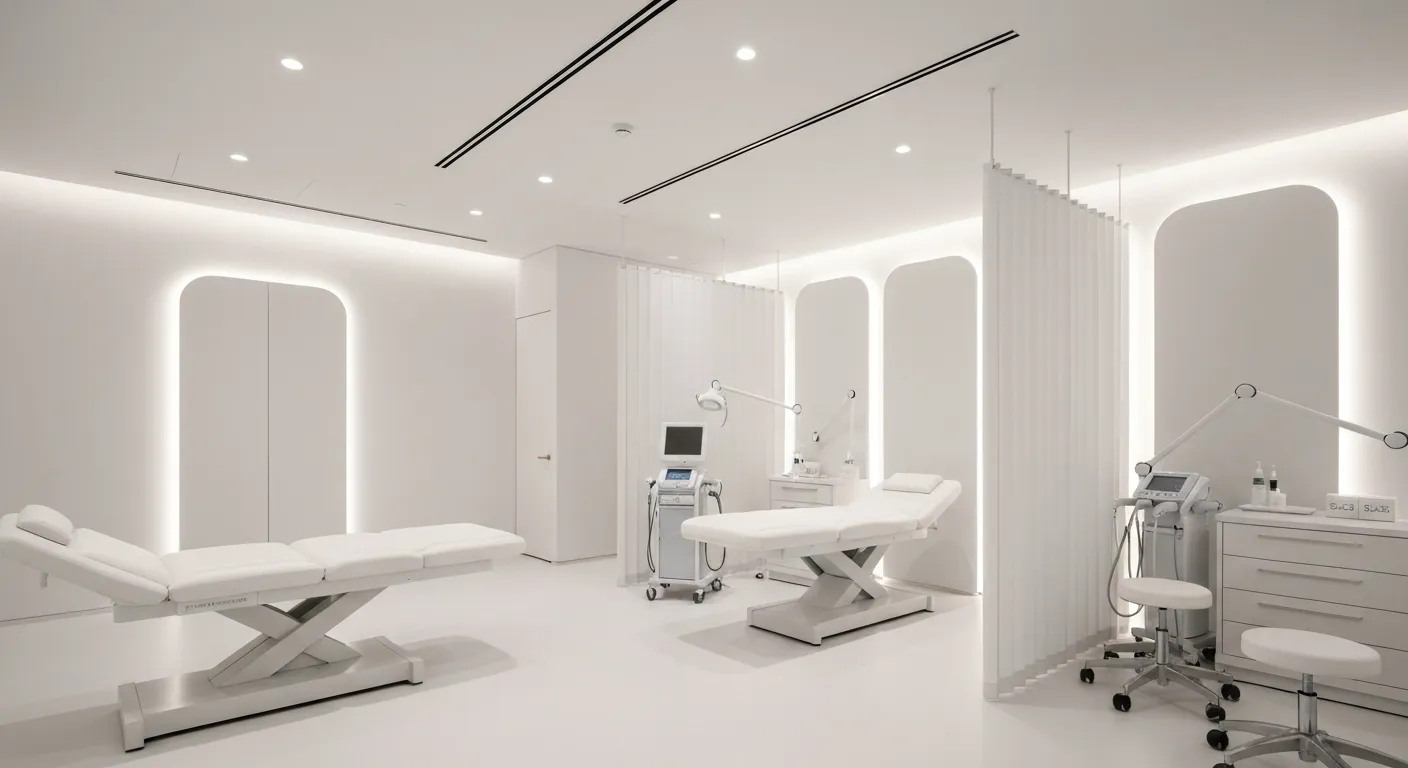
Medical aesthetics is a specialized field that merges medical knowledge with cosmetic treatments to improve appearance safely and effectively. Unlike traditional beauty services, medical aesthetics involves non-surgical procedures performed by trained healthcare providers such as doctors, nurses, and medical estheticians.
This discipline uses advanced technology and medical-grade products to target skin concerns, facial aging, volume loss, and other aesthetic goals. Treatments work at a cellular level to stimulate collagen, improve skin texture, and restore youthful features. Procedures like neurotoxin injections and dermal fillers modulate muscles and replenish volume to produce natural, subtle results.
Medical aesthetics emphasizes minimally invasive solutions without incisions or anesthesia, offering faster recovery and reduced discomfort. Each patient receives a customized plan tailored to their unique facial anatomy, skin type, and aesthetic goals. Popular treatments include laser therapies, chemical peels, microneedling, and body contouring—all designed to enhance natural beauty safely and effectively.

Aesthetic procedures require precise interventions at the cellular or tissue level. Medical training equips practitioners with an in-depth understanding of Comprehensive facial anatomy knowledge, physiology, and possible complications. Such knowledge is vital to performing treatments like Neurotoxin Injections in Aesthetic Medicine, Dermal Fillers Explained, and Lasers and light sources in dermatology safely and effectively. Without medical education, there is an increased risk of adverse effects such as Allergic Reactions and Infection Risks, or improper technique leading to unsatisfactory results. Therefore, only trained healthcare professionals like physicians, nurse practitioners, and certified medical aestheticians should perform these procedures to safeguard patient health (Choosing a Qualified Aesthetic Practitioners, Certified medical aesthetic roles).
Evidence-Based Medicine in Dermatology forms the cornerstone of modern Evidence-Based Aesthetic Treatments. It mandates that procedures and protocols are backed by scientific research and validated clinical trials. This approach ensures the use of proven and effective techniques, such as Botulinum Toxin Injections and Fractional laser resurfacing benefits, minimizing risks and maximizing therapeutic benefits. Regulatory bodies and medical organizations advocate strict adherence to scientific evidence to enhance patient safety, efficacy, and satisfaction in aesthetic practice (Scientific research and clinical trials).
Medical aesthetic treatments are regulated to varying degrees depending on jurisdiction, but consistent across all is the necessity for licensed practitioners to deliver care (Medical spas regulation). Protocols include comprehensive Importance of Thorough Consultations, individualized treatment planning, and post-procedure monitoring. Medical spas and clinics operate under physician supervision, enforcing standards for product quality, sterilization, and emergency preparedness. Patient safety is further enhanced by ongoing practitioner education and certification in specific procedures such as Botox certification, dermal fillers certification, and laser therapy certification.
Overall, the combination of medical training, Evidence-Based Aesthetic Procedures, and Medical spas regulation establishes a robust foundation that ensures aesthetic treatments are safe, effective, and tailored to patient needs.

Understanding the intricate layers of facial anatomy—including skin, muscles, fat pads, blood vessels, and nerves—is foundational for safe and effective aesthetic treatments. This knowledge allows practitioners to accurately target precise injection sites for Botox and dermal fillers benefits. By recognizing facial landmarks and vascular structures, they avoid complications such as vascular occlusion or nerve injury. For more detailed information see Comprehensive facial anatomy knowledge.
Facial anatomy comprises multiple layers that influence how injectables interact with tissues. Muscles responsible for dynamic wrinkles, fat compartments affecting volume, and major blood vessels must be identified correctly. Mastering these landmarks ensures that treatments enhance natural contours without causing harm or unexpected side effects. Further reading on Facial layers overview can deepen understanding.
Complications like bruising, vascular occlusion, or nerve damage can occur if injectables are misplaced. Deep knowledge of vessel paths and nerve distributions enables clinicians to steer clear of sensitive areas. This vigilance is critical for patient safety and satisfaction. Refer to Anatomy for patient safety for more insights.
Every face differs in shape and tissue distribution. Tailoring treatment plans according to individual anatomy optimizes aesthetic outcomes. Practitioners can modulate injection depth, volume, and site according to muscle activity and facial structure, achieving subtle, harmonious enhancements that preserve the patient's unique features. Personalized care is at the core of Personalized Aesthetic Treatment Plans.
Continuous education, including cadaver labs and updated anatomical research, strengthens the practitioner's precision and confidence, elevating the artistry and safety of injectables and fillers. For professional development, see Continuing education in facial anatomy.
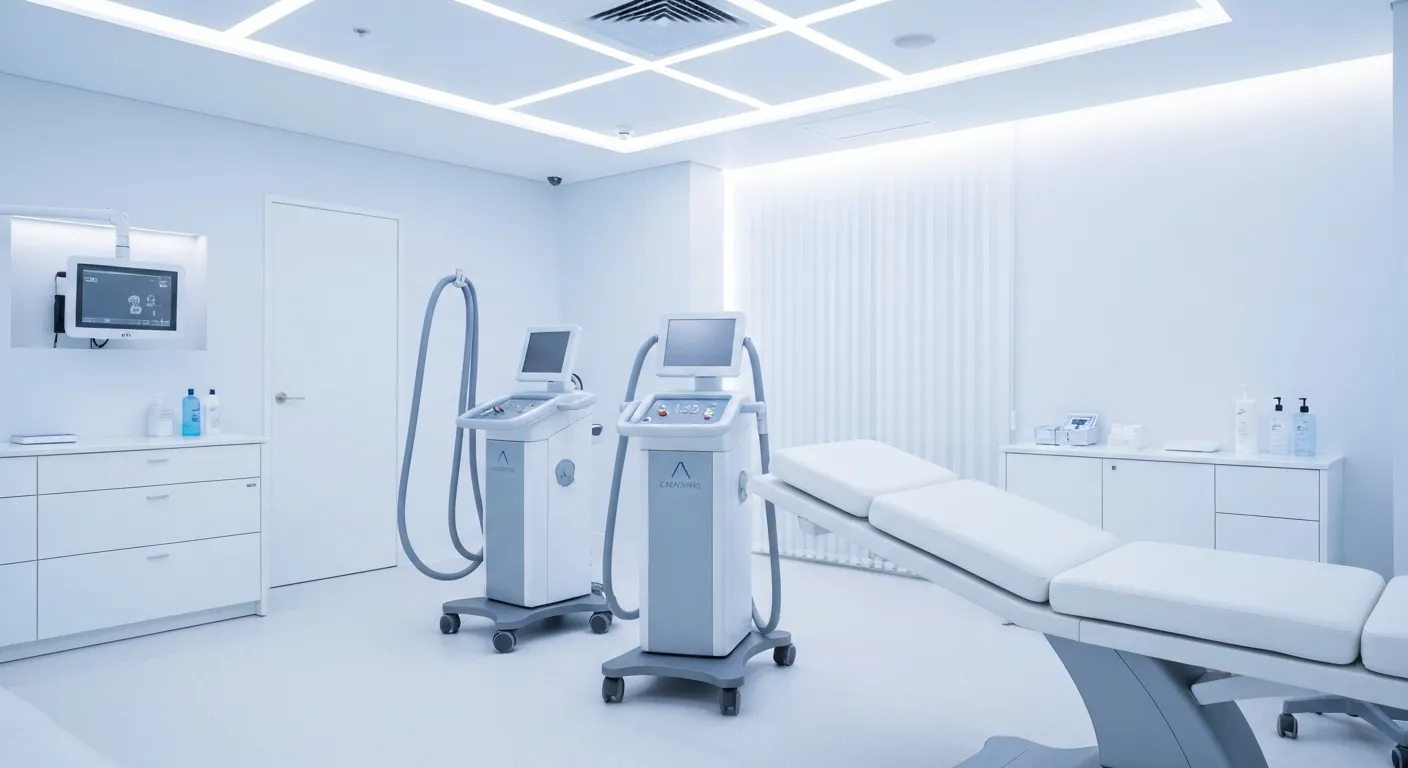
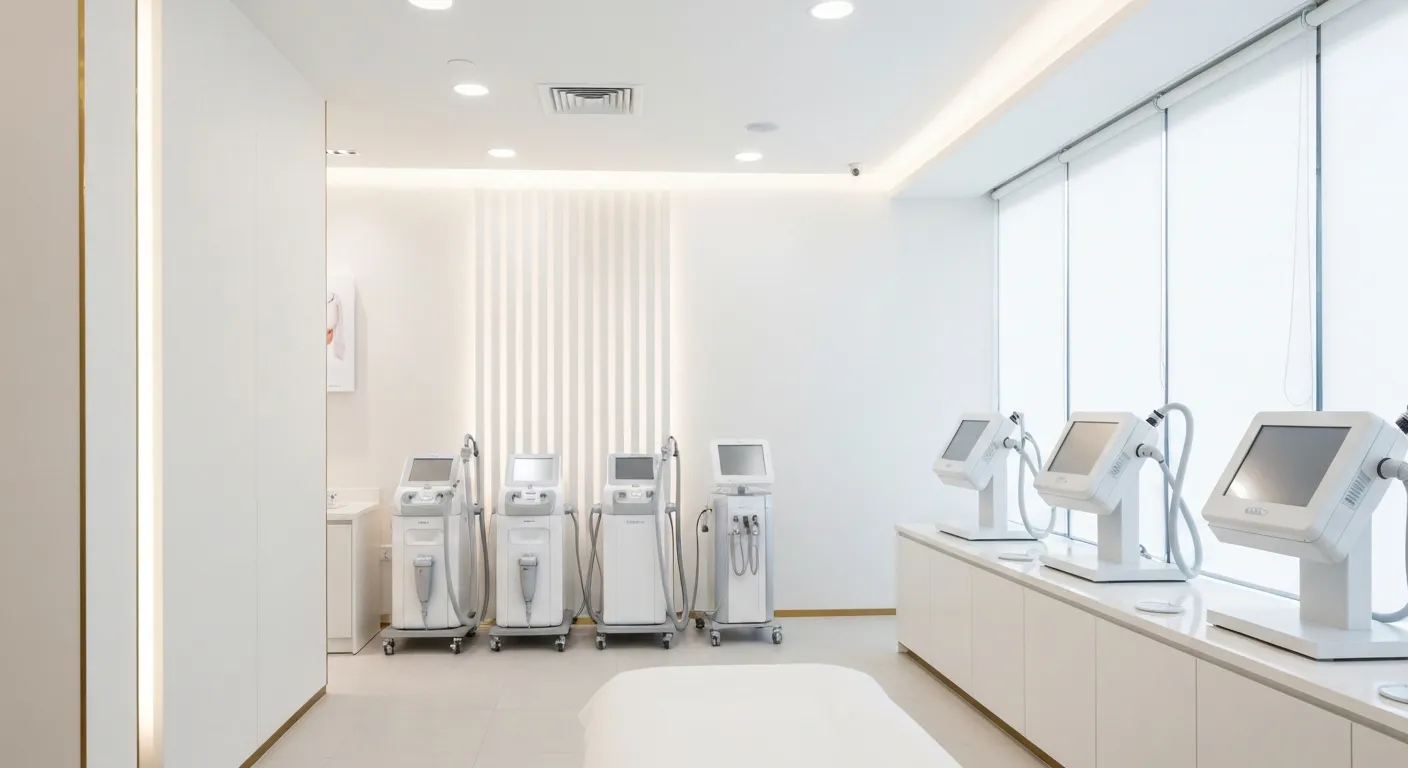
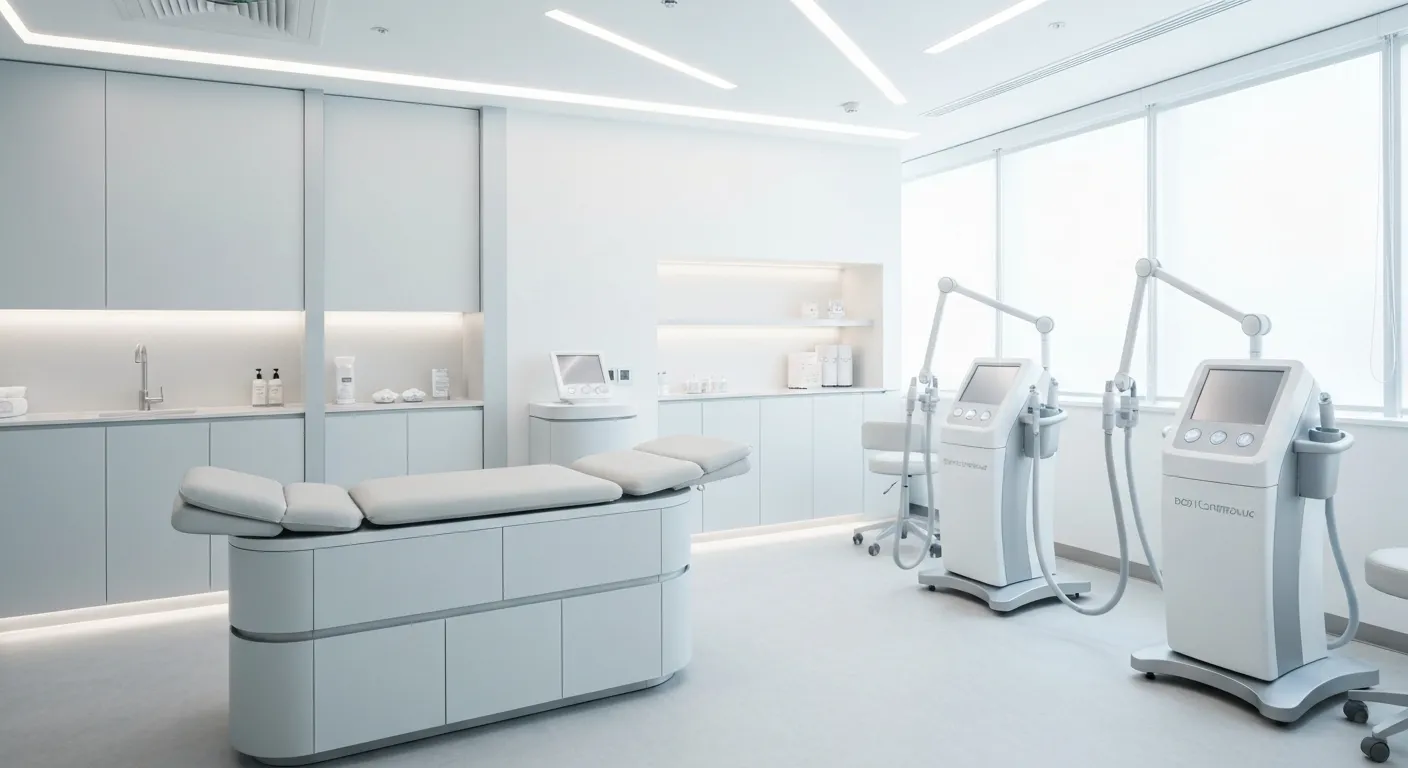
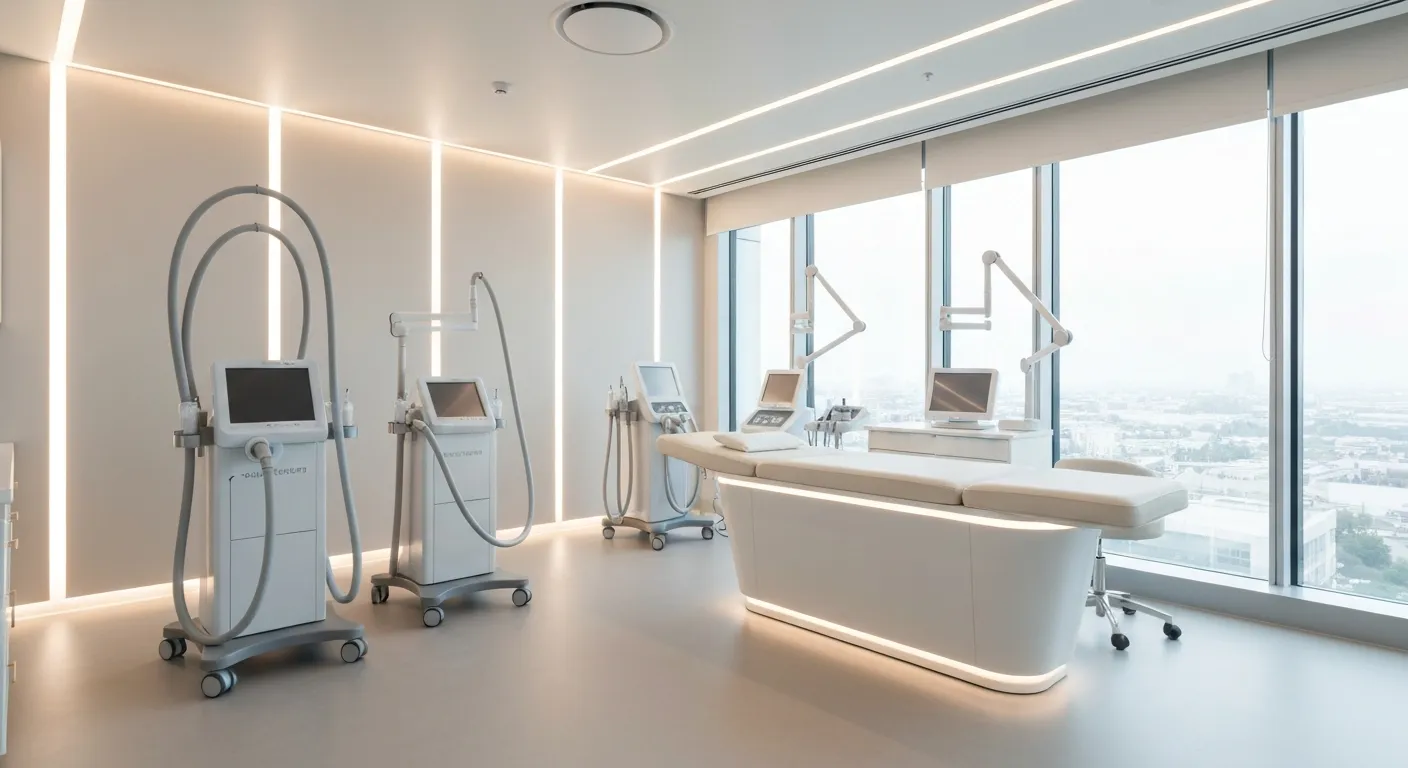
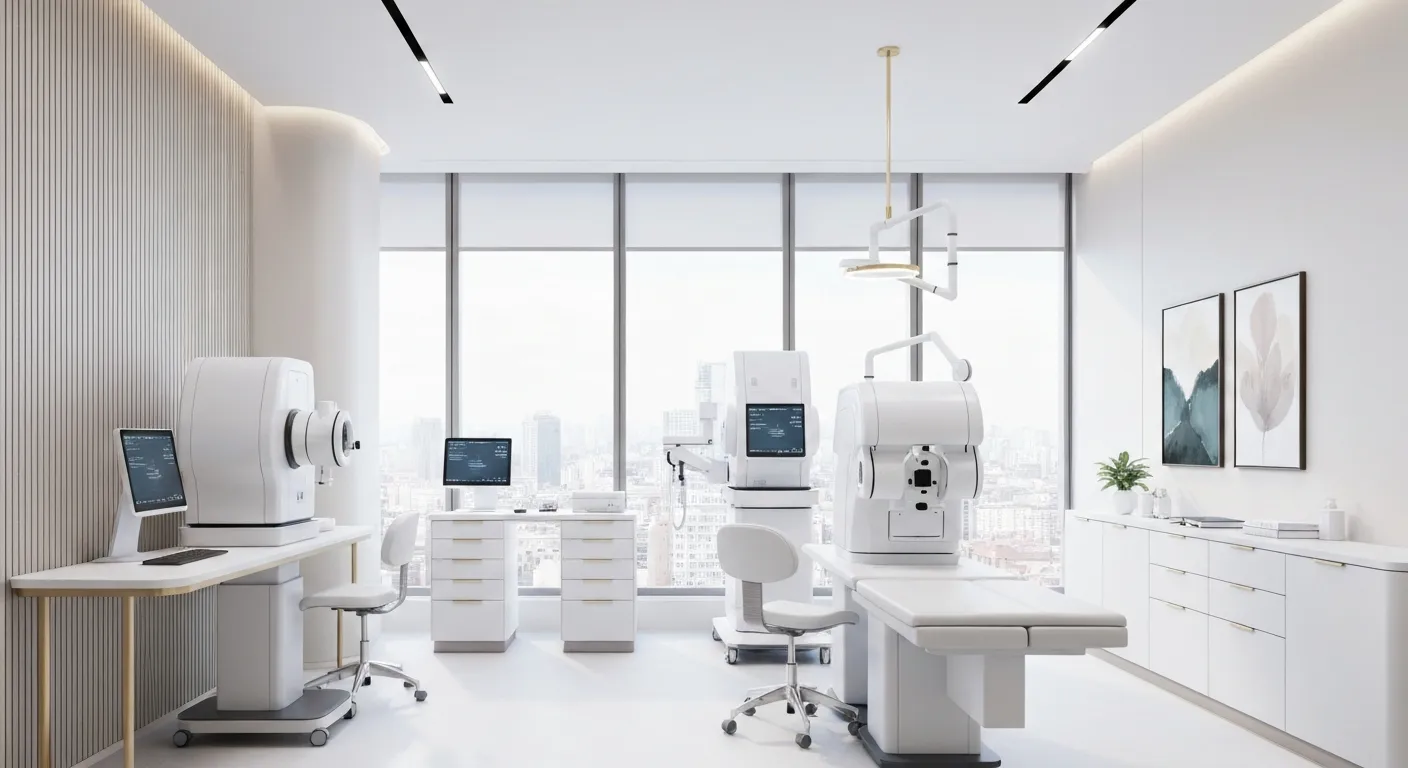
Advanced technologies have revolutionized medical aesthetics overview by delivering precise, effective, and personalized treatments. Devices such as laser treatments in aesthetics and Microneedling with Radiofrequency are central to stimulating the skin’s natural regeneration processes. For example, Morpheus8 Treatment works by creating controlled micro-injuries in the skin, which trigger increased Collagen and Elastin Stimulation. This biological response results in firmer, smoother skin, reduced fine lines, and scar improvement.
Laser treatments in medical aesthetics, including fractional CO2, Er:YAG, and diode lasers, address a wide range of aesthetic concerns such as skin resurfacing, scar remodeling, hair removal, and pigmentation issues. These lasers utilize specific wavelengths targeted to skin layers to safely promote cellular renewal, boost collagen production, and improve skin texture.
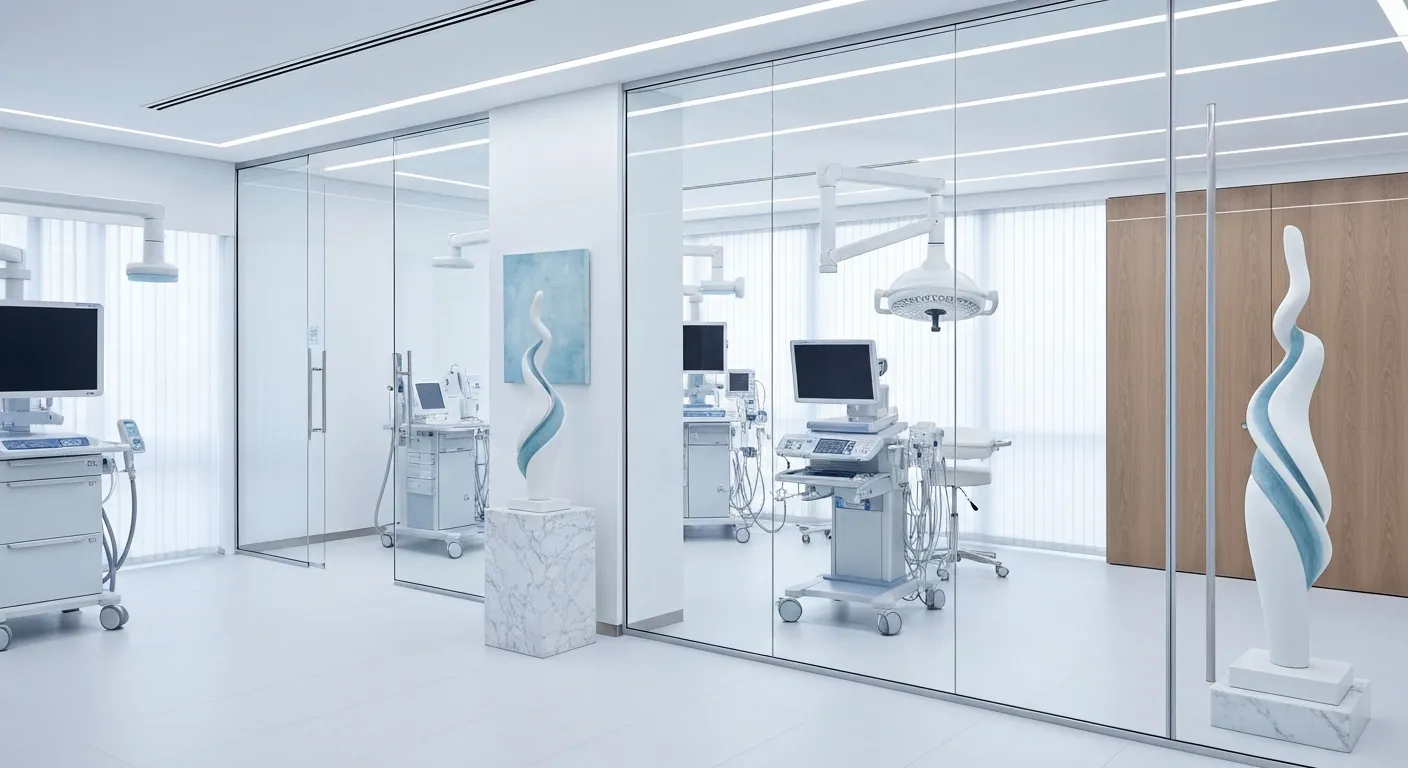
Beyond these traditional devices, the integration of Artificial Intelligence in Aesthetic Medicine and robotic systems is transforming diagnostics and treatment planning in medical aesthetics. AI algorithms employ deep learning and computer vision to analyze facial features, skin type, and patient history, enabling hyperpersonalized treatment strategies. Robotic tools like the ARTAS robotic hair transplant system improve the precision of hair transplantation and laser therapies, enhancing procedural accuracy and safety.
These technologies allow practitioners to tailor interventions more precisely to individual patient needs, reducing risks and optimizing outcomes. Combined, advanced devices and AI empower medical aesthetics to deliver natural-looking, long-lasting enhancements grounded in Evidence-Based Medical Aesthetics and clinical expertise.
Aesthetic Medicine Overview isn't limited to improving appearance; it also plays a vital role in therapeutic medical care.
Therapeutic uses of botulinum toxin extend beyond wrinkle reduction to benefit various medical conditions. They are effectively used for disorders such as hyperhidrosis (excessive sweating), psoriasis, rosacea, scar prevention, pruritus, post-herpetic neuralgia, and other neuropathic pain disorders. By inhibiting acetylcholine release, botulinum toxin modulates neuromuscular activity, providing relief from these conditions.
Dermal fillers for residual atrophy, including hyaluronic acid, calcium hydroxylapatite, and autologous fat, assist in correcting residual atrophy caused by conditions like lipodystrophy, Parry–Romberg syndrome, en coupe de sabre, and post-traumatic facial asymmetry. Fillers help restore volume loss and improve skin contour, supporting both function and aesthetics.
Regenerative medicine products such as Platelet-rich plasma injections, platelet-rich fibrin, and autologous fat injections are widely used for therapeutic benefits. These products promote Collagen and Elastin Stimulation, accelerating healing of acne scars, non-healing wounds, and enhancing facial rejuvenation. Their cellular-level effects stimulate tissue regeneration and repair, offering solutions for both cosmetic and medical indications.
Advanced aesthetic procedures assist in treating dermatological disorders and nerve pain. For example, Botulinum Toxin Injections are valuable in managing neuropathic pain like post-herpetic neuralgia. Absorbable dermal threads benefits induce collagen remodeling used in scars and tissue laxity treatment, supporting skin recovery after trauma or illness.
Laser therapy procedures and Microneedling treatments combined with regenerative products further improve skin texture and scar remodeling, emphasizing the crossover between aesthetic and therapeutic dermatology.
These treatments collectively demonstrate how Science and Artistry in Aesthetic Medicine not only enhance beauty but also provide meaningful medical benefits, improving quality of life for patients with varied clinical needs.
Medical estheticians perform advanced skincare treatments such as microdermabrasion, chemical peels, and laser therapy. They assess patients' skin conditions through clinical consultations, recommend medical-grade skincare products tailored to individual concerns, and assist in creating personalized treatment plans. Working closely with healthcare providers like dermatologists and plastic surgeons, medical estheticians support overall skin health and aid in achieving better and safer aesthetic results.
Medical estheticians undergo specialized training beyond standard esthetics, focusing on therapeutic and corrective skin procedures. Nurse injectors, skilled in dermal fillers, neurotoxins, and other injectables, require detailed knowledge of facial anatomy and safety protocols. Their combined expertise ensures treatments are performed safely, with minimized risks of complications and optimized patient outcomes.
A thorough understanding of dermatology enables medical estheticians to recognize common and serious skin conditions, tailor treatments to different skin types and concerns, and identify when referral to a physician is necessary. This knowledge promotes client safety, helps avoid adverse effects, and enhances the customization of skincare regimens. Moreover, collaboration with medical professionals is strengthened when estheticians are versed in medical terminology and skin science. Learn more about dermatology knowledge for estheticians.
Close collaboration allows for comprehensive care where aestheticians provide supportive skin treatments complementing medical procedures. Coordination ensures continuity of care, enhances treatment results, and elevates patient satisfaction. This team approach leverages the strengths of each role, from clinical interventions by physicians to maintenance and recovery support by estheticians. For details on the role of aestheticians in aesthetic medicine.
Certifications and regulations are crucial because they guarantee that practitioners possess the essential skills and knowledge to safely administer treatments. These standards ensure adherence to ethical practices and help professionals remain updated on the latest advancements, thereby safeguarding patient safety and enhancing treatment efficacy. For more on certifications in medical aesthetics and medical spas regulation, see resources.
In the United States, only certified medical professionals—such as physicians, nurses, and licensed medical aestheticians—are authorized to perform medical aesthetic procedures. Licensing laws differ by state, dictating who can legally execute specific treatments and under what supervision. For detailed information on the types of roles in medical aesthetics and certifications required in medical aesthetics, refer to these sources.
Certification pathways typically involve specialized courses focusing on key procedures like Botox, dermal fillers, chemical peels, and various laser therapies. These courses often include both theoretical understanding and hands-on clinical practice, building proficiency.
Obtaining certification in Botox and dermal fillers requires knowledge of facial anatomy, injection techniques, and complication management. Similarly, laser therapy certifications emphasize laser safety, skin physiology, and equipment operation. Comprehensive training programs are offered by organizations such as AAAMS which provide continuing education credits ensuring compliance and innovation.
Due to evolving technologies and emerging treatment methods, ongoing professional development is essential. Practitioners must participate in continuing medical education (CME) and training to maintain certifications and meet regulatory standards. Adherence to regulations such as OSHA workplace safety standards, sterilization protocols, state medical boards, and licensing requirements is mandatory.
Regular recertification and adherence to medical spas regulation and licensing ensure that treatments are delivered responsibly, minimizing risks and providing patients with high-quality care.
Medical aesthetics overview begins with a thorough consultation where licensed certifications in medical aesthetics gather detailed medical history alongside careful skin evaluation. This step is critical to identify any contraindications, allergies, or pre-existing conditions that could influence treatment safety or effectiveness. Assessments often include personalized skin treatment plans, condition, and aging signs, as well as Artificial Intelligence in Aesthetic Medicine.
Building on this foundation, practitioners design personalized treatment plans that align with patients' unique aesthetic goals and biological characteristics. These protocols may combine modalities such as injectable treatments like Botox, Laser treatments in medical aesthetics, Microneedling Procedures, and Chemical peels for acne and scars to address specific concerns like wrinkles, volume loss, scarring, or pigmentation. Customization ensures treatments optimize natural-looking results and minimize risks.
Beyond physical enhancements, personalized aesthetic care fosters significant Psychological Benefits of Aesthetic Medicine. By addressing individual appearance goals, it can boost self-esteem, improve social interactions, and enhance emotional well-being. Research shows patients often experience higher satisfaction and confidence when their care feels tailored and reflective of personal needs.
Customized treatment plans based on thorough assessments help maximize safety and effectiveness, enhance patient satisfaction, and contribute to psychological well-being by addressing unique aesthetic goals. This Patient-centered Aesthetic Procedures ensures treatments not only improve appearance but also support overall mental health.
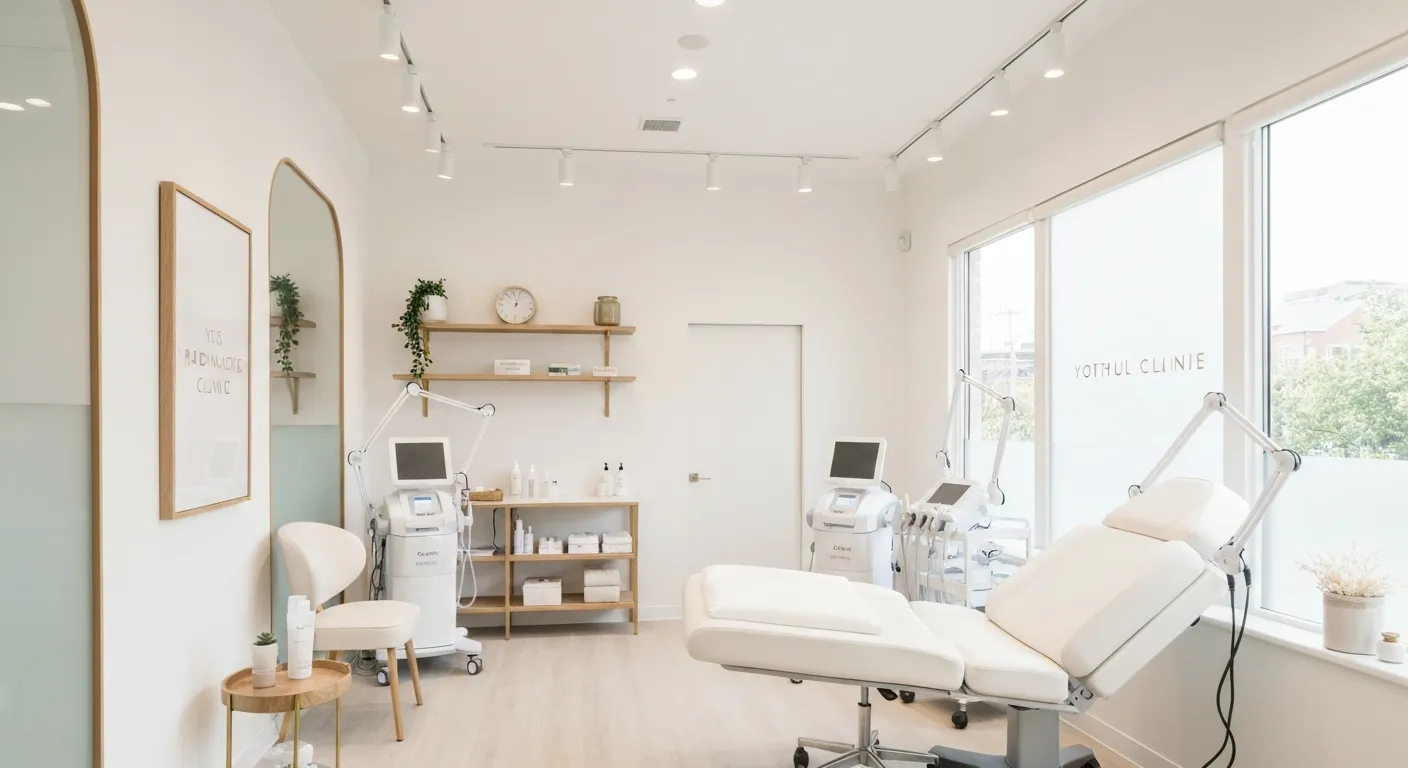
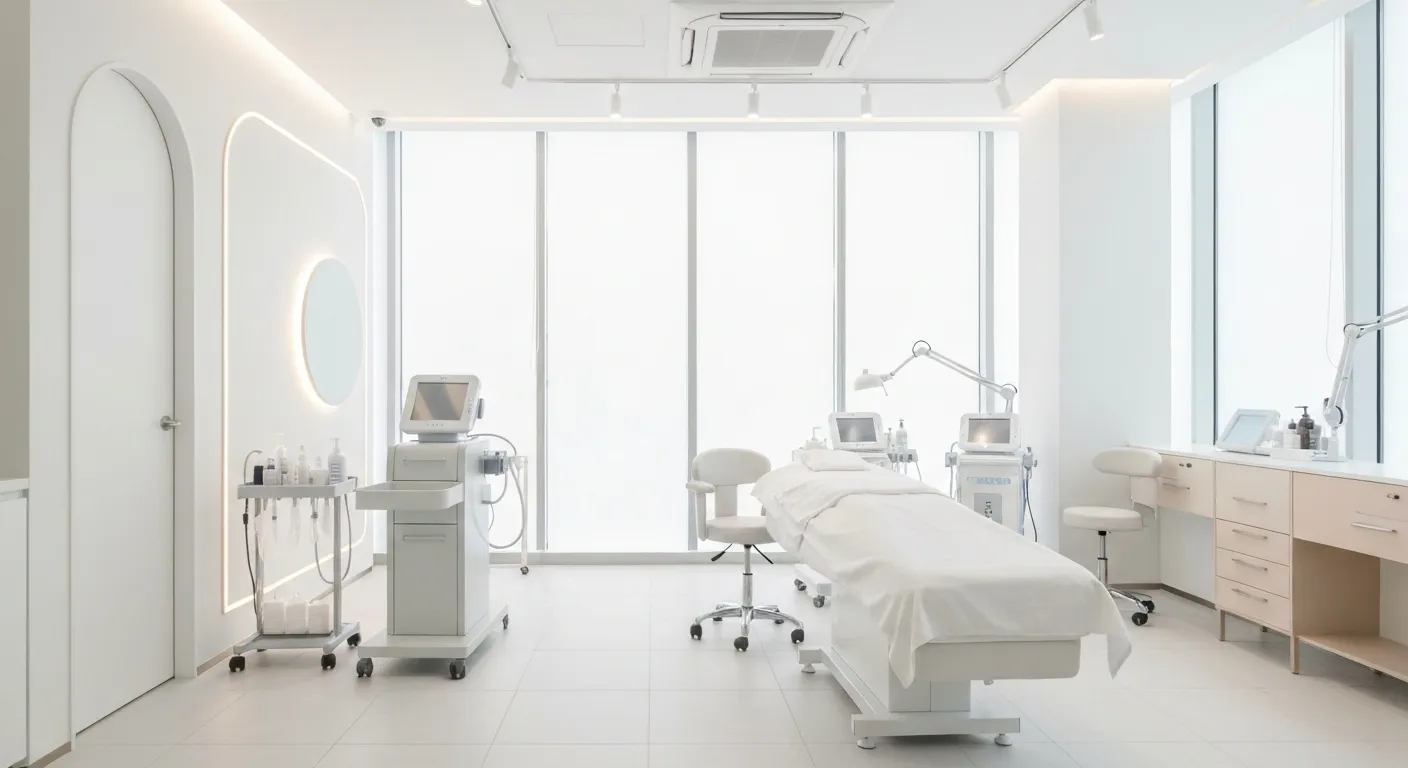
Medical spas differ significantly from traditional beauty salons. Unlike salons, which typically offer basic beauty services without medical oversight, medical spas are supervised by licensed medical professionals such as physicians or nurse practitioners. This supervision ensures treatments involve scientific protocols and address patient safety rigorously. Medical spa procedures often affect live tissue, requiring clinical knowledge and precise medical oversight.
Physician-led medical spas emphasize medical safety, ethics, and evidence-based treatments. Clinics like Village Aesthetics and Hudson Aesthetics MD operate under board-certified doctors, who oversee all treatments and develop safety standards. This leadership ensures regulatory compliance and professional accountability, facilitating comprehensive consultations and personalized treatment plans tailored to each patient’s needs.
Medical spas seamlessly combine advanced medical treatments with wellness services. These include neurotoxin injections, dermal fillers, laser therapies, microneedling, and bio-stimulating peels alongside complementary options like vitamin infusions, medical weight loss, and skin health regimens. This integrated approach promotes both aesthetic enhancement and overall wellbeing while utilizing cutting-edge technology and pharmaceutical-grade products.
Regulatory compliance is central to medical spa operations. Licensed healthcare practitioners perform treatments within their scope of practice under rigorous protocols. Medical directors ensure adherence to OSHA, HIPAA, and FDA standards, safeguard proper product storage, and manage infection control. Patient safety is further strengthened by detailed face-to-face assessments, informed consent, and ongoing professional education to keep providers updated on treatment innovations and safety guidelines (Medical spas regulation.
This careful balance between clinical expertise and a relaxing spa experience defines modern, trustworthy medical spas, delivering natural, lasting results with an emphasis on patient safety and satisfaction.
Artificial intelligence (AI) is revolutionizing medical aesthetics by significantly enhancing diagnostic accuracy and treatment personalization. Utilizing advanced computer vision for diagnostics and deep learning in aesthetics, AI systems conduct precise facial analyses that help practitioners understand skin condition and unique facial features in greater detail than ever before.
AI enables hyperpersonalized treatment plans by assessing a patient's skin type, genetic markers, and lifestyle factors. This tailored approach maximizes treatment efficacy and patient satisfaction, as procedures can be adapted to individual physiological characteristics and aesthetic goals.
The integration of robotic systems, such as the ARTAS robotic hair transplant system, increases the precision and consistency of procedures. Robotics assist in delicate tasks like hair follicle extraction and accurate laser treatment delivery, minimizing human error while enhancing safety and aesthetic outcomes.
By leveraging predictive analytics in aesthetics, AI forecasts patient responses to treatments and identifies potential complications before they arise. This capability supports clinicians in making more informed decisions, improving overall safety and optimizing results for patients.
Beyond current applications, AI is increasingly combining with AI and augmented reality in consultations and AI and virtual reality in treatment planning technologies to provide virtual simulations of aesthetic outcomes. Patients can visualize treatment effects before undergoing procedures, fostering informed consent and realistic expectations.
AI's ongoing development promises continued innovation in aesthetic medicine, integrating genomic data for personalized aesthetics, wearable technology, and preventive analytics in aesthetic treatments to deliver even more personalized, efficient, and safe care.
Medical aesthetic practitioners carry significant ethical responsibilities centered around patient safety and well-being. They must ensure that treatments are evidence-based aesthetic treatments and only performed when medically appropriate, avoiding unnecessary or excessive procedures that could potentially harm the patient.
Honest and transparent communication is essential. Practitioners are obligated to provide realistic expectations about the outcomes of aesthetic treatments. This helps prevent patient dissatisfaction and supports informed decision-making.
Patient education plays a critical role. Medical professionals should thoroughly explain the Benefits of Aesthetic Treatments, risks, and alternatives of each procedure. Such education empowers patients to make choices aligned with their health and psychological needs.
Ethical practice requires clinicians to avoid the medicalization of normal appearance traits—wherein natural, healthy physical features are treated unnecessarily. This careful approach helps to reduce overtreatment risks and respects patient dignity and individuality.
Moreover, aesthetic medicine must not exploit patient insecurities. Treatments should aim to Enhancing Natural Beauty with Medical Expertise and promote confidence without fostering unrealistic beauty standards or dependency on cosmetic interventions.
Effective communication builds trust and strengthens the patient-provider relationship. Medical aesthetic providers should prioritize open dialogue about procedure details, expected results, possible side effects, and recovery processes.
Comprehensive patient education ensures that individuals understand the nature and scope of their treatments. This clarity supports healthier psychological outcomes and reduces the incidence of regret or regretful choices.
In conclusion, embracing Ethical Standards in Aesthetic Medicine means balancing artistic enhancement with medical responsibility and respect for the patient as a whole person.
Medical expertise forms the backbone of safety and effectiveness in aesthetic medicine. Through comprehensive knowledge of facial anatomy and skin biology, medical practitioners foster precise interventions such as neurotoxin injections and dermal fillers, minimizing risks like vascular complications or allergic reactions. This foundation ensures that treatments are not only medically sound but also artistically designed to harmonize natural features, delivering subtle and flattering rejuvenation.
Aesthetic treatments today extend beyond surface beauty; they contribute significantly to emotional health and self-confidence. Clinically supervised procedures, supported by evidence-based protocols, enable personalized plans tailored to individual goals and physiological conditions. This integrative approach addresses both appearance and psychological wellness, enriching social interactions and overall quality of life.
The future of medical aesthetics promises deeper integration of cutting-edge technology such as artificial intelligence and robotic-assisted treatments. These innovations will enhance diagnostic accuracy and precision, enabling hyperpersonalized therapies. Combined with rigorous medical science and artistic skill, the sector is evolving to offer increasingly safe, effective, and natural results. Ongoing education and collaboration among healthcare providers are essential to navigate this dynamic landscape and uphold the highest standards of care.
Where real stories, expert insights, and little self-care secrets come together. A calm corner of the internet made for anyone who wants to feel good in their own skin - not just look good.
.jpg)
Beyond serums and lasers lies something quieter: the ritual of caring for yourself without guilt. This article explores why self-care routines matter just as much as any in-clinic procedure. Readers discover how consistent, simple choices — water, rest, boundary-setting, nourishing skin rituals — can keep results.

.jpg)
Not every treatment is about transformation — many are about returning to your natural expression. Here we break down the subtle side of aesthetics: soft hydration, micro-touches, gentle collagen boosts. It’s a guide to choosing treatments that make you look like you had a week-long vacation, not a redesign.
.jpg)
Your skin is constantly whispering clues - about stress, sleep, hormones, even the way you breathe. This article invites readers to slow down and listen. We explore how tiny changes in daily habits shape complexion, why “glow” is an inside job, and how professional treatments simply amplify what’s already possible when the body feels safe, rested, and supported.
.svg)
.svg)


.svg)