Exploring the Cutting-Edge Advances Revolutionizing Cosmetic Procedures
.png)
Julia Buliga
December 8, 2025
Cosmetic procedures in 2025 are marked by rapid technological advancement and a strong focus on personalization. Innovations such as 3D imaging, biostimulant injectables, and regenerative medicine techniques like stem cell therapy are shaping modern aesthetics. These advancements provide safer, more precise, and longer-lasting outcomes.
A significant trend emphasizes natural, undetectable results. Patients increasingly seek subtle enhancements that preserve their individual features, preferring smaller implants and natural fat grafting over dramatic alterations. This shift reflects a desire for balanced, authentic beauty rather than conspicuous surgery.
Minimally invasive procedures continue to gain traction due to shorter recovery times and less discomfort. Technologies such as laser-assisted liposuction, thread lifts, and non-surgical body contouring methods like CoolSculpting offer effective yet gentle alternatives to traditional surgery.
Advanced imaging tools like virtual reality and augmented reality enable patients to preview results preoperatively, increasing engagement and satisfaction. Artificial intelligence aids in creating personalized treatment plans while boosting safety. As a result, patients expect more tailored, natural-looking outcomes with minimized downtime.
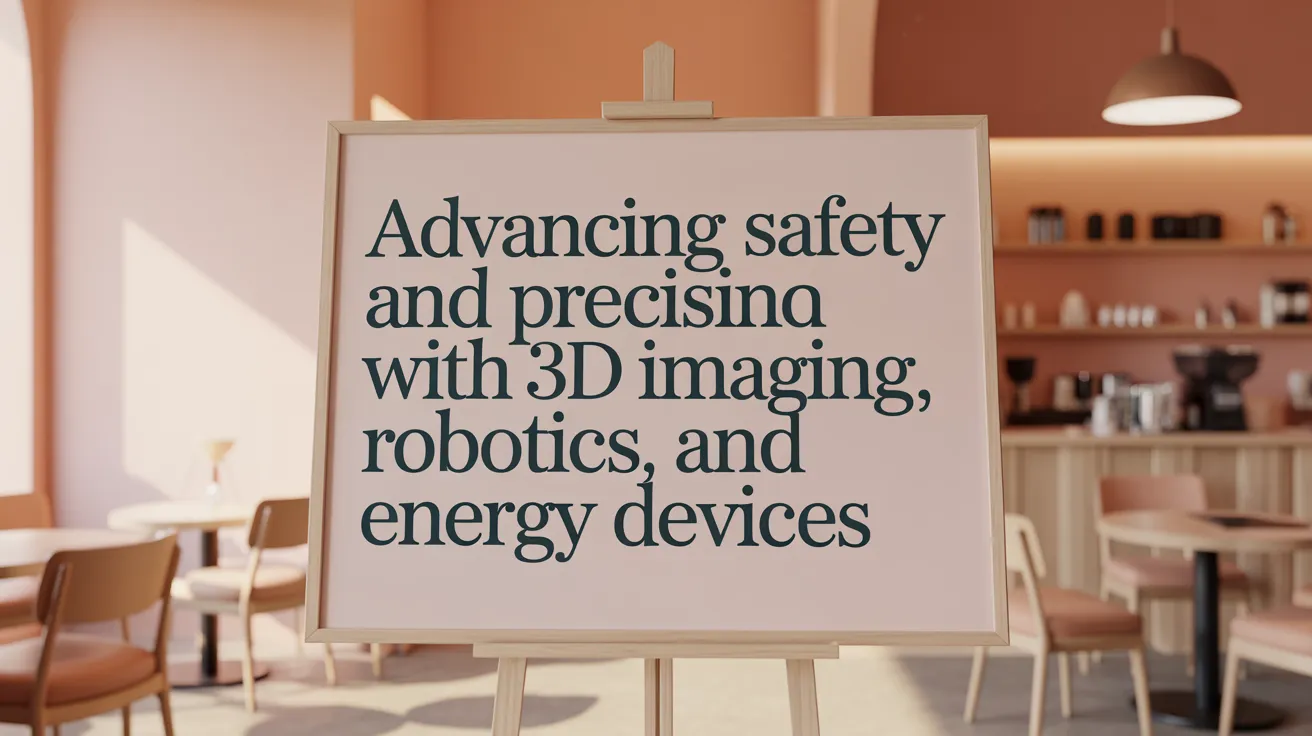
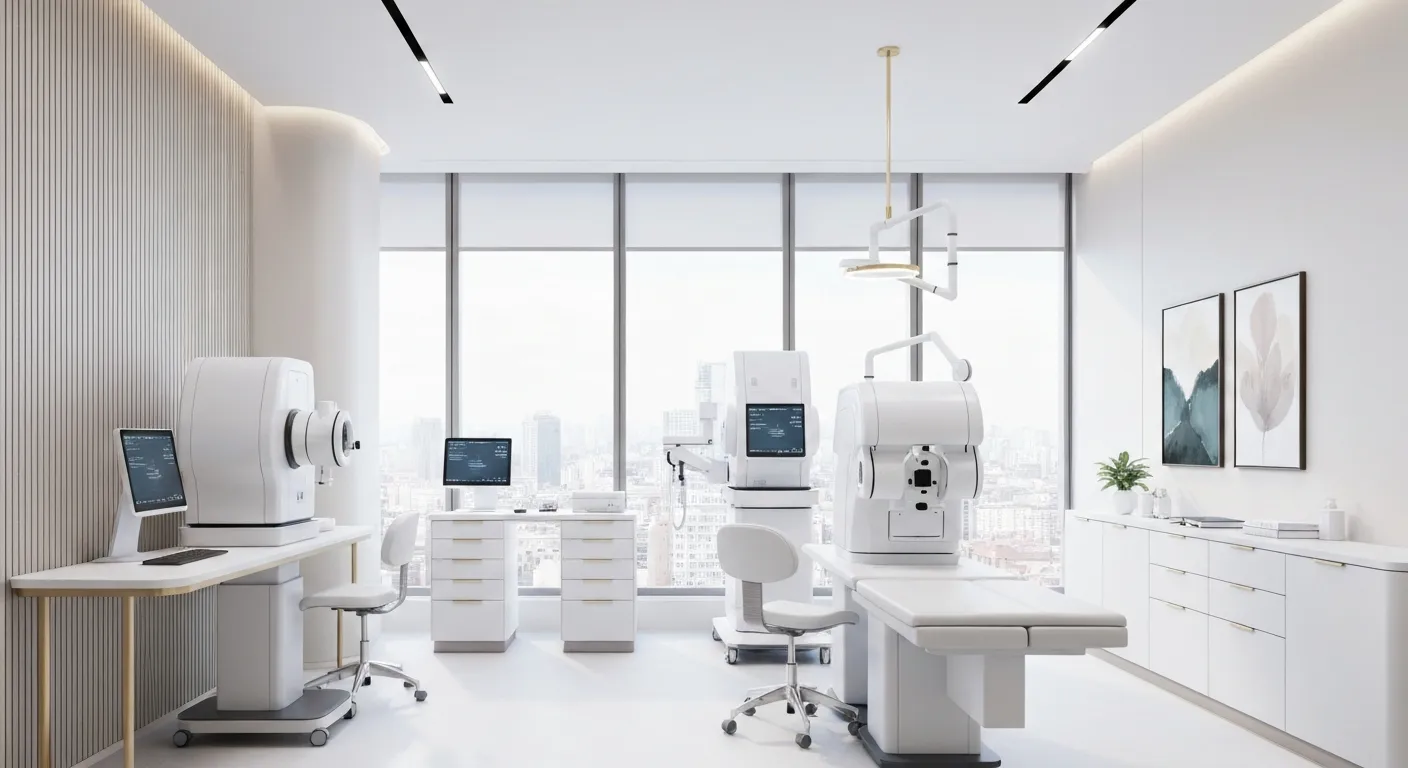
3D imaging in plastic surgery and virtual simulation technologies have transformed the way surgeons plan and execute cosmetic procedures. These tools allow both surgeons and patients to visualize potential outcomes from multiple angles before surgery, making it easier to set realistic expectations. By manipulating a patient’s 3D model, surgeons can fine-tune their surgical approach, reducing the likelihood of revisions and enhancing personalized care.
Robotic-assisted surgery introduces enhanced precision through controlled, small instrument movements, contributing to safer and more accurate procedures. Although still limited in plastic surgery, this technology is gaining attention for its potential to improve complex cases. Additionally, real-time monitoring devices during surgery track vital signs and blood flow, enabling surgeons to respond immediately to any changes, which significantly boosts patient safety.
Motiva breast implants 2024 represent a significant leap forward in implant technology. Designed to mimic natural breast tissue, these implants reduce common complications such as capsular contracture prevention. Their technological design enhances both the feel and appearance, aligning with the broader trend toward natural aesthetics in plastic surgery.
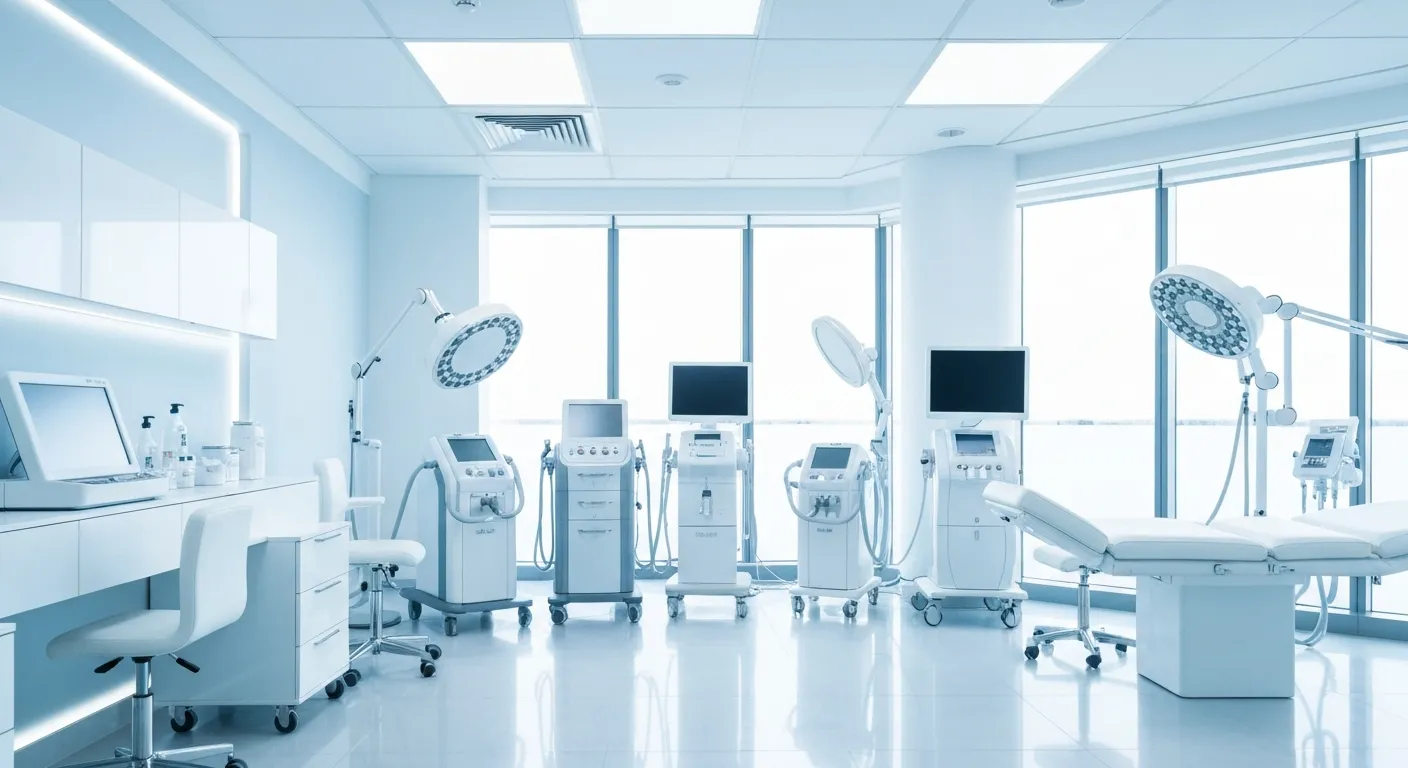
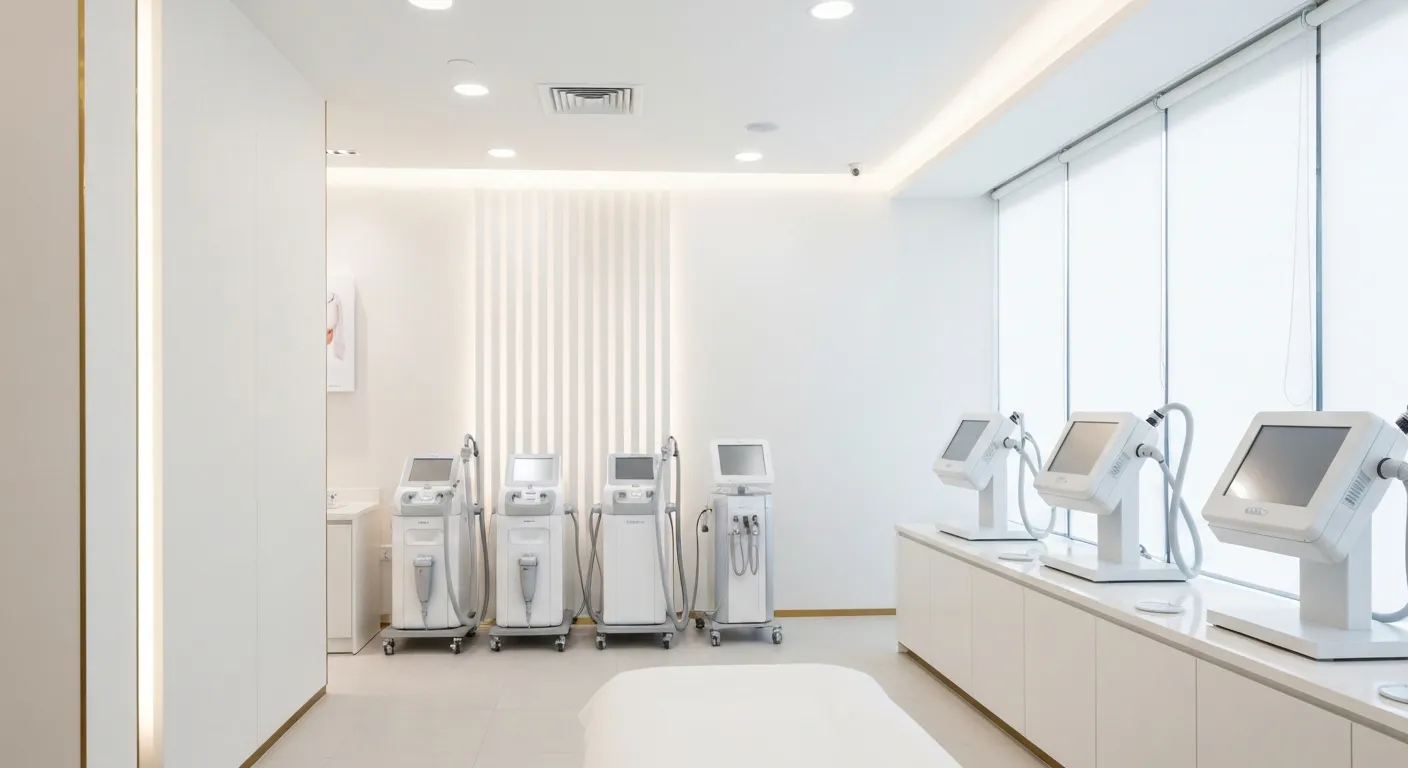
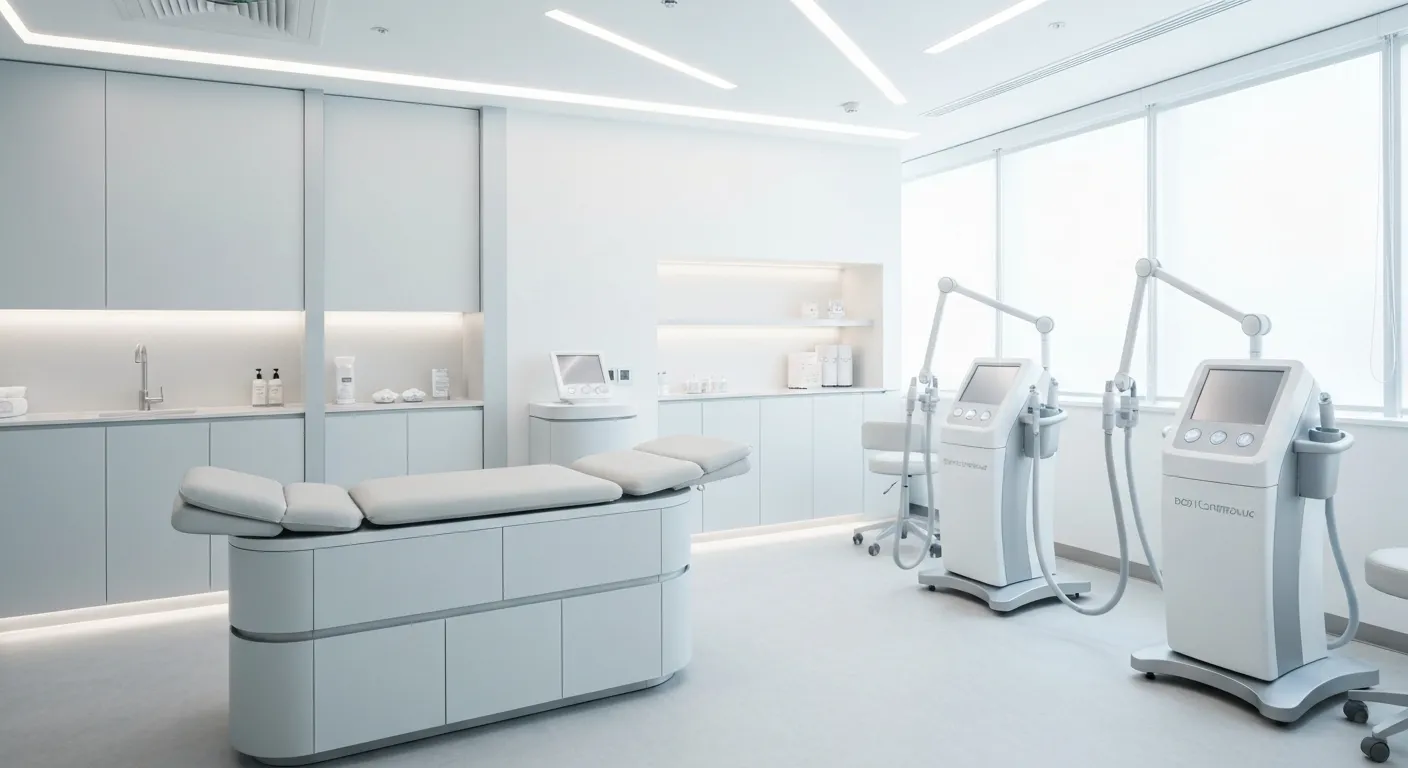
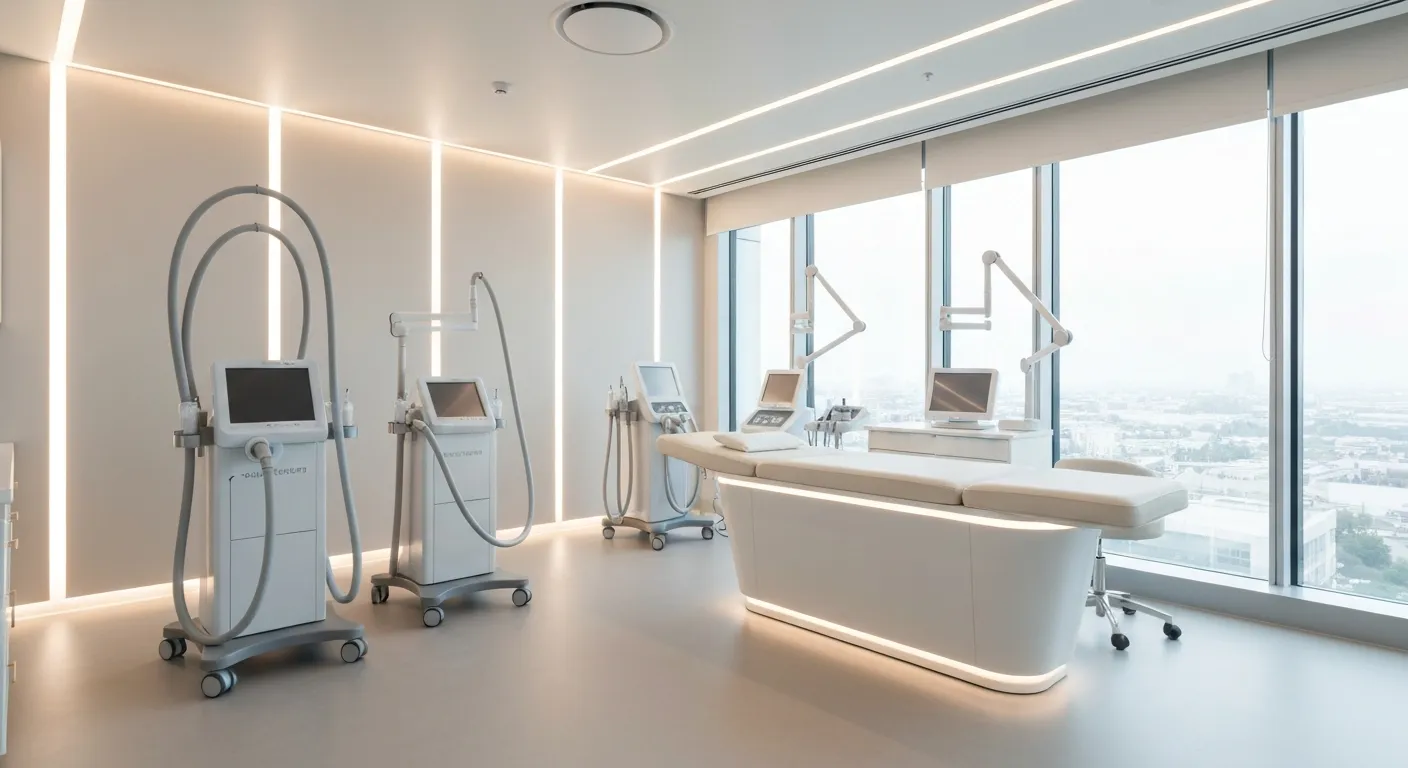
Laser and energy-based devices in cosmetic dermatology, including ultrasonic-assisted liposuction and laser-assisted liposuction advances, offer less invasive options for body contouring and skin treatments. These technologies enable targeted fat removal with reduced recovery times and discomfort. Other devices, such as radiofrequency microneedling and fractional laser protocols, stimulate collagen production, improve skin texture, and address aging concerns with minimal downtime.
Overall, these technological advances support safer procedures with precise, natural-looking cosmetic results while shortening recovery periods and expanding treatment options.
| Technology | Purpose | Benefit |
|---|---|---|
| 3D Imaging & Virtual Simulation | Surgical planning & visualization | Personalized outcomes, fewer revisions |
| Robotic-Assisted Surgery & Monitoring | Precision surgery & safety | Enhanced accuracy & immediate response |
| Motiva Breast Implants | Breast augmentation | Natural feel, fewer complications |
| Laser & Energy-Based Devices | Body contouring & skin rejuvenation | Minimally invasive, faster recovery |
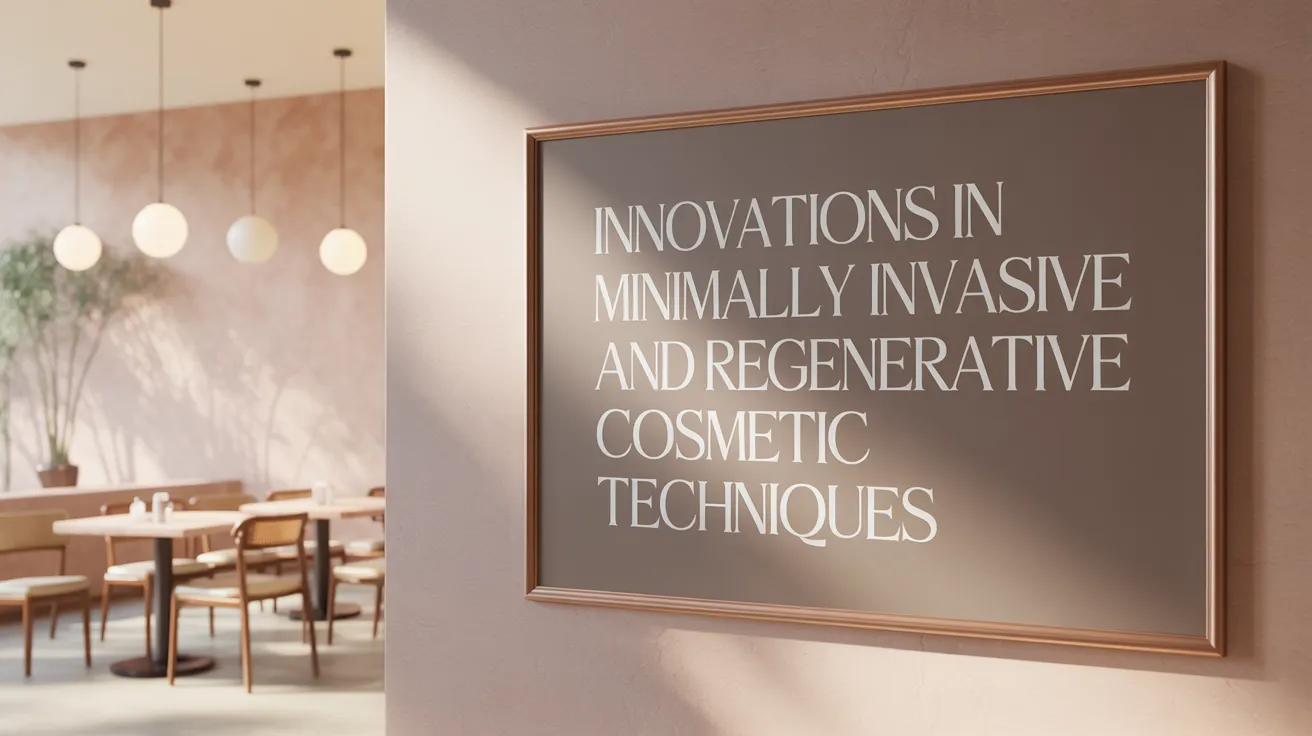
Biostimulants such as Radiesse Plus, Sculptra, and Rejuran skin treatment play a significant role in stimulating the body's natural production of collagen. These treatments provide Long-lasting Facial Rejuvenation by improving skin elasticity and radiance. Rejuran is gaining traction globally for boosting skin health, and it may soon enter wider markets, including the U.S.
Thread lifts use Dissolvable Sutures for Lifting inserted under the skin to mechanically lift sagging areas. They stimulate collagen production, resulting in firmer, tighter skin with minimal downtime. Other Non-surgical Skin Tightening options employ technologies such as radiofrequency, ultrasound, and plasma energy to stimulate collagen and elastin, delivering subtle rejuvenation without surgery.
Regenerative medicine leverages the body's own healing capabilities. Techniques include Platelet-rich plasma (PRP) treatments, Stem cell therapy for cosmetic enhancement, and Fat Grafting. PRP and stem cells promote tissue repair and skin rejuvenation, while fat grafting restores natural volume using the patient’s own fat cells. These methods help minimize adverse reactions and offer natural-looking, long-lasting results.
Cryotherapy methods like CoolSculpting utilize controlled freezing to target and eliminate stubborn fat cells non-surgically. These procedures use customizable applicators suited for various body areas, leading to body contouring with no incisions, reduced recovery time, and minimal discomfort. This approach aligns with the growing demand for Minimally Invasive Cosmetic Options.
Technological innovation in minimally invasive and regenerative treatments continues to expand options for patients seeking natural, safe, and effective aesthetic enhancements with less downtime and more personalized care.
Rib modeling has become a popular technique in 2025 for achieving a slimmer waistline without the invasiveness of traditional less invasive rib removal alternative. This procedure carefully sculpts the ribs to narrow the waist, aligning with the growing preference for subtle yet effective body contouring procedures 2025 methods. It offers patients a toned, sculpted torso while minimizing surgical risks and recovery time.
High-definition liposuction continues to gain demand as it targets fat deposits with precision, enhancing muscle definition and overall body sculpting. Innovations in liposuction technologies, such as Ultrasonic-assisted Liposuction and Laser-assisted Liposuction methods, reduce discomfort and speed up recovery. Additionally, minimally invasive fat removal techniques like CoolSculpting use cryotherapy to eliminate stubborn fat non-surgically.
Newer body sculpting options provide less invasive and innovative alternatives. AirSculpt fat removal and AirSculpt+ technology techniques, for example, allow fat removal with immediate skin tightening, no general anesthesia, and rapid recovery. The 'Miami thong lift' is another emerging procedure focused on skin tightening and lifting the buttocks without volume increase or extensive downtime, catering to patients desiring natural results without the risks of classic Brazilian butt lifts.
The popularity of GLP-1 receptor inhibitors weight loss trend and other weight loss drugs has led to a surge in patients seeking body contouring procedures to address loose skin and refine their figures post-weight loss. This trend has boosted demand not only for liposuction and fat removal but also for skin excision surgeries like tummy tucks and arm lifts, highlighting a holistic approach to body transformation.
These innovative body contouring procedures 2025 reflect a broader movement towards natural aesthetics in plastic surgery with less invasive, precise, and technologically advanced procedures that improve patient outcomes and satisfaction.
Artificial intelligence (AI) is revolutionizing cosmetic care by enabling highly personalized treatment plans. AI algorithms analyze vast patient data, including skin condition and facial features, to tailor treatments precisely. This technology also predicts surgical outcomes, helping both surgeons and patients set realistic expectations and optimize post-operative care (Artificial intelligence in cosmetic surgery).
Advanced 3D imaging and facial analysis tools allow patients to visualize potential surgical results before undergoing procedures. These technologies create simulations from multiple angles, enhancing understanding and trust. This interactive approach leads to better-informed decisions and can reduce the need for revision surgeries.
Virtual reality (VR) and augmented reality (AR) are emerging tools for cosmetic consultations. They provide immersive, real-time visualizations of anticipated changes, improving communication between patients and practitioners. By projecting likely outcomes, these technologies help manage expectations and personalize surgical plans (Virtual and Augmented Reality in Surgery).
Digital health platforms, including teledermatology, offer convenient avenues for consultations, follow-ups, and education. These tools increase accessibility to expert care, support remote patient monitoring, and promote ongoing engagement. Mobile apps and online portals further empower patients to stay informed and involved in their treatment journey (Teledermatology and digital tools in cosmetic dermatology).
Together, AI and digital technologies enhance safety, precision, and satisfaction in cosmetic procedures, making aesthetic care more personalized and accessible than ever before.
In 2025, the cosmetic medicine field continues to prioritize subtle, natural-looking cosmetic enhancements that enhance patients' unique features without obvious signs of surgery. Patients increasingly seek 'undetectable cosmetic enhancements' that preserve their natural aesthetics in plastic surgery, favoring minimally invasive techniques and smaller devices, such as petite breast implants and gentle fat grafting. This reflects a growing preference for enhancing beauty discreetly rather than dramatic overhauls.
A notable trend involves younger individuals in their 40s and 50s choosing mini face lifts for younger patients and less invasive neck lifts to refresh their appearance and delay more comprehensive procedures. Early preventive treatments, including neurotoxins and light chemical peels, support this shift toward maintaining youthful skin with minimal downtime, highlighting evolving patient priorities toward early intervention and healthier aging.
The integration of aesthetic procedures with broader health and wellness practices is gaining traction. Many patients prefer comprehensive care combining cosmetic treatments with wellness-focused regimens that promote overall skin health and longevity. This holistic approach enhances natural beauty from within, aligning aesthetic goals with physical and mental wellbeing. For more insights on these emerging trends, see Future of Cosmetic Procedures.
Sustainability is becoming a core value in cosmetic medicine, with increasing efforts toward eco-friendly packaging in beauty industry, cruelty-free product formulations, and ethical sourcing. Industry stakeholders are mindful of environmental impact and social responsibility, ensuring advancements deliver not only effective results but also align with conscientious consumer values to foster long-term trust and care.
Technologies like 3D imaging, regenerative medicine, and advanced implants help tailor treatments to individual needs. Minimally invasive techniques such as thread lifts, ultrasonic liposuction, and biostimulants offer effective results with shorter recovery.
Patients experience less downtime and discomfort, broadening appeal and patient diversity. Non-surgical options like CoolSculpting and radiofrequency treatments complement surgical advancements for a holistic approach.
Clear communication ensures patients understand realistic outcomes and potential risks, promoting satisfaction and safety in cosmetic interventions.
Emerging treatments using stem cells and biostimulators aim to rejuvenate skin and volume naturally, while AI enhances personalized treatment planning and outcome predictions, pushing cosmetic care into a new era of precision and innovation.
Where real stories, expert insights, and little self-care secrets come together. A calm corner of the internet made for anyone who wants to feel good in their own skin - not just look good.
.jpg)
Beyond serums and lasers lies something quieter: the ritual of caring for yourself without guilt. This article explores why self-care routines matter just as much as any in-clinic procedure. Readers discover how consistent, simple choices — water, rest, boundary-setting, nourishing skin rituals — can keep results.

.jpg)
Not every treatment is about transformation — many are about returning to your natural expression. Here we break down the subtle side of aesthetics: soft hydration, micro-touches, gentle collagen boosts. It’s a guide to choosing treatments that make you look like you had a week-long vacation, not a redesign.
.jpg)
Your skin is constantly whispering clues - about stress, sleep, hormones, even the way you breathe. This article invites readers to slow down and listen. We explore how tiny changes in daily habits shape complexion, why “glow” is an inside job, and how professional treatments simply amplify what’s already possible when the body feels safe, rested, and supported.
.svg)
.svg)


.svg)