Why Integrating Self-Care Into Your Skin Routine Transforms Your Glow
.png)
Julia Buliga
December 8, 2025
Self-care involves intentional activities that support physical, mental, emotional, social, and spiritual well-being. It goes beyond occasional pampering to include regular habits like healthy eating, exercise, sleep, and stress management. Prioritizing self-care enhances wellness, resilience, and overall quality of life.
The skin is our largest organ, acting as a protective barrier against environmental hazards and reflecting internal health. Changes in skin appearance may signal conditions like allergies, infections, or even systemic health issues. Caring for skin through proper cleansing, moisturizing, and sun protection helps maintain its integrity while supporting overall health.
Regular skincare routines provide more than just physical benefits; they offer therapeutic effects as well. Engaging in these rituals promotes mindfulness, relaxation, and a sense of accomplishment. The process can trigger serotonin and dopamine release, enhancing mood and reducing stress. Moreover, improving skin appearance through consistent care can boost self-esteem and foster a positive self-image, contributing to emotional well-being.

A healthy skincare routine generally involves three vital steps: cleansing, moisturizing, and sun protection. Cleansing removes dirt, oil, and impurities to prevent clogged pores and maintain a fresh complexion. Moisturizing helps maintain skin hydration, supporting elasticity and preventing dryness. Finally, daily application of broad-spectrum sunscreen with at least SPF 30 protects the skin from harmful UV rays that cause premature aging and skin cancer.
Tailoring skincare routines to individual skin types enhances their effectiveness. For example, dry skin benefits from mild, alcohol-free cleansers and richer moisturizers, while oily skin requires cleansing products that manage excess oil and lighter hydration. Using products matched to your skin type helps address specific concerns like acne, sensitivity, or dryness, promoting healthier and more comfortable skin.
Consistency in following a skincare routine is key to achieving visible benefits like improved texture and reduced signs of aging. Using scientifically supported products with ingredients such as hyaluronic acid, retinoids, and antioxidants ensures your skin receives effective nourishment and protection. Applying these products regularly supports skin repair, boosts hydration, and helps maintain a strong skin barrier.
Establishing and maintaining a simple, tailored skincare routine can greatly contribute to healthy, radiant skin and overall well-being.
A healthy diet rich in fruits, vegetables, whole grains, lean proteins, and healthy fats provides essential nutrients like antioxidants, vitamins C and E, omega-3 fatty acids, and zinc. These components help fight free radicals, support collagen production, reduce inflammation, and promote skin repair for a radiant complexion. Avoiding processed foods and excessive sugar benefits skin by lowering the risk of acne and premature aging. For more, see The Role of Diet in Healthy Skin.
Drinking plenty of water keeps the skin hydrated by maintaining moisture levels. Proper hydration supports skin elasticity and flushes out toxins that can cause dryness or dullness. Fruits and vegetables with high water content also contribute to skin hydration. Learn more at Healthy habits for glowing skin.
Getting 7–9 hours of quality sleep allows the skin to repair and regenerate, reducing dark circles and dullness. Managing stress through mindfulness, meditation, or relaxing activities lowers cortisol levels, preventing inflammation-related skin issues such as acne or sensitivity. Regular exercise improves blood circulation, delivering oxygen and nutrients to skin cells, resulting in a healthier glow. Discover additional insights on Self-care and skin health.
Together, a balanced diet, good hydration, restful sleep, effective stress control, and physical activity form the foundation of healthy, glowing skin that reflects overall well-being.
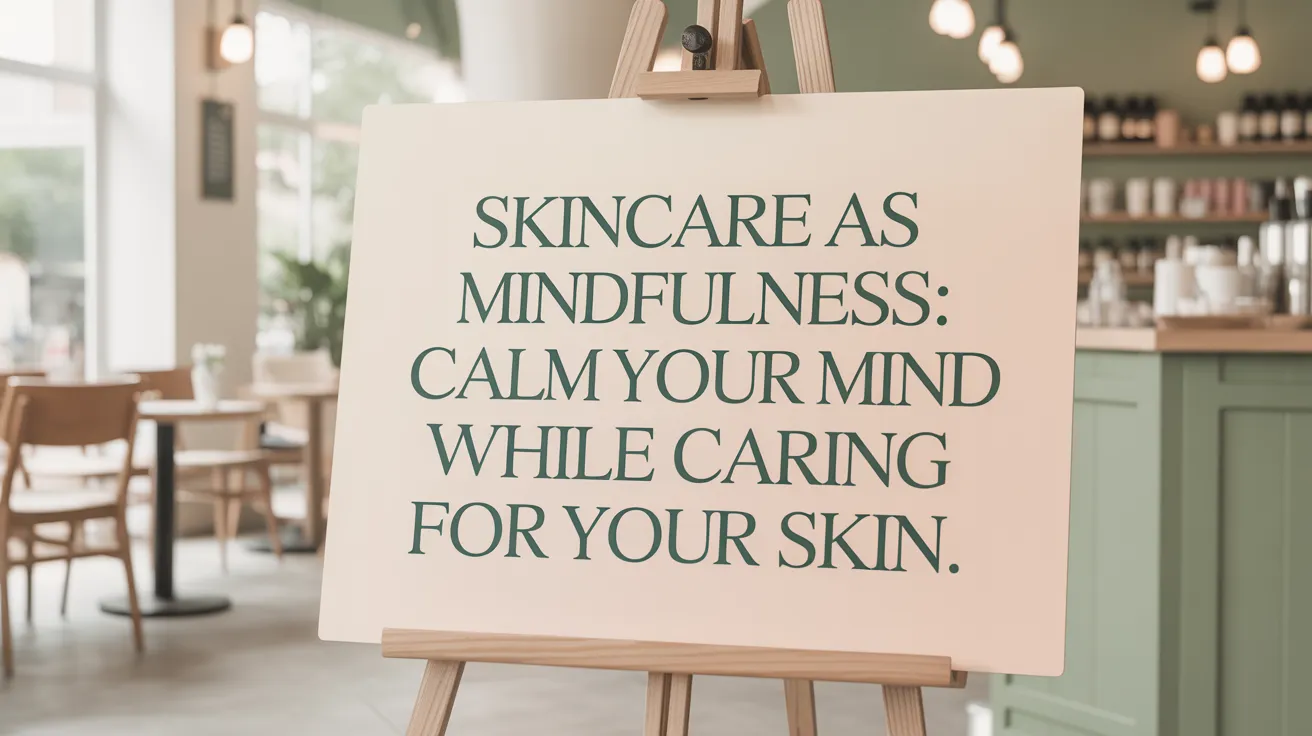
Skincare routines offer more than physical benefits; they act as intentional moments of Skincare as mindfulness ritual and relaxation. Engaging with the textures, scents, and gentle motions involved—such as cleansing, moisturizing, or applying a face mask—helps individuals focus on the present moment. This sensory awareness reduces stress and creates a calming routine that nurtures Emotional health and skincare.
Participating in skincare rituals stimulates the release of neurotransmitters like serotonin and dopamine, often dubbed "skincare and happy hormones." These chemicals boost mood, reduce anxiety, and promote feelings of wellbeing. The act of caring for one’s skin signals self-love and respect, fostering a positive mental state.
Consistent skincare routines contribute to emotional wellness by providing structure and a sense of accomplishment. Visible improvements like brighter, clearer skin enhance self-esteem and foster confident self-image. Furthermore, these routines act as Self-care for mental health practices that validate personal worth, helping to buffer stress and emotional challenges.
In summary, Skin Care is Self Care with therapeutic effects that extend beyond skin health—it actively supports mental and emotional well-being through mindfulness, hormonal responses, and confidence-boosting outcomes.
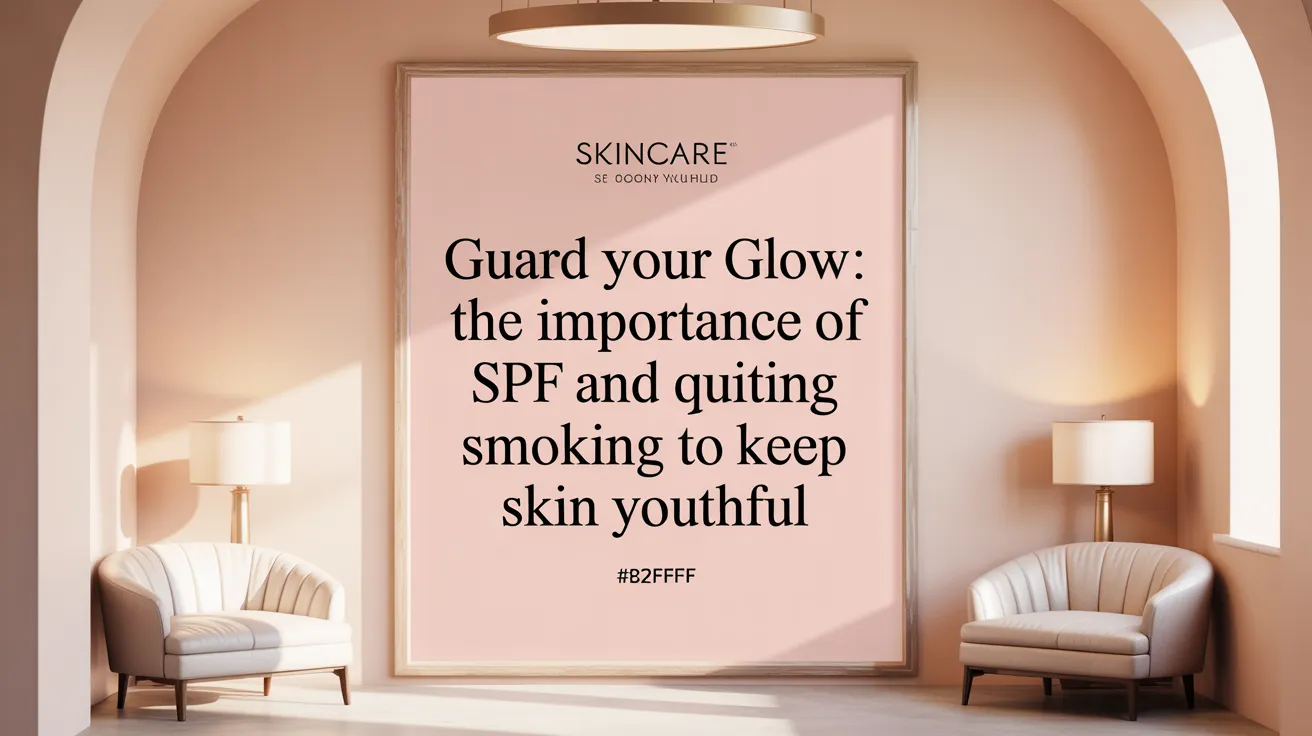
Protecting your skin from the sun's harmful ultraviolet (UV) rays is crucial to maintain skin health and prevent premature aging. Using a broad-spectrum sunscreen with SPF 30 or higher shields against both UVA and UVB rays. These harmful rays contribute to wrinkles, age spots, sunburns, and increase the risk of skin cancer. Experts recommend applying sunscreen generously and reapplying every two hours, especially during prolonged outdoor exposure or sweating.
Smoking significantly damages the skin by narrowing blood vessels, which reduces oxygen and nutrient delivery. This leads to accelerated skin aging, increased wrinkles, and a dull complexion. Moreover, smoking heightens the risk of developing squamous cell skin cancer, particularly on the lips. Benefits of quitting smoking for skin include preserving collagen and elastin, which are essential for firmness and elasticity.
In addition to sunscreen and quitting smoking, protecting skin from other environmental aggressors is vital. This includes avoiding excessive sun exposure during peak hours, wearing protective clothing, and practicing gentle skin care routines to maintain the skin’s barrier. Limiting exposure to pollutants and using moisturizers helps prevent dryness and irritation, supporting skin longevity and overall health.

Professional dermatology care is crucial for creating tailored skincare routines that address individual skin types and concerns. Dermatologists assess skin health, diagnose conditions like acne, eczema, psoriasis, or early signs of skin cancer, and recommend personalized treatments. Regular check-ups enable early detection of skin abnormalities and prevent complications, contributing to healthier skin and overall well-being (dermatologist check-ups, skin conditions treatment, professional dermatology treatments, early detection of skin cancer).
Facials and exfoliation are popular advanced skincare practices that promote skin health and rejuvenation. Facials provide cleansing, hydration, and relaxation, which can improve mental wellness by reducing stress (facials and self-care benefits, facials for mental wellness). Exfoliation removes dead skin cells, improves texture, and enhances product absorption. Professional treatments like chemical peels, laser therapy, and microneedling offer targeted solutions to reduce wrinkles, pigmentation, and acne scars, supporting anti-aging and radiant skin (Benefits of Regular Skin Care Routines, Professional skin treatments).
In addition to basic routines, targeted skincare products such as retinoids, antioxidants, peptides, and serums are used to manage specific concerns like fine lines, dullness, hyperpigmentation, and acne. Applying these products in the correct order and frequency maximizes their effectiveness. Dermatologist guidance ensures safe use and helps in selecting appropriate ingredients for skin needs, enhancing treatment outcomes and skin appearance (Consulting dermatologist Dr. Marisa Garshick, serums for nutrients and antioxidants, Retinoids for night routine).
Where real stories, expert insights, and little self-care secrets come together. A calm corner of the internet made for anyone who wants to feel good in their own skin - not just look good.
.jpg)
Beyond serums and lasers lies something quieter: the ritual of caring for yourself without guilt. This article explores why self-care routines matter just as much as any in-clinic procedure. Readers discover how consistent, simple choices — water, rest, boundary-setting, nourishing skin rituals — can keep results.

.jpg)
Not every treatment is about transformation — many are about returning to your natural expression. Here we break down the subtle side of aesthetics: soft hydration, micro-touches, gentle collagen boosts. It’s a guide to choosing treatments that make you look like you had a week-long vacation, not a redesign.
.jpg)
Your skin is constantly whispering clues - about stress, sleep, hormones, even the way you breathe. This article invites readers to slow down and listen. We explore how tiny changes in daily habits shape complexion, why “glow” is an inside job, and how professional treatments simply amplify what’s already possible when the body feels safe, rested, and supported.
.svg)
.svg)


.svg)