Revolutionizing Beauty: Cutting-Edge Innovations in Non-Surgical Aesthetic Care
.png)
Julia Buliga
December 8, 2025
In recent years, non-surgical aesthetic treatments have become a cornerstone of cosmetic dermatology. These procedures include Botox and other neuromodulators, dermal fillers, laser resurfacing, microneedling, and advanced radiofrequency therapies. They aim to reduce wrinkles, restore volume, improve skin texture, and rejuvenate the face and body without surgery.
The demand for these treatments is rising steadily worldwide. Millions seek non-invasive options due to their convenience, reduced recovery times, and effectiveness. Increasingly, men are also engaging in aesthetic procedures, broadening the patient demographic. Preventative treatments among younger individuals highlight a trend towards maintaining youthful skin before visible aging.
What sets modern non-surgical aesthetics apart is their minimally invasive approach that promotes natural-looking enhancements. Techniques focus on subtle corrections, facial harmony, and skin health rather than dramatic changes. Combination therapies and personalized treatments maximize benefits while minimizing downtime and risks, making these procedures accessible and appealing to many.

Botox for dynamic wrinkles and similar neuromodulators like Dysport and Jeuveau effectively relax muscles to reduce dynamic wrinkles such as crow’s feet, forehead lines, and glabellar lines. Beyond wrinkle reduction, advanced Botox for dynamic wrinkles applications include facial shaping techniques like jawline slimming through masseter injections, nose slimming, and neck rejuvenation such as the Nefertiti lift. These treatments also address functional concerns like TMJ pain and excessive sweating, offering versatile benefits.
Hyaluronic acid fillers remain the standard for restoring volume, smoothing static wrinkles, plumping lips, and enhancing cheekbones with a natural appearance. Restylane, Juvederm, and Radiesse fillers go beyond volume replacement by promoting collagen production, enhancing skin firmness and elasticity over time. These fillers provide gradual, long-lasting results that improve skin texture and vitality.
The latest formulations of neurotoxins and fillers enable longer-lasting effects—Botox for dynamic wrinkles typically lasts 3-4 months, while some next-generation fillers can last up to two years. The focus is on Natural-looking cosmetic results that maintain facial expressiveness. Microdosing strategies, such as Baby Botox, carefully modulate doses to smooth fine lines without freezing movement, supporting subtle, youthful results.
Preventative aesthetics trend, often started by younger individuals, aim to delay the formation of deeper wrinkles by gently relaxing muscles before pronounced lines develop. Microdosing offers a refined approach with low-dose injections for Maintaining skin health early and appearance, avoiding an overdone look.
Combining botulinum toxins with Dermal fillers for volume restoration allows for holistic facial rejuvenation—muscle relaxation paired with volume restoration and contour refinement yields comprehensive, balanced outcomes. Additionally, injectables are frequently integrated with other modalities like PRP, Microneedling with Dermapen, and Laser skin resurfacing benefits, maximizing skin renewal and collagen stimulation while minimizing downtime.
Together, these evolving injectable techniques offer safe, Personalized cosmetic treatments and effective options for non-surgical facial enhancement, prioritizing Natural-looking cosmetic results with long-term benefits.
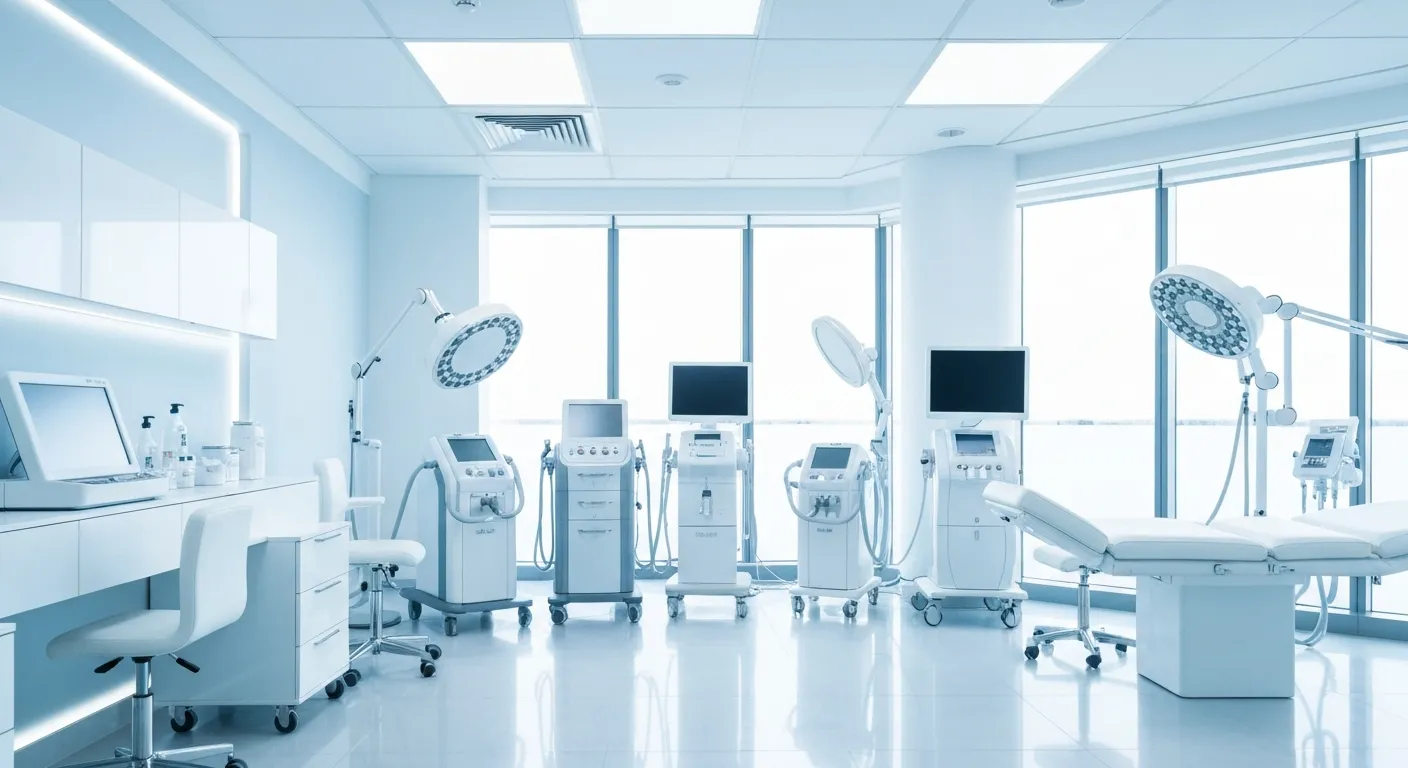
Laser skin resurfacing remains a cornerstone in treating damaged skin layers and improving texture. CO2 laser resurfacing effectively removes outer damaged layers, addressing wrinkles, scars, uneven tone, and sun damage. Fractional lasers, including FDA-cleared fractional devices, target micro-areas to stimulate collagen while minimizing tissue damage, resulting in shorter downtime.
Radiofrequency (RF) therapies deliver heat to the deep layers of skin, stimulating collagen and elastin production for firmer, smoother skin. Ultrasound technology complements this by inducing tissue tightening through focused energy. Future advancements in 2026 promise stronger RF and ultrasound devices that enhance collagen synthesis, making treatments safer and more effective across various skin types.
Microneedling itself creates micro-injuries that trigger collagen synthesis, improving skin texture, tone, and reducing scars with minimal downtime. When combined with radiofrequency (e.g., Morpheus8, Vivace, Secret RF), the effect is amplified, enhancing skin tightening and wrinkle reduction. Adding platelet-rich plasma (PRP) can further boost healing and rejuvenation results.
Innovative technologies like triLift and EMFACE devices blend radiofrequency heating with targeted muscle stimulation to tone facial muscles and improve skin quality. These device-driven treatments offer natural-looking lifts and skin rejuvenation, serving as non-invasive alternatives to injectables and surgery.
Technological improvements in laser and RF devices aim for precision and lower thermal injury, reducing recovery time and side effects. Devices are increasingly tailored to accommodate various skin tones safely, widening accessibility. Additionally, AI-assisted diagnostics and customized protocols enhance treatment safety and efficacy.
This combination of advanced laser, RF, ultrasound, and microneedling technologies is revolutionizing non-surgical skin rejuvenation, offering natural, long-lasting, and safe improvements with minimal downtime.
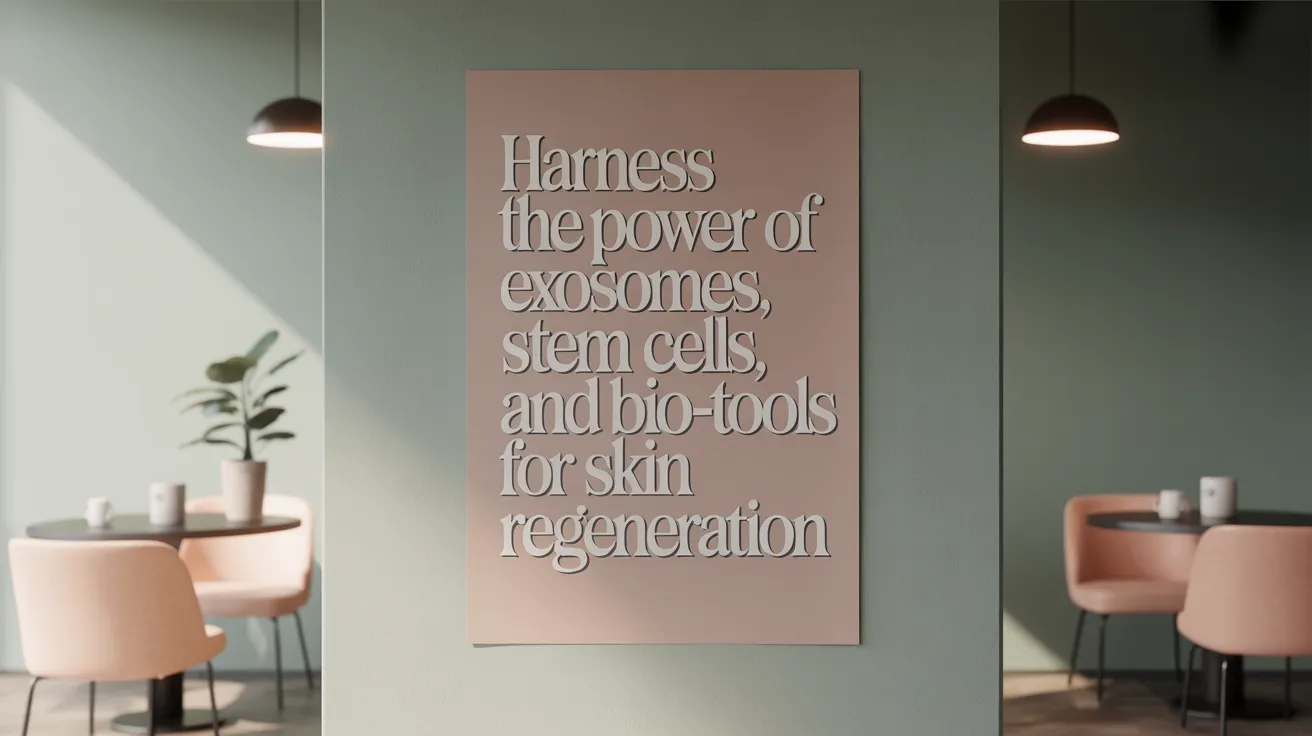
Exosomes, small extracellular vesicles rich in growth factors and proteins, have emerged as powerful agents for skin regeneration. They promote cellular repair, improve skin texture, and reduce fine lines by stimulating collagen synthesis and cellular regeneration with exosomes. Applied topically or via injection, exosome therapy supports tissue healing with minimal downtime. For more information, see Exosomes and Stem Cell Therapies.
Stem cell-based treatments utilize preserved hair follicle stem cells and other regenerative cells to promote hair growth and skin rejuvenation. These therapies aim to restore damaged skin structures and enhance hair follicle repair, offering promising results in hair restoration and anti-aging care. Learn more about stem cell therapies for hair restoration and Regenerative dermatology treatments.
Injectables such as Sculptra and Radiesse fillers not only add volume but also stimulate the body's natural collagen production. These bio-stimulatory fillers improve skin firmness and elasticity over time, providing gradual, natural-looking improvements. Additionally, platelet-rich plasma (PRP) and advanced microneedling with radiofrequency further catalyze collagen remodeling and tissue repair. For detailed insights, see Biostimulatory fillers.
Biotechnology in cosmetic dermatology includes the use of bioengineered growth factors, peptides, and stem-cell derived products to enhance skin regeneration. Advanced biomaterials like hyaluronic acid, collagen scaffolds, and hydrogels are integral in modern filler formulations and regenerative procedures. Discover the Innovations in Cosmetic Dermatology and detailed information on tissue engineering in cosmetics.
Current clinical investigations focus on optimizing regenerative therapies like exosomes, stem cells, and PRP to maximize safety and efficacy. Emerging innovations—such as combining these therapies with AI in personalized cosmetic dermatology guided treatment planning—promise personalized regenerative care. Although still evolving, these advances herald a transformative future in cosmetic dermatology, emphasizing natural rejuvenation through biological restoration. More on future non-invasive skin tightening treatments.

Artificial intelligence (AI) greatly enhances precision in cosmetic dermatology by analyzing vast clinical and imaging data. AI-powered diagnostics enable more accurate identification of skin conditions and aging patterns. This data-driven approach supports clinicians in crafting personalized cosmetic treatment plans optimizing outcomes for each patient.
3D facial imaging technology creates detailed images of a patient's face, allowing for highly customized treatment strategies. These systems simulate potential treatment results, helping patients visualize aesthetic changes before procedures, which improves satisfaction and decision-making.
Personalized regimens consider individual skin type, texture, anatomy, and aging signs. Combining AI insights with expert analysis, practitioners can recommend specific interventions, balancing injectables, laser therapies, and energy-based rejuvenation devices tailored for natural-looking cosmetic results, harmonious results.
Virtual consultations utilize teledermatology and virtual consultations platforms and mobile applications, facilitating remote assessments and continuous skin monitoring. These tools enrich patient education and enable practitioners to track progress in real time, ensuring timely adjustments to treatment plans.
While AI-supported personalization enhances care, practitioners must navigate privacy concerns and avoid unrealistic expectations influenced by social media influence on patient expectations. Emphasizing transparent communication and shared decision-making promotes patient autonomy and realistic aesthetic goals.

Preventative aesthetics involves starting treatments early, often in a person's 20s or 30s, to delay signs of aging before they become pronounced. Younger patients seek subtle, natural approaches such as light Botox for dynamic wrinkles, known as "Baby Botox," to maintain skin health. This early intervention supports long-term Skin wellness and vitality rather than dramatic corrections later in life.
Combining treatments like Botox for dynamic wrinkles, Dermal fillers for volume restoration, Microneedling with RF and laser resurfacing, and Laser skin resurfacing benefits offers comprehensive skin rejuvenation. These packages target wrinkles, volume loss, texture, and pigmentation simultaneously, accelerating results and minimizing downtime. Personalization is key—treatment plans are tailored to an individual’s anatomy and aging pattern for balanced, natural outcomes.
Newer technologies utilize cooling, heating, sound waves, and radiofrequency to break down fat without surgery. Techniques like cryolipolysis (CoolSculpting), ultrasound-based fat disruption, and RF tightening allow precise body contouring with minimal or no recovery time. Future enhancements promise even safer, faster, and more comfortable procedures suitable for diverse body types.
The increasing diversity of patients demands treatments safe for various skin tones and types. Researchers and clinicians emphasize evidence-based protocols, practitioner training, and treatment standardization to reduce risks like vascular occlusion and infection. Ethical considerations also include preventing over-treatment and providing culturally sensitive care, consistent with themes in Innovations in Cosmetic Dermatology and Safety in anti-aging procedures.
Patients now favor enhancements that maintain facial expressions and harmony rather than dramatic changes. Bio-stimulatory fillers such as Sculptra and Radiesse fillers promote collagen production for gradual, natural volume restoration. Micro-dosing neuromodulators preserves movement, and AI-guided treatments personalize care, offering sustainable results aligned with patient well-being.
The future of non-surgical aesthetics is marked by cutting-edge technologies such as advanced radiofrequency, ultrasound, and laser systems that boost collagen and elastin production. Treatments like microneedling combined with radiofrequency, exosome therapies, and AI-guided facials promise more precise, effective, and natural-looking skin rejuvenation.
Modern aesthetic medicine focuses on personalized treatment plans tailored to unique anatomy, preferences, and skin health. AI and digital tools enhance diagnosis and customization, ensuring patient education and shared decision-making remain central.
There is a continuous emphasis on safety, minimal invasiveness, and subtle enhancements that preserve facial expressiveness. Innovations promote natural outcomes and long-term skin vitality.
Patients are encouraged to seek qualified practitioners who prioritize education, cultural sensitivity, and ethical care, empowering individuals to make informed, personalized decisions for their aesthetic goals.
Where real stories, expert insights, and little self-care secrets come together. A calm corner of the internet made for anyone who wants to feel good in their own skin - not just look good.
.jpg)
Beyond serums and lasers lies something quieter: the ritual of caring for yourself without guilt. This article explores why self-care routines matter just as much as any in-clinic procedure. Readers discover how consistent, simple choices — water, rest, boundary-setting, nourishing skin rituals — can keep results.

.jpg)
Not every treatment is about transformation — many are about returning to your natural expression. Here we break down the subtle side of aesthetics: soft hydration, micro-touches, gentle collagen boosts. It’s a guide to choosing treatments that make you look like you had a week-long vacation, not a redesign.
.jpg)
Your skin is constantly whispering clues - about stress, sleep, hormones, even the way you breathe. This article invites readers to slow down and listen. We explore how tiny changes in daily habits shape complexion, why “glow” is an inside job, and how professional treatments simply amplify what’s already possible when the body feels safe, rested, and supported.
.svg)
.svg)


.svg)